Thursday, 21 November 2024
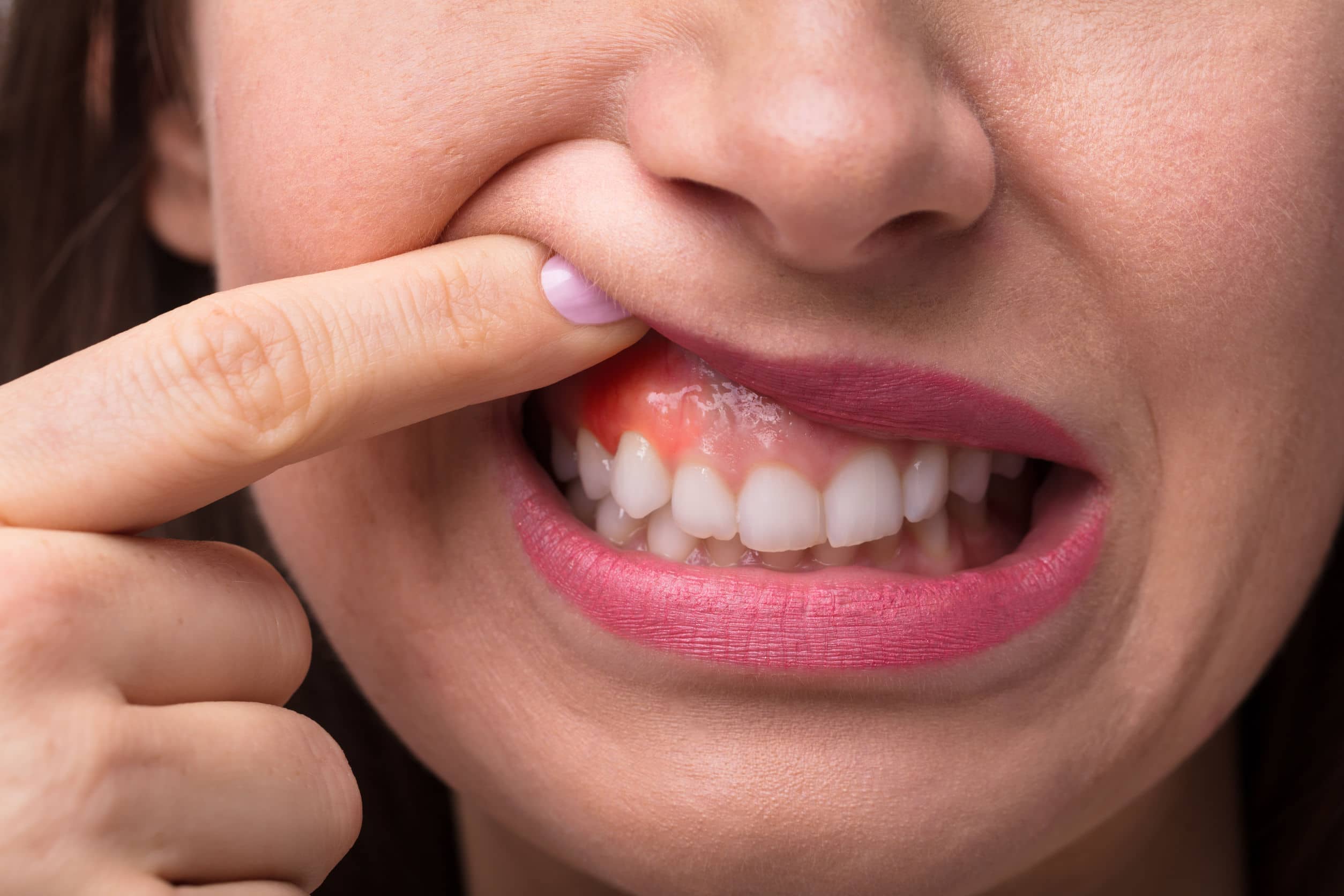
Top Natural Solutions for Inflamed Gums and Gum Sensitivity
Top Natural Solutions for Inflamed Gums and Gum Sensitivity
Hey there! So, you're dealing with inflamed gums and sensitivity? Ugh, I know how uncomfortable that can be. Brushing and flossing suddenly become a painful chore, and even enjoying your favorite foods feels…off. Don't worry, you're not alone! Many people experience this, and thankfully, there are some fantastic natural solutions that can offer significant relief. Let's dive into some options you can try at home.Understanding the Root of the Problem
Before we jump into the solutions, let's briefly talk about *why* your gums might be inflamed and sensitive. It's often a sign of gingivitis, the early stage of gum disease. Gingivitis is usually caused by plaque buildup â€" that sticky film of bacteria that forms on your teeth. If not properly removed, plaque produces toxins that irritate your gums, leading to inflammation, redness, swelling, and bleeding. Other factors can contribute too, such as:- Poor oral hygiene
- Hormonal changes (like pregnancy)
- Certain medications
- Smoking
- Genetics
- Systemic diseases (like diabetes)
Natural Remedies for Soothed Gums
Now, let's get to the good stuff â€" the natural solutions that can help soothe those irritated gums!1. Saltwater Rinse: The OG of Gum Remedies
This is a classic for a reason! Saltwater rinses are incredibly effective at reducing inflammation and killing bacteria. The salt helps draw out excess fluid from the inflamed tissues, reducing swelling. To do this, simply mix 1/2 to 3/4 teaspoon of salt in 8 ounces of warm water. Swish it around your mouth for about 30-60 seconds, then spit it out. Do this a couple of times a day. It's simple, inexpensive, and surprisingly effective.2. Aloe Vera: Nature's Soothing Gel
Aloe vera is known for its amazing soothing and anti-inflammatory properties. You can apply pure aloe vera gel directly to your gums. Just make sure you're using 100% pure aloe vera gel and not a product with added ingredients that could irritate your gums further. Look for products with a high percentage of aloe vera (around 99% or higher).3. Tea Tree Oil: A Powerful Antibacterial Agent
Tea tree oil has strong antibacterial and anti-inflammatory properties, making it a potential ally in the fight against gum inflammation. However, it's crucial to dilute tea tree oil before using it in your mouth. Never apply undiluted tea tree oil directly to your gums! A safe approach is to mix a few drops of tea tree oil with a tablespoon of coconut oil or another carrier oil, and gently apply it to the affected areas using a cotton swab. A little goes a long way! Remember to always test a small area first to check for any allergic reactions.4. Clove Oil: Ancient Remedy for Toothaches and Gum Pain
Clove oil is another ancient remedy that’s been used for centuries to relieve toothaches and gum pain. It contains eugenol, a natural anesthetic and anti-inflammatory compound. Similar to tea tree oil, dilute clove oil before using it. Mix a few drops with a carrier oil and apply it with a cotton swab.5. Turmeric: The Golden Spice with Healing Power
Turmeric boasts powerful anti-inflammatory properties thanks to its curcumin content. You can make a turmeric paste by mixing turmeric powder with a little bit of water to form a paste. Gently apply this paste to your gums and let it sit for a few minutes before rinsing your mouth. You can also add a pinch of turmeric to your food for added anti-inflammatory benefits.6. Green Tea: A Sip to Soothe
Green tea contains antioxidants that can help fight inflammation. While you can't directly apply green tea to your gums, sipping on green tea throughout the day may provide some indirect benefits. It’s important to note that the benefits are subtle and green tea should not be a replacement for other treatments.7. Essential Oils: A word of Caution
While essential oils like tea tree and clove can be helpful, it’s extremely important to dilute them properly and use them with caution. Always conduct a patch test before applying them to your gums. If you experience any irritation or allergic reaction, stop use immediately. And remember, these oils are not a substitute for professional dental care.Improving Your Oral Hygiene
Beyond these natural remedies, improving your oral hygiene routine is key to preventing and managing gum inflammation.- Brush twice a day: Use a soft-bristled toothbrush and gentle, circular motions.
- Floss daily: This removes plaque and food particles from between your teeth where your toothbrush can't reach.
- Use a fluoride toothpaste: Fluoride strengthens your teeth and helps protect against cavities.
- See your dentist regularly: Professional cleanings are vital for removing plaque and tartar buildup.
- Quit smoking: Smoking significantly increases your risk of gum disease.
Frequently Asked Questions
Q: How long does it take to see results from these natural remedies? A: You might see some improvement within a few days, but it often takes consistent use for a week or two to notice significant changes. Q: Can I use these remedies if I'm pregnant or breastfeeding? A: It’s best to consult your doctor or dentist before using any new remedies, especially during pregnancy or breastfeeding. Some essential oils are not recommended during these times. Q: Are there any interactions between these remedies and my medications? A: While these are natural remedies, they can still interact with certain medications. Talk to your doctor or dentist if you have any concerns. Q: What if my gum inflammation doesn't improve? A: If your gum inflammation persists or worsens despite using these remedies and maintaining good oral hygiene, schedule an appointment with your dentist immediately. It's essential to rule out any serious underlying conditions. Q: Can I use these remedies in conjunction with prescribed medications from my dentist? A: It's always best to speak to your dentist. They can help determine if using natural remedies alongside any medication they have prescribed is appropriate. They might suggest combining the two for better results or advise against it depending on your specific case. Remember, taking care of your gums is crucial for your overall oral health. By combining these natural remedies with a solid oral hygiene routine and regular dental checkups, you can keep your gums healthy and happy! And if you have any questions or concerns, remember to always reach out to your dentist â€" they're your best resource for all things oral health.
Subscribe to:
Post Comments (Atom)
0 comments:
Post a Comment
Note: only a member of this blog may post a comment.