Friday, 22 November 2024
The Importance of Addressing White Gums Early for Better Health
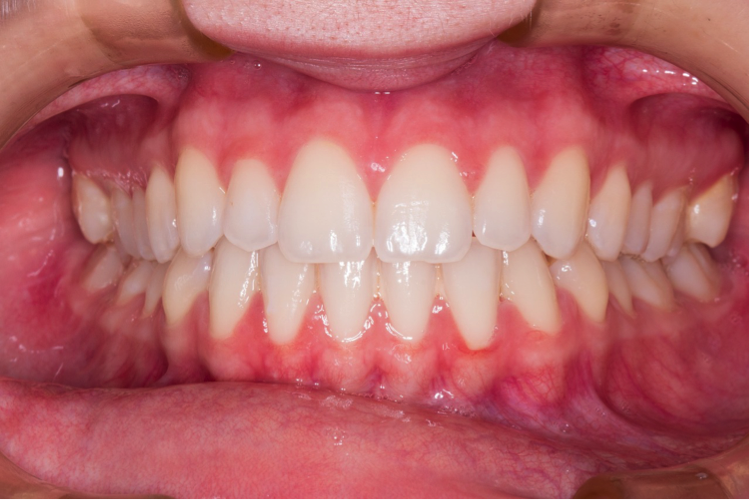
The Importance of Addressing White Gums Early for Better Health
The appearance of white gums, a condition often overlooked in the realm of oral health, can signify a range of underlying issues, some of which can have significant implications for overall well-being. While often dismissed as a mere cosmetic concern, the presence of white patches, discolorations, or areas of apparent gum recession should prompt immediate professional evaluation. Early intervention is crucial in mitigating potential complications and ensuring optimal oral and systemic health. This article explores the diverse etiologies of white gums, the potential implications for oral and general health, and emphasizes the importance of prompt diagnosis and management.
Understanding the Etiology of White Gums
The whitening of the gums, medically termed leukoplakia when referring to white patches on mucous membranes, isn't a singular condition but rather a symptom reflecting various underlying pathologies. Pinpointing the precise cause necessitates a thorough clinical examination and, in many instances, supplementary diagnostic procedures.
Infectious Agents and Inflammatory Conditions
Oral candidiasis, commonly known as thrush, is a fungal infection caused by an overgrowth of Candida albicans. This yeast-like fungus can manifest as creamy white patches on the gums, often accompanied by burning sensations and soreness. Poor oral hygiene, weakened immune systems (due to illness, medication, or age), and use of corticosteroids are key risk factors. Another inflammatory condition, lichen planus, can also present with white lacy patches on the gums, accompanied by burning and discomfort. This chronic inflammatory disease, whose etiology remains incompletely understood, can affect various mucous membranes throughout the body.
Nutritional Deficiencies
While less common, certain nutritional deficiencies can contribute to gum discoloration. Severe vitamin B deficiencies, for instance, can lead to a pale or white appearance of the gums. This highlights the intricate relationship between systemic health and oral health. A comprehensive dietary assessment, along with blood tests, might be necessary to determine the underlying nutritional deficiencies and implement corrective measures.
Medications and Systemic Diseases
Specific medications, particularly those used in chemotherapy and immunosuppression, can significantly compromise oral health, resulting in white patches or lesions on the gums. This reflects the impact of medications on the body's natural defenses against infection. Furthermore, certain systemic diseases, like diabetes and lupus, can manifest oral complications, including changes in gum color and texture. This underscores the importance of a holistic approach to patient care, integrating oral health assessment within the broader context of systemic well-being.
Mechanical and Physical Trauma
Physical trauma to the gums, such as friction from poorly fitting dentures or vigorous brushing, can lead to localized white patches. This mechanical irritation can trigger inflammation and alteration of the gum tissue’s normal appearance. A careful review of oral hygiene practices and dental appliances is necessary to identify and address any contributing factors.
Leukoplakia and Oral Cancer
Leukoplakia represents a significant concern as it encompasses a range of conditions, some benign and others potentially precancerous or cancerous. The white patches can be indicative of dysplasia (abnormal cell growth) and necessitate close monitoring and potentially biopsy to rule out malignancy. Regular dental checkups, along with prompt investigation of any persistent white lesions, are crucial in early detection and treatment of precancerous or cancerous conditions.
Implications for Oral and General Health
Neglecting the presence of white gums can have far-reaching consequences for both oral and general health. Untreated infections, like oral candidiasis, can spread and lead to more severe systemic infections, particularly in individuals with weakened immune systems. The chronic inflammation associated with conditions like lichen planus can contribute to discomfort and potentially impact eating and overall quality of life. Furthermore, the potential link between leukoplakia and oral cancer underscores the critical importance of timely diagnosis and intervention.
Oral Health Complications
The presence of white gums can lead to a cascade of oral health complications. Infections can damage the underlying tissues, leading to gum disease (gingivitis and periodontitis), tooth loss, and jawbone deterioration. Chronic inflammation can also contribute to halitosis (bad breath) and discomfort during mastication.
Systemic Health Implications
The link between oral health and systemic health is increasingly recognized. Chronic oral infections have been implicated in various systemic conditions, including cardiovascular disease, diabetes, and respiratory infections. Poor oral hygiene and untreated gum disease can lead to increased levels of inflammation markers in the bloodstream, exacerbating existing systemic issues and potentially contributing to the development of new ones.
The Importance of Early Intervention
Early diagnosis and management of white gums are paramount in preventing serious complications and ensuring optimal oral and general health. The following steps emphasize the importance of proactive care:
- Regular Dental Checkups: Routine visits to the dentist allow for early detection of any abnormalities, including changes in gum color and texture.
- Prompt Attention to Symptoms: Any persistent white patches, lesions, or unusual discolorations of the gums should prompt immediate consultation with a dentist.
- Thorough Clinical Examination: The dentist will perform a comprehensive oral examination, including visual inspection and palpation, to assess the extent and nature of the white lesions.
- Diagnostic Procedures: Depending on the clinical findings, further diagnostic procedures, such as a biopsy, may be necessary to determine the underlying cause and rule out malignancy.
- Individualized Treatment Plans: Treatment strategies vary greatly depending on the underlying cause. They can range from antifungal medications for oral candidiasis to topical corticosteroids for lichen planus or surgical removal of lesions in suspicious cases.
- Lifestyle Modifications: Maintaining optimal oral hygiene practices, including regular brushing and flossing, is crucial in preventing infections and promoting oral health. Dietary changes, as advised by a healthcare professional, might be necessary to address nutritional deficiencies.
In conclusion, the appearance of white gums should not be dismissed as a trivial cosmetic concern. It often signifies an underlying oral or systemic issue that requires prompt professional evaluation. Early intervention is critical in preventing complications, preserving oral health, and protecting overall well-being. Proactive care, including regular dental checkups and prompt attention to symptoms, is paramount in maintaining optimal oral and systemic health.

0 comments:
Post a Comment
Note: only a member of this blog may post a comment.