Friday, 22 November 2024
How to Heal Bleeding Gums Naturally with Natural Remedies
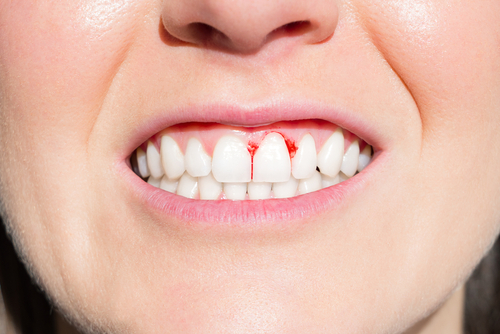
Naturally Healing Bleeding Gums: A Holistic Approach
Hey there! So, you've got bleeding gums, huh? It's not the most pleasant experience, and it can be a real worry. Before we dive into some natural remedies, let me be clear: if your bleeding gums are accompanied by other symptoms like severe pain, swelling, fever, or loose teeth, you NEED to see a dentist ASAP. This article is about exploring natural ways to *support* gum health, not replace professional dental care. Think of it as a helpful supplement, not a replacement for a checkup!
Bleeding gums are often a sign of gingivitis, the early stage of gum disease. While it's usually manageable, letting it go untreated can lead to more serious problems. So, let's get to the good stuff â€" natural ways to help soothe those irritated gums and get things back on track.
Understanding the Root of the Problem
Before we jump into remedies, it's helpful to understand *why* your gums might be bleeding. The most common culprit is poor oral hygiene. Bacteria build up on your teeth, forming plaque. This plaque irritates the gums, causing inflammation and bleeding. Other factors can contribute, such as:
- Aggressive brushing: Scrubbing too hard can damage your gums.
- Hormonal changes: Pregnancy and puberty can make gums more sensitive.
- Certain medications: Some medications can have bleeding as a side effect.
- Vitamin deficiencies: A lack of Vitamin C is particularly linked to gum problems.
- Smoking: Smoking significantly increases the risk of gum disease.
- Underlying medical conditions: Sometimes, bleeding gums can be a symptom of a more serious health issue.
Natural Remedies for Bleeding Gums
Now for the part you've been waiting for! Here are some natural remedies that can help soothe your bleeding gums and promote healing. Remember consistency is key â€" these aren't magic bullets, they work best when used regularly as part of a good oral hygiene routine.
Saltwater Rinse
This is a classic for a reason! Saltwater has natural antiseptic properties that can help reduce inflammation and kill bacteria. Simply mix ½ to ¾ teaspoon of salt in a glass of warm water and swish it around your mouth for about 30-60 seconds, then spit it out. Do this several times a day.
Hydrogen Peroxide Rinse (Use with Caution!)
Hydrogen peroxide has mild antiseptic properties and can help clean wounds. However, use it sparingly and dilute it properly. Mix a small amount (about 1 tablespoon) of 3% hydrogen peroxide with an equal amount of water. Swish gently for 30 seconds, then rinse thoroughly with plain water. Do not swallow, and don't use this rinse too frequently, as it can irritate your gums if overused.
Aloe Vera
Aloe vera is known for its soothing and anti-inflammatory properties. You can apply a small amount of pure aloe vera gel directly to your gums. Gently massage it in and let it sit for a few minutes before rinsing. You can find aloe vera gel at most health food stores or pharmacies.
Tea Tree Oil (Dilute Carefully!)
Tea tree oil possesses powerful antibacterial and anti-inflammatory properties. However, it's crucial to dilute it properly before using it in your mouth. Mix a single drop or two of tea tree oil with a tablespoon of a carrier oil, such as coconut oil, before applying it to your gums with a cotton swab. Do not swallow. Always test a small area first to check for any adverse reactions.
Clove Oil
Clove oil has been used for centuries to relieve toothaches and gum pain. Its main component, eugenol, possesses anesthetic and antiseptic qualities. You can apply a tiny drop of clove oil directly to the affected area using a cotton swab. Be extremely cautious as clove oil is potent. Too much can irritate your gums.
Improving Your Diet
What you eat plays a significant role in your gum health. Focus on a diet rich in:
- Vitamin C: Found in citrus fruits, berries, and leafy greens. Crucial for collagen production, essential for healthy gums.
- Vitamin K: Helps with blood clotting and wound healing. Found in leafy greens, broccoli, and Brussels sprouts.
- Calcium: Important for strong teeth and bones. Found in dairy products, leafy greens, and fortified foods.
Maintaining Good Oral Hygiene
No matter what natural remedies you use, maintaining impeccable oral hygiene is the cornerstone of healthy gums. Here's what you need to do:
- Brush twice a day: Use a soft-bristled toothbrush and gentle, circular motions. Don't scrub too hard!
- Floss daily: Flossing removes plaque and food particles from between your teeth, where your toothbrush can't reach.
- Use mouthwash: A therapeutic mouthwash can help reduce bacteria and inflammation.
- Visit your dentist regularly: Professional cleanings and checkups are crucial for preventing and treating gum disease.
When to See a Dentist
Remember, while natural remedies can help, they are not a replacement for professional dental care. See your dentist immediately if:
- Your gums bleed frequently and excessively.
- Your gums are swollen, red, or painful.
- You have loose teeth.
- You have persistent bad breath.
- You have a fever or other systemic symptoms.
Commonly Asked Questions
Q: How long does it take for bleeding gums to heal naturally?
A: It depends on the cause and severity. With good oral hygiene and natural remedies, you might see improvement within a week or two. However, more serious cases may require longer treatment.
Q: Can I use these remedies together?
A: You can, but be cautious about combining potent remedies like tea tree oil and hydrogen peroxide. Start with one remedy and see how your gums respond before adding others. Always follow the dilution instructions carefully.
Q: Are there any side effects to these natural remedies?
A: While generally safe when used properly, some remedies like tea tree oil and clove oil can cause irritation if used undiluted or in excess. Always dilute them properly and perform a patch test if you have sensitive skin.
Q: Why are my gums bleeding even after brushing gently?
A: If your gums are still bleeding despite gentle brushing, it's crucial to see a dentist to rule out any underlying issues.
Remember, this information is for general knowledge and shouldn't be considered medical advice. Always consult your dentist or doctor for any concerns about your oral health.

0 comments:
Post a Comment
Note: only a member of this blog may post a comment.