Friday, 22 November 2024
How to Heal Gum Infection with a Proper Oral Care Routine
Kiss That Gum Infection Goodbye: Your Guide to Healing with a Stellar Oral Care Routine
Hey there! So, you've got a gum infection, huh? It's not fun, I know. Swollen, bleeding gums? Maybe even some throbbing pain? Ugh. But don't worry, you're not alone, and it's totally treatable. This isn't a lecture, promise! Just a friendly chat about how to get your gums back to their healthy, happy selves with a little TLC and a seriously awesome oral care routine. Let's dive in!Understanding Your Gum Infection (Gingivitis or Periodontitis?)
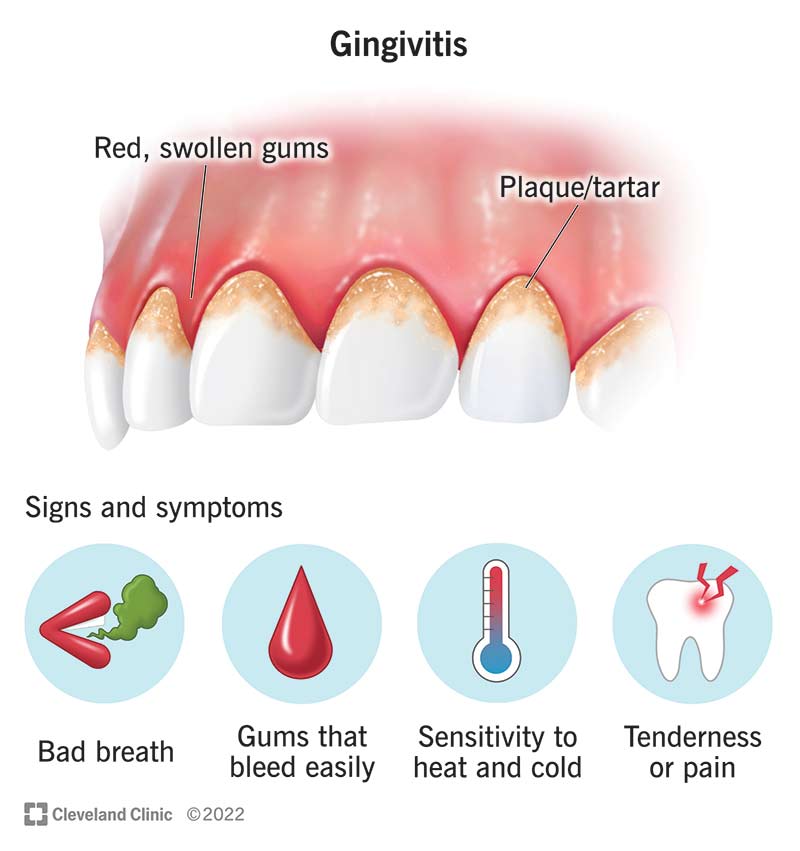
First things first, let's talk about what's going on. Gum infections, technically called gingivitis or periodontitis, are basically caused by a buildup of plaqueâ€"that sticky film of bacteria that forms on your teeth. If you don't remove it regularly, it irritates your gums, leading to inflammation, redness, swelling, and bleeding.Gingivitis: The Early Stage
Gingivitis is the milder form. It's reversible! Think of it as a warning sign from your gums. You might notice some redness, some bleeding when you brush, and maybe even slightly swollen gums. Catching it early is key!Periodontitis: The More Serious Stage
If gingivitis is left untreated, it can progress to periodontitis. This is a more serious infection that can actually damage the bone and tissues that support your teeth. You might experience more severe swelling, persistent bleeding, bad breath, pus, and even loose teeth. If you're experiencing any of these symptoms, see a dentist ASAP!Your New Best Friend: The Power of Brushing and Flossing
Okay, let's get down to brass tacks: the foundation of a healthy mouth is a consistent and thorough brushing and flossing routine. I know, I know, you've heard it a million times, but it’s seriously the most important thing.Brushing 101: Doing it Right
*Flossing: The Unsung Hero
Brushing alone can’t reach all those nooks and crannies between your teeth. That's where flossing comes in. *Beyond the Basics: Boosting Your Gum Health
While brushing and flossing are non-negotiable, there are a few other things you can do to supercharge your gum health and fight that infection.Mouthwash Magic
A therapeutic mouthwash, especially one recommended by your dentist, can help reduce inflammation and kill bacteria. Look for ones containing chlorhexidine or essential oils. Follow the instructions on the bottle carefully.Diet Matters!
Believe it or not, your diet plays a huge role in oral health. Focus on a balanced diet rich in fruits, vegetables, and whole grains. Limit sugary drinks and snacks, as these feed the bacteria in your mouth.Stay Hydrated
Water is your friend! It helps wash away food particles and bacteria, keeping your mouth clean and healthy.Stress Less (Easier Said Than Done, I Know)
Stress can weaken your immune system, making you more susceptible to infections, including gum disease. Find healthy ways to manage stress, such as exercise, yoga, meditation, or spending time in nature.Regular Dental Checkups
This is crucial! See your dentist for regular checkups and cleanings, at least twice a year. They can catch problems early, provide professional cleanings to remove plaque and tartar, and offer tailored advice for your specific needs.When to See a Dentist (Seriously, Don't Delay!)
If your gum infection is severe or doesn't improve with home care, it's essential to see a dentist. They can diagnose the problem accurately, provide professional treatment (like scaling and root planing for periodontitis), and rule out any other underlying issues. Don't wait until it gets worse! Early intervention is key.Commonly Asked Questions
Q: How long does it take to heal a gum infection?
A: It depends on the severity of the infection. Gingivitis often improves within a few weeks with proper home care. Periodontitis may require more extensive treatment and longer healing time.
Q: Will my gums ever be the same after a gum infection?
A: If you catch gingivitis early and treat it effectively, your gums can fully recover. With periodontitis, some damage may be permanent, but with proper treatment, you can prevent further damage and maintain healthy gums.
Q: What are the long-term consequences of untreated gum disease?
A: Untreated gum disease can lead to tooth loss, bone loss, heart disease, diabetes complications, and other serious health problems.
Q: Can I use natural remedies to treat a gum infection?
A: While some natural remedies like rinsing with salt water might offer temporary relief, they're not a replacement for professional dental care. Always consult your dentist before using any alternative treatments.
Remember, taking care of your gums isn't just about pearly whites; it's about your overall health. By following these tips and maintaining a consistent oral care routine, you can conquer that gum infection and enjoy a healthy, happy smile for years to come! And if you have any doubts or concerns, please see a dentist!
0 comments:
Post a Comment
Note: only a member of this blog may post a comment.