Friday, 22 November 2024
How to Incorporate Mouthwash into Your Routine for Better Breath
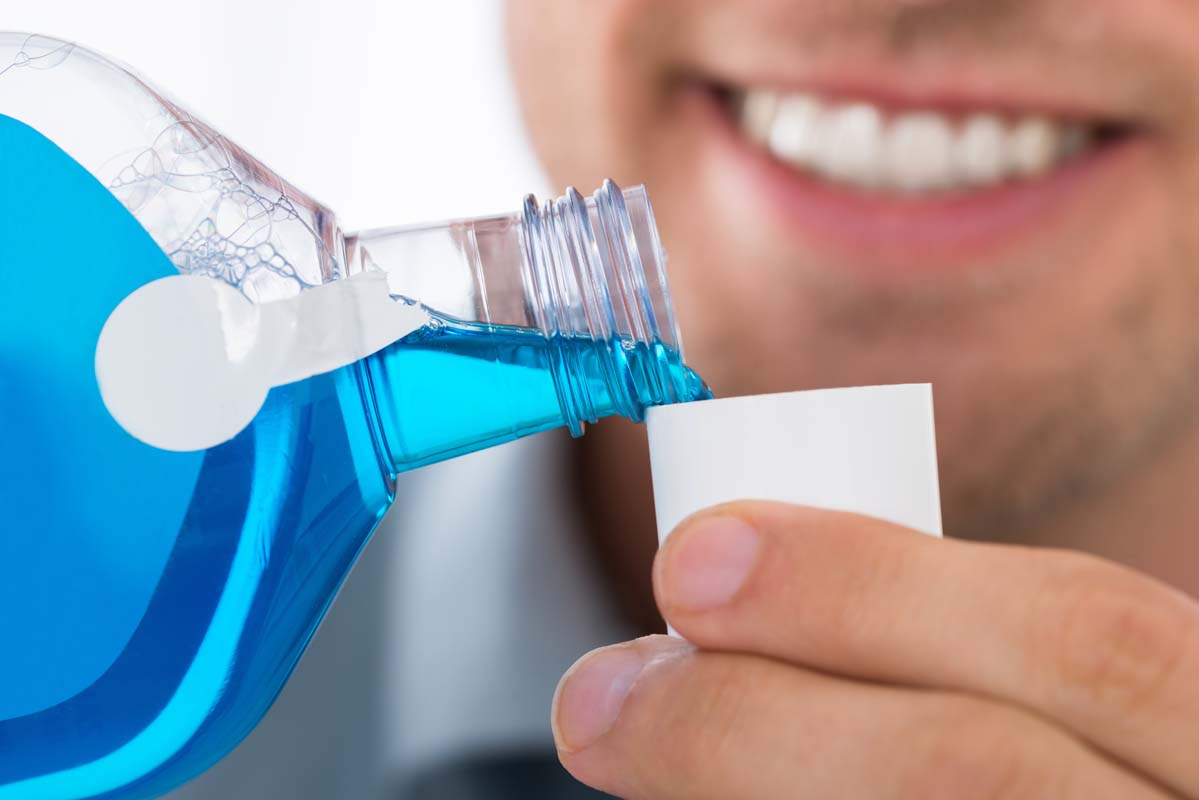
Unlocking Fresh Breath: Your Guide to Mastering Mouthwash
Let's be honest, nobody wants bad breath. It's awkward, it can be embarrassing, and it can even affect your confidence. While brushing and flossing are the cornerstones of good oral hygiene, incorporating mouthwash into your routine can seriously level up your breath game. But with so many options on the shelves, it can be tricky to know where to start. This guide is designed to help you navigate the world of mouthwash and find the perfect fit for your needs. Get ready to say goodbye to stinky breath and hello to fresh, confident smiles!
Understanding the Power of Mouthwash
Mouthwash isn't just a quick fix for bad breath â€" it's a powerful tool in your arsenal for overall oral health. Think of it as a supplemental superhero to your toothbrush and floss. While brushing removes food particles and plaque from the surfaces of your teeth, and flossing reaches those tricky-to-reach areas between your teeth, mouthwash tackles what those two might miss. It swishes around your mouth, reaching every nook and cranny, eliminating lingering bacteria and neutralizing odor-causing compounds.
Different types of mouthwash offer different benefits. Some focus on fighting bacteria, others target gingivitis (gum inflammation), and some even help whiten your teeth. Let's dive into the different types so you can choose the best one for you.
Therapeutic Mouthwashes: The Heavy Hitters
These are the power players in the mouthwash world. They often contain ingredients like chlorhexidine or cetylpyridinium chloride, which are potent antibacterial agents. These mouthwashes are usually prescribed by dentists to treat specific conditions like gingivitis, periodontitis (gum disease), or after oral surgery. They're seriously effective at killing bacteria, but it's important to use them only as directed by your dentist because long-term use can sometimes stain your teeth or alter the natural balance of your mouth's bacteria.
Cosmetic Mouthwashes: The Fresh Breath Boosters
These are the everyday champions, focusing primarily on freshening breath and providing a pleasant taste. They often contain alcohol to help kill bacteria, along with flavoring agents to leave your mouth feeling clean and refreshed. While they do a great job of masking bad breath temporarily, they aren't as potent as therapeutic mouthwashes when it comes to fighting gum disease. Look for alcohol-free versions if you have sensitive gums or are concerned about the drying effects of alcohol.
Mouthwashes with Added Benefits: The Multitaskers
The mouthwash market is constantly evolving, offering more and more specialized products. You can now find mouthwashes with added benefits like whitening agents, fluoride to strengthen enamel, or even ingredients designed to reduce sensitivity. These are great options if you want to address multiple oral health concerns at once.
Incorporating Mouthwash into Your Daily Routine
Timing is key when it comes to mouthwash. The best time to use it is after brushing and flossing, typically twice a day (morning and evening). This way, you're maximizing its effectiveness by clearing away food debris and plaque before allowing the mouthwash to work its magic.
Here's a step-by-step guide:
- Brush your teeth for two minutes using fluoride toothpaste.
- Floss gently between your teeth to remove any trapped food particles.
- Rinse your mouth with water to remove any leftover toothpaste or food particles.
- Pour the recommended amount of mouthwash into a cup.
- Swirl the mouthwash around your mouth for 30-60 seconds, making sure to reach all areas.
- Spit out the mouthwash thoroughly.
- Avoid rinsing with water after using mouthwash, as this can dilute its effectiveness.
Important Note: Always follow the instructions on the mouthwash bottle. Some mouthwashes require you to dilute them with water, while others should be used undiluted.
Choosing the Right Mouthwash for You
Selecting the right mouthwash depends on your specific needs and preferences. Consider these factors:
- Your oral health goals: Are you primarily aiming for fresh breath, treating gingivitis, or whitening your teeth?
- Your sensitivity level: Some mouthwashes contain alcohol, which can be drying or irritating for those with sensitive gums. Look for alcohol-free options if you have sensitive teeth or gums.
- Your taste preferences: Mouthwashes come in a wide variety of flavors, so choose one you enjoy to ensure you'll use it consistently.
- Your dentist's recommendation: Your dentist can provide personalized advice based on your individual oral health needs and any existing conditions.
Don't be afraid to experiment with different brands and types of mouthwash until you find one that works best for you.
Beyond the Basics: Maximizing the Benefits of Mouthwash
To truly unlock the full potential of your mouthwash, consider these tips:
- Maintain a healthy diet: What you eat and drink directly impacts your breath. Limit sugary drinks and foods that contribute to bacteria growth.
- Stay hydrated: Drinking plenty of water helps wash away food particles and keeps your mouth moist, preventing dry mouth, which often leads to bad breath.
- Quit smoking: Smoking is a major contributor to bad breath and various oral health problems.
- Regular dental checkups: Visit your dentist for regular cleanings and checkups to address any underlying oral health issues that might be contributing to bad breath.
Commonly Asked Questions
Q: Can I use mouthwash instead of brushing and flossing?
A: Absolutely not! Mouthwash is a supplement to brushing and flossing, not a replacement. Brushing and flossing are essential for removing plaque and food particles from your teeth and gums.
Q: Is it okay to swallow mouthwash?
A: No, mouthwash is not meant to be swallowed. Always spit it out thoroughly after use.
Q: How often should I use mouthwash?
A: Most mouthwashes are designed for twice-daily use, but always check the product instructions.
Q: My mouthwash burns. Is that normal?
A: Some mouthwashes, especially those containing alcohol, can cause a burning sensation. If the burning is excessive or uncomfortable, switch to an alcohol-free formula or consult your dentist.
Q: Can mouthwash whiten my teeth?
A: Some mouthwashes contain whitening agents, but they are not as effective as professional whitening treatments from your dentist. They might help maintain whiteness but won't dramatically change your teeth color.
Q: My breath still smells bad even after using mouthwash. What should I do?
A: Persistent bad breath can be a sign of an underlying medical condition. See your dentist or doctor to rule out any serious issues.
Remember, maintaining good oral hygiene is a team effort. By combining regular brushing, flossing, and strategic mouthwash use, you’ll be well on your way to a healthier, fresher smile!

0 comments:
Post a Comment
Note: only a member of this blog may post a comment.