Sunday, 24 November 2024
Best Tips for Treating and Preventing Inflammation of the Gums
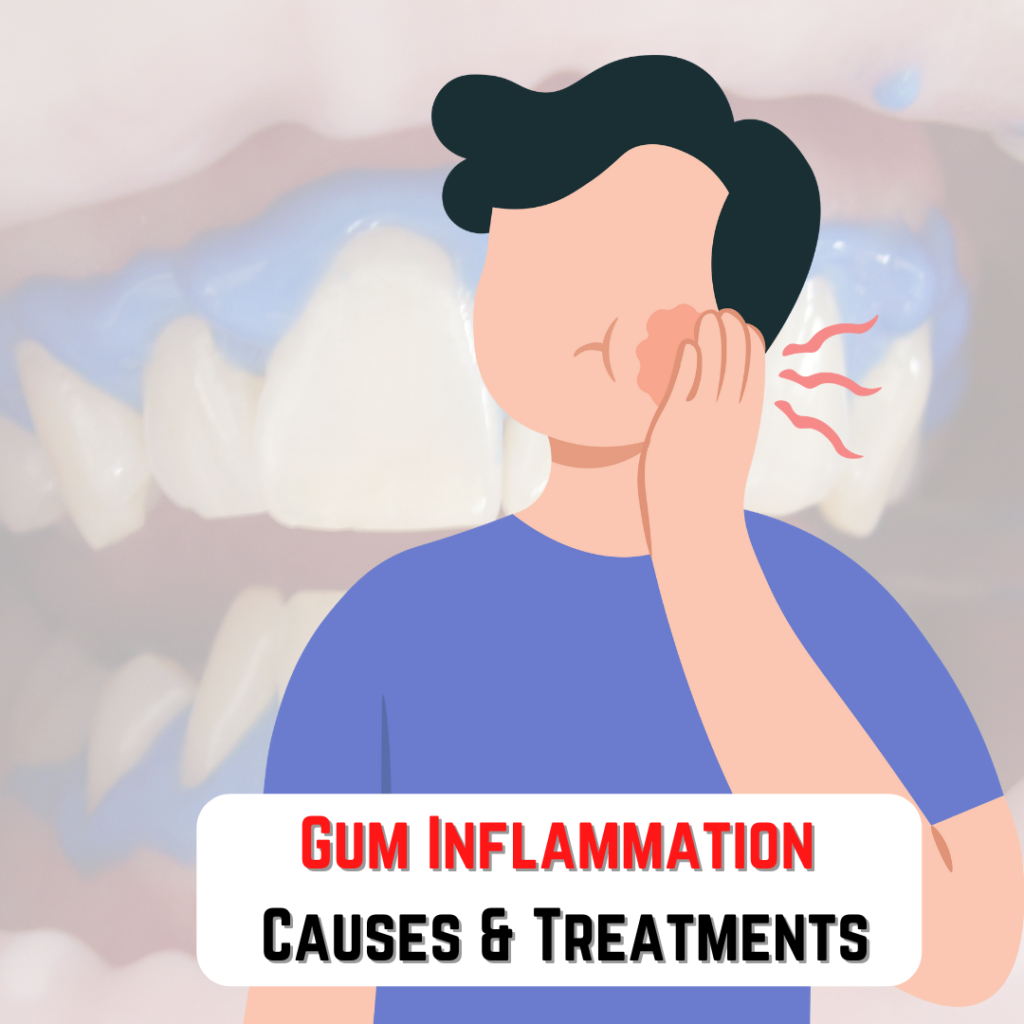
Saying Goodbye to Swollen, Sore Gums: A Guide to Treating and Preventing Gingivitis
Hey there! So, you're dealing with inflamed gums â€" that annoying redness, swelling, and maybe even some bleeding? Don't worry, you're not alone. Gingivitis, or gum inflammation, is super common, and thankfully, usually pretty manageable. Let's dive into how to treat it and, even better, how to prevent it from happening in the first place.Understanding the Root of the Problem
Before we get into solutions, let's talk about what causes inflamed gums. The main culprit is usually plaque â€" that sticky film of bacteria that constantly forms on your teeth. If you don't remove it regularly through brushing and flossing, it irritates your gums, leading to inflammation. Think of it like this: plaque is the bully, and your gums are the victim getting pushed around.
Beyond poor oral hygiene, other factors can contribute to gingivitis. These include:
- Genetics: Some people are simply more prone to gum disease than others.
- Hormonal changes: Pregnancy and puberty can make gums more sensitive and susceptible to inflammation.
- Certain medications: Some drugs can have a side effect of dry mouth, which makes it easier for plaque to build up.
- Smoking: Smoking significantly increases your risk of gum disease and makes it harder to heal.
- Stress: Believe it or not, stress can weaken your immune system, making you more vulnerable to infections like gingivitis.
- Poor nutrition: A diet lacking in essential vitamins and minerals can impact gum health.
- Diabetes: Uncontrolled diabetes can make you more prone to gum infections.
It's important to note that gingivitis, if left untreated, can progress to periodontitis â€" a more serious gum disease that can lead to tooth loss. So, early intervention is key!
Treating Inflamed Gums: Your Action Plan
The good news is that gingivitis is often reversible with proper care. Here's what you can do:
Step 1: Up Your Oral Hygiene Game
This is the most crucial step. We're talking about a serious commitment to brushing and flossing! Aim for brushing twice a day for at least two minutes each time, using a soft-bristled toothbrush and fluoride toothpaste. Don't forget to gently brush your gum line. Flossing at least once a day is equally important to remove plaque and food particles from between your teeth, where your toothbrush can't reach.
Consider an electric toothbrush. Many find them easier to use and more effective at plaque removal. And don't be afraid to experiment with different types of floss â€" waxed, unwaxed, floss picks â€" to find what works best for you.
Step 2: Rinse Away the Bacteria
Using an antiseptic mouthwash can help reduce the bacteria in your mouth. Look for mouthwashes containing chlorhexidine or essential oils. Follow the instructions on the label carefully. Remember, mouthwash is a supplement to brushing and flossing, not a replacement!
Step 3: See Your Dentist
This is non-negotiable. Regular dental checkups are vital for preventing and treating gum disease. Your dentist can professionally clean your teeth to remove stubborn plaque and tartar (hardened plaque) that you can't remove at home. They can also diagnose any underlying issues and provide personalized advice.
Step 4: Address Underlying Health Conditions
If you have diabetes, hormonal imbalances, or other health conditions that might be contributing to your gingivitis, work with your doctor to manage them effectively. Better overall health translates directly to better gum health.
Preventing Gingivitis: A Proactive Approach
Prevention is always better than cure, right? Here are some tips to keep those gums happy and healthy:
- Brush and floss religiously: We've already covered this, but it bears repeating! Make it a non-negotiable part of your daily routine.
- Eat a healthy diet: A balanced diet rich in fruits, vegetables, and whole grains provides your body with the nutrients it needs to fight infection.
- Quit smoking: If you smoke, quitting is one of the best things you can do for your overall health, including your gum health.
- Manage stress: Find healthy ways to manage stress, such as exercise, yoga, or meditation.
- Regular dental checkups: Aim for at least two checkups a year, or more frequently if your dentist recommends it.
- Stay hydrated: Drinking plenty of water helps wash away food particles and bacteria.
- Choose the right toothbrush: A soft-bristled toothbrush is gentler on your gums.
Commonly Asked Questions
Q: My gums are bleeding when I brush. Is this normal?
A: No, bleeding gums are usually a sign of inflammation. It means you likely have some plaque buildup. Don't stop brushing, just be extra gentle, and make sure you're brushing and flossing effectively. See your dentist for a checkup.
Q: How long does it take to treat gingivitis?
A: The healing time depends on the severity of the inflammation and how well you follow your dentist's recommendations. With diligent oral hygiene, most cases of gingivitis improve significantly within a few weeks.
Q: Can gingivitis be cured completely?
A: Yes, if caught early and treated properly. However, it requires consistent effort in maintaining good oral hygiene to prevent it from returning.
Q: What are the signs of periodontitis?
A: Periodontitis is a more advanced stage of gum disease. Symptoms include persistent bad breath, loose teeth, receding gums, and pockets of pus around your teeth. If you notice any of these signs, see your dentist immediately.
Q: Are there any home remedies for gingivitis?
A: While home remedies like rinsing with salt water can offer temporary relief, they are not a replacement for professional dental care and good oral hygiene. They can help soothe discomfort but won't address the underlying bacterial infection.
Remember, your oral health is an important part of your overall health. Don't hesitate to reach out to your dentist if you have any concerns about your gums. Early intervention is key to preventing more serious problems down the line!

0 comments:
Post a Comment
Note: only a member of this blog may post a comment.