Sunday, 24 November 2024
Best Tips for Treating and Preventing Inflammation of the Gums
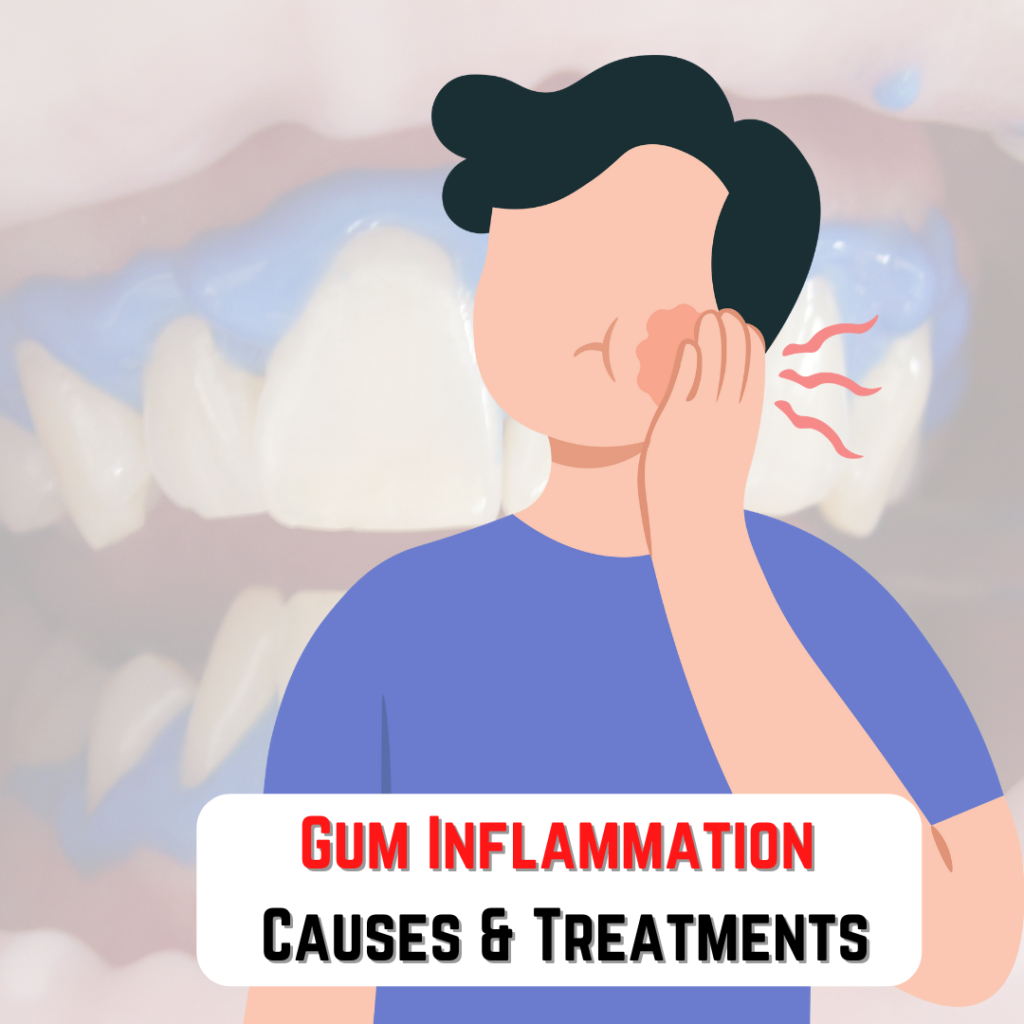
Saying Goodbye to Swollen, Sore Gums: A Guide to Treating and Preventing Gingivitis
Hey there! So, you're dealing with inflamed gums â€" that annoying redness, swelling, and maybe even some bleeding? Don't worry, you're not alone. Gingivitis, or gum inflammation, is super common, and thankfully, usually pretty manageable. Let's dive into how to treat it and, even better, how to prevent it from happening in the first place.Understanding the Root of the Problem
Before we get into solutions, let's talk about what causes inflamed gums. The main culprit is usually plaque â€" that sticky film of bacteria that constantly forms on your teeth. If you don't remove it regularly through brushing and flossing, it irritates your gums, leading to inflammation. Think of it like this: plaque is the bully, and your gums are the victim getting pushed around.
Beyond poor oral hygiene, other factors can contribute to gingivitis. These include:
- Genetics: Some people are simply more prone to gum disease than others.
- Hormonal changes: Pregnancy and puberty can make gums more sensitive and susceptible to inflammation.
- Certain medications: Some drugs can have a side effect of dry mouth, which makes it easier for plaque to build up.
- Smoking: Smoking significantly increases your risk of gum disease and makes it harder to heal.
- Stress: Believe it or not, stress can weaken your immune system, making you more vulnerable to infections like gingivitis.
- Poor nutrition: A diet lacking in essential vitamins and minerals can impact gum health.
- Diabetes: Uncontrolled diabetes can make you more prone to gum infections.
It's important to note that gingivitis, if left untreated, can progress to periodontitis â€" a more serious gum disease that can lead to tooth loss. So, early intervention is key!
Treating Inflamed Gums: Your Action Plan
The good news is that gingivitis is often reversible with proper care. Here's what you can do:
Step 1: Up Your Oral Hygiene Game
This is the most crucial step. We're talking about a serious commitment to brushing and flossing! Aim for brushing twice a day for at least two minutes each time, using a soft-bristled toothbrush and fluoride toothpaste. Don't forget to gently brush your gum line. Flossing at least once a day is equally important to remove plaque and food particles from between your teeth, where your toothbrush can't reach.
Consider an electric toothbrush. Many find them easier to use and more effective at plaque removal. And don't be afraid to experiment with different types of floss â€" waxed, unwaxed, floss picks â€" to find what works best for you.
Step 2: Rinse Away the Bacteria
Using an antiseptic mouthwash can help reduce the bacteria in your mouth. Look for mouthwashes containing chlorhexidine or essential oils. Follow the instructions on the label carefully. Remember, mouthwash is a supplement to brushing and flossing, not a replacement!
Step 3: See Your Dentist
This is non-negotiable. Regular dental checkups are vital for preventing and treating gum disease. Your dentist can professionally clean your teeth to remove stubborn plaque and tartar (hardened plaque) that you can't remove at home. They can also diagnose any underlying issues and provide personalized advice.
Step 4: Address Underlying Health Conditions
If you have diabetes, hormonal imbalances, or other health conditions that might be contributing to your gingivitis, work with your doctor to manage them effectively. Better overall health translates directly to better gum health.
Preventing Gingivitis: A Proactive Approach
Prevention is always better than cure, right? Here are some tips to keep those gums happy and healthy:
- Brush and floss religiously: We've already covered this, but it bears repeating! Make it a non-negotiable part of your daily routine.
- Eat a healthy diet: A balanced diet rich in fruits, vegetables, and whole grains provides your body with the nutrients it needs to fight infection.
- Quit smoking: If you smoke, quitting is one of the best things you can do for your overall health, including your gum health.
- Manage stress: Find healthy ways to manage stress, such as exercise, yoga, or meditation.
- Regular dental checkups: Aim for at least two checkups a year, or more frequently if your dentist recommends it.
- Stay hydrated: Drinking plenty of water helps wash away food particles and bacteria.
- Choose the right toothbrush: A soft-bristled toothbrush is gentler on your gums.
Commonly Asked Questions
Q: My gums are bleeding when I brush. Is this normal?
A: No, bleeding gums are usually a sign of inflammation. It means you likely have some plaque buildup. Don't stop brushing, just be extra gentle, and make sure you're brushing and flossing effectively. See your dentist for a checkup.
Q: How long does it take to treat gingivitis?
A: The healing time depends on the severity of the inflammation and how well you follow your dentist's recommendations. With diligent oral hygiene, most cases of gingivitis improve significantly within a few weeks.
Q: Can gingivitis be cured completely?
A: Yes, if caught early and treated properly. However, it requires consistent effort in maintaining good oral hygiene to prevent it from returning.
Q: What are the signs of periodontitis?
A: Periodontitis is a more advanced stage of gum disease. Symptoms include persistent bad breath, loose teeth, receding gums, and pockets of pus around your teeth. If you notice any of these signs, see your dentist immediately.
Q: Are there any home remedies for gingivitis?
A: While home remedies like rinsing with salt water can offer temporary relief, they are not a replacement for professional dental care and good oral hygiene. They can help soothe discomfort but won't address the underlying bacterial infection.
Remember, your oral health is an important part of your overall health. Don't hesitate to reach out to your dentist if you have any concerns about your gums. Early intervention is key to preventing more serious problems down the line!

The Role of Probiotics in Long-Term Gum Maintenance

The Role of Probiotics in Long-Term Gum Maintenance
Periodontal disease, encompassing gingivitis and periodontitis, remains a prevalent global health concern, significantly impacting oral health and systemic well-being. While traditional approaches involving mechanical cleaning and antimicrobial agents form the cornerstone of periodontal therapy, increasing research highlights the potential of probiotics as an adjunct therapy for long-term gum maintenance. This article explores the current understanding of the role of probiotics in preventing and managing periodontal disease, examining the mechanisms of action, efficacy, and future directions of this emerging field.
The Oral Microbiome and Periodontal Disease
The human oral cavity harbors a complex and dynamic microbial ecosystem, commonly referred to as the oral microbiome. This diverse community of bacteria, archaea, fungi, and viruses plays a crucial role in maintaining oral health. However, dysbiosis, an imbalance in the composition and function of the oral microbiome, is a hallmark of periodontal disease. A shift towards a predominance of gram-negative, pathogenic bacteria, such as Porphyromonas gingivalis, Tannerella forsythia, and Aggregatibacter actinomycetemcomitans, is associated with the progression from gingivitis (inflammation of the gums) to periodontitis (inflammation and destruction of the supporting tissues of the teeth).
The Pathogenesis of Periodontal Disease
The pathogenesis of periodontal disease is a complex interplay between host susceptibility and microbial virulence factors. Gram-negative bacteria produce various virulence factors, including lipopolysaccharide (LPS), gingipains, and fimbriae, which contribute to inflammation and tissue destruction. These virulence factors trigger an inflammatory response in the host, leading to the recruitment of immune cells and the release of pro-inflammatory cytokines. Uncontrolled inflammation results in the breakdown of collagen fibers, bone resorption, and ultimately, tooth loss.
Probiotics: Potential Allies in Maintaining Oral Health
Probiotics, defined as live microorganisms that confer a health benefit on the host when administered in adequate amounts, have emerged as promising agents in the prevention and management of periodontal disease. The rationale for their use rests on their ability to modulate the oral microbiome, reducing the abundance of pathogenic bacteria and promoting the growth of beneficial commensal bacteria. This modulation can contribute to a more stable and balanced oral ecosystem, reducing the risk of periodontal disease and improving treatment outcomes.
Mechanisms of Action
The mechanisms by which probiotics exert their beneficial effects in periodontal health are multifaceted and include:
- Competitive exclusion: Probiotics compete with pathogenic bacteria for adhesion sites on the tooth surface and gingival epithelium, preventing their colonization and reducing their ability to cause disease.
- Production of antimicrobial substances: Certain probiotic strains produce antimicrobial compounds, such as bacteriocins, hydrogen peroxide, and organic acids, which inhibit the growth of pathogenic bacteria.
- Modulation of the immune response: Probiotics can modulate the host immune response by reducing the production of pro-inflammatory cytokines and enhancing the production of anti-inflammatory cytokines. This helps to control inflammation and prevent tissue damage.
- Enhancement of the epithelial barrier: Some probiotics can strengthen the epithelial barrier, reducing the permeability of the gingival tissues and preventing the invasion of pathogenic bacteria.
- Stimulation of salivary IgA: Probiotics can stimulate the production of salivary IgA, an antibody that plays a critical role in mucosal immunity.
Efficacy of Probiotics in Periodontal Therapy
Numerous clinical studies have investigated the efficacy of probiotics in the prevention and treatment of periodontal disease. While results have been somewhat variable, a growing body of evidence suggests that probiotics can be beneficial, particularly when used as an adjunct to conventional periodontal therapy. Many studies have shown a reduction in gingival inflammation, bleeding on probing, and probing depth, indicating improved periodontal health. However, the optimal probiotic strains, dosages, and delivery methods are still under investigation.
Challenges and Limitations
Despite the promising results of some studies, several challenges and limitations remain in the field of probiotic periodontal therapy. These include:
- Strain specificity: The efficacy of probiotics is highly strain-specific. Not all probiotic strains are equally effective in modulating the oral microbiome and improving periodontal health. Further research is needed to identify the most effective strains for periodontal applications.
- Dosage and administration: The optimal dosage and delivery method for probiotics in periodontal therapy are not yet fully established. Factors such as the form of administration (e.g., mouthwash, capsules, toothpaste), frequency of application, and duration of treatment need further investigation.
- Lack of standardization: There is a lack of standardization in the production and quality control of probiotic products, making it difficult to compare the results of different studies.
- Limited long-term data: Most studies have focused on short-term effects of probiotics on periodontal health. More long-term studies are needed to assess the long-term efficacy and safety of probiotic therapy.
Future Directions and Conclusions
The field of probiotic periodontal therapy is rapidly evolving. Future research should focus on identifying the most effective probiotic strains for specific periodontal conditions, optimizing dosage and delivery methods, and developing standardized protocols for probiotic use. Furthermore, studies examining the interactions between different probiotic strains and the host immune system are needed to enhance our understanding of the mechanisms of action. The development of personalized probiotic therapies, tailored to the individual's oral microbiome composition and host response, is a promising area of future research. This may involve the use of next-generation sequencing technologies to identify the most suitable probiotic strains for each individual.
In conclusion, while further research is warranted, the evidence suggests that probiotics hold significant promise as an adjunct therapy for long-term gum maintenance. Their ability to modulate the oral microbiome, reduce inflammation, and enhance host immunity offers a novel approach to preventing and managing periodontal disease. By addressing the current limitations and focusing on future research priorities, probiotics could play a significant role in improving oral health outcomes and reducing the global burden of periodontal disease.
The Best Stores to Shop for Fresh Purple Carrots in Your Area

A Comprehensive Guide to Locating Fresh Purple Carrots in Your Area
The vibrant hue of purple carrots, a testament to their rich anthocyanin content and associated health benefits, has garnered increasing interest among discerning consumers. However, sourcing these unique root vegetables can sometimes present a challenge. This comprehensive guide aims to equip you with the knowledge and resources necessary to locate the best stores offering fresh, high-quality purple carrots in your area.
Understanding the Supply Chain of Purple Carrots
Before embarking on your search, it’s crucial to understand the nuances of the purple carrot supply chain. Unlike their orange counterparts, purple carrots are not as widely cultivated or distributed. This limited availability is primarily due to factors such as:
- Lower consumer demand: Orange carrots remain the dominant variety in the market, leading to greater production and wider availability.
- Higher cultivation costs: Purple carrots might require specialized farming techniques or specific soil conditions, potentially increasing production costs.
- Shorter shelf life: Due to their higher water content and delicate skin, purple carrots might have a slightly shorter shelf life compared to orange carrots, posing challenges for large-scale distribution.
- Seasonal availability: Like many other produce items, the availability of purple carrots may be seasonal, fluctuating depending on the growing season in your region.
Consequently, locating purple carrots may necessitate a more focused and proactive approach than simply visiting your local supermarket. This guide explores various avenues to enhance your chances of success.
Strategies for Finding Purple Carrots Locally
Your search for fresh purple carrots should encompass a multifaceted strategy that leverages various retail channels and community resources.
Farmers' Markets and Local Farms
Farmers' markets often represent the best bet for sourcing unique and less-common produce, including purple carrots. These markets typically feature local farmers who prioritize fresh, high-quality products. By directly interacting with the farmers, you can gain insights into their cultivation practices, harvesting methods, and seasonal availability. Many farmers are happy to answer questions about their produce and even provide recommendations for optimal storage and preparation.
Directly contacting local farms through their websites or by phone is another effective strategy. Many farms specialize in organic or heirloom varieties, making it more likely that they cultivate purple carrots. Some farms offer pre-orders or even farm-stand pick-ups, ensuring you receive the freshest possible produce.
Specialty Grocery Stores and Health Food Stores
Specialty grocery stores and health food stores are more likely to stock unique and niche produce items than larger supermarket chains. These stores often cater to a customer base that appreciates diverse and high-quality foods, including less-common varieties like purple carrots. It's worth noting that the availability of purple carrots in these stores may still be intermittent, depending on supply and demand.
When visiting these stores, remember to inquire directly with staff members. They are often knowledgeable about their inventory and can provide information about the availability of purple carrots and any anticipated restocking schedules.
Online Grocery Delivery Services
Several online grocery delivery services are expanding their offerings to include niche and specialty produce items. While not all services will consistently carry purple carrots, it's worth checking their websites or apps regularly. The convenience of online ordering and delivery can significantly simplify the process of acquiring these specialty root vegetables, particularly if local stores are not readily accessible.
It's recommended to utilize the search filters provided by these platforms to specifically search for "purple carrots" or similar terms. Additionally, checking the product descriptions for details on origin and farming practices can help you make informed choices.
Restaurant Suppliers and Food Service Distributors
Restaurants that emphasize farm-to-table cuisine or specialize in creative culinary experiences might source purple carrots from local suppliers. While you may not be able to purchase directly from these suppliers, understanding their sourcing network could provide clues about potential retail locations carrying this produce.
Food service distributors supply produce to restaurants and institutions. While they may not directly sell to the public, their catalogs could offer insight into the availability and distribution channels of purple carrots in your region. Contacting a local food service distributor and politely inquiring about their product list could potentially unveil valuable information.
Tips for Maximizing Your Chances of Success
To enhance your success in locating fresh purple carrots, consider the following strategies:
- Be flexible with your timing: Purple carrots, like other seasonal produce, might only be available during specific times of the year. Be prepared to adjust your search based on the growing season in your area.
- Check multiple locations: Don't limit your search to just one or two stores. Explore various farmers' markets, specialty stores, and online options to expand your chances of finding purple carrots.
- Build relationships with local farmers: Engaging directly with farmers can establish a reliable source of purple carrots, particularly if they're willing to notify you when their crop is ready.
- Be persistent: Don't be discouraged if your initial searches are unsuccessful. The limited availability of purple carrots requires patience and persistence.
- Utilize social media: Check local farmers' market Facebook pages or other social media groups related to food and local produce. These platforms might provide updates on the availability of purple carrots or direct you to sellers.
By combining a comprehensive search strategy with persistence and patience, you can significantly improve your chances of discovering the best stores to procure delicious and nutritious fresh purple carrots in your area. Remember to savor the unique flavor and vibrant color of this remarkable root vegetable once you have successfully tracked it down.
How to Soothe Bleeding Gums with Aloe Vera

Soothing Bleeding Gums with Aloe Vera: A Comprehensive Guide
Bleeding gums, a common symptom often associated with gingivitis (gum inflammation) and periodontitis (gum disease), can cause discomfort and signal underlying oral health issues. While professional dental care is crucial for addressing the root cause of bleeding gums, complementary therapies like the application of aloe vera gel can provide soothing relief and promote healing. This comprehensive guide explores the efficacy of aloe vera in managing bleeding gums, highlighting its properties, application methods, and associated precautions.
Understanding the Etiology of Bleeding Gums
Bleeding gums are primarily indicative of gum inflammation, a condition that can stem from various factors. Poor oral hygiene is a leading culprit, allowing plaque (a sticky film of bacteria) to accumulate along the gum line. This plaque buildup triggers an inflammatory response, leading to gingivitis. If left untreated, gingivitis can progress to periodontitis, a more severe form of gum disease that damages the supporting structures of the teeth, potentially resulting in tooth loss.
Beyond poor oral hygiene, other contributing factors include:
- Genetics: A predisposition to gum disease can be inherited.
- Hormonal fluctuations: Changes in hormone levels, particularly during pregnancy and puberty, can increase susceptibility to gum inflammation.
- Smoking: Smoking impairs blood flow to the gums, hindering healing and increasing the risk of gum disease.
- Certain medications: Some medications, such as certain anticonvulsants and immunosuppressants, can have adverse effects on oral health.
- Systemic diseases: Conditions like diabetes and HIV can exacerbate gum disease.
- Nutritional deficiencies: Deficiencies in vitamins C and K can weaken gum tissue.
It is crucial to understand that aloe vera should be considered an adjunctive therapy and not a replacement for professional dental care. A comprehensive diagnosis and treatment plan from a dentist or periodontist are essential for managing bleeding gums effectively.
Aloe Vera: A Natural Remedy for Gum Inflammation
Aloe vera, a succulent plant with a long history of medicinal use, possesses numerous properties that may benefit oral health. Its gel, extracted from the leaves, contains a wealth of bioactive compounds, including:
- Anti-inflammatory agents: These compounds help reduce inflammation and swelling in the gums.
- Antioxidants: These combat free radicals, protecting gum tissue from damage.
- Antimicrobial properties: Aloe vera can inhibit the growth of certain bacteria that contribute to gum disease.
- Wound-healing compounds: These promote tissue regeneration and repair, accelerating the healing process.
These properties collectively contribute to aloe vera's potential in alleviating the symptoms of bleeding gums and promoting gum healing. However, the scientific evidence supporting its efficacy is still relatively limited and requires further robust research. While anecdotal evidence and some preliminary studies suggest benefits, more rigorous clinical trials are needed to definitively establish its therapeutic effectiveness.
Applying Aloe Vera for Bleeding Gums
The application of aloe vera for bleeding gums is generally straightforward, but it's important to follow proper procedures to maximize its benefits and minimize potential risks:
Preparation and Sourcing of Aloe Vera
Ideally, use fresh aloe vera leaves from a reputable source, ensuring they are organically grown and free from pesticides. Thoroughly wash the leaves to remove any dirt or debris. Cut open a leaf lengthwise and carefully scoop out the clear gel, avoiding the yellow sap (aloin) which can be irritating to the gums.
Alternatively, commercially available aloe vera gels can be used, but it is crucial to select products that are specifically designed for oral use and contain a high percentage of pure aloe vera gel with minimal added ingredients. Check the label for potential allergens or additives that could irritate sensitive gums.
Application Techniques
Gently massage a small amount of aloe vera gel directly onto the affected gums using a clean fingertip or cotton swab. Focus on the areas where bleeding is most pronounced. Allow the gel to remain on the gums for several minutes before rinsing your mouth with lukewarm water. It’s recommended to avoid swallowing the gel.
For optimal results, apply the aloe vera gel twice daily, ideally after brushing and flossing. This routine should be maintained for a few weeks, or until the bleeding subsides significantly. Consistent use is crucial for obtaining noticeable improvements.
Frequency and Duration of Application
The frequency of application should be tailored to individual needs. In cases of mild bleeding, once-daily application may suffice. However, for more severe bleeding or persistent gum inflammation, twice-daily application may be beneficial. The duration of treatment should extend until the bleeding significantly reduces. If no improvement is observed after a few weeks, it is imperative to seek professional dental advice.
Precautions and Potential Side Effects
While generally safe, aloe vera can cause adverse reactions in some individuals. Before applying aloe vera to your gums, it's advisable to conduct a small patch test on a less sensitive area of skin to check for any allergic reactions. Common side effects might include mild irritation, redness, or itching.
Important Note: Aloe vera is not a substitute for professional dental care. If bleeding gums persist despite using aloe vera, consult a dentist or periodontist immediately. They can accurately diagnose the underlying cause of the bleeding and recommend appropriate treatment options, potentially including scaling and root planing to remove plaque and tartar buildup.
Furthermore, individuals with specific medical conditions or those taking certain medications should consult their healthcare provider before using aloe vera, as it may interact with some medications or exacerbate certain health conditions.
Conclusion
Aloe vera gel, with its anti-inflammatory and antimicrobial properties, offers a potentially soothing and supportive role in managing bleeding gums. Its application is generally safe and easy, but it is paramount to remember that it should be considered as a complementary therapy, not a primary treatment. Maintaining excellent oral hygiene practices, including regular brushing, flossing, and professional dental cleanings, remains the cornerstone of preventing and treating bleeding gums. The timely intervention of a dental professional is crucial for ensuring comprehensive oral health and addressing any underlying dental issues.
Natural Strategies for Managing Bad Breath with Dietary Supplements

Conquering Bad Breath Naturally: A Dietary Supplement Approach
Hey there! Let's talk about something nobody really *wants* to talk about, but everyone experiences at some point: bad breath, or halitosis. It's embarrassing, and while brushing and flossing are essential, sometimes you need a little extra help. That's where natural dietary supplements can step in. This isn't a quick fix, but a holistic approach to tackling the root causes of bad breath. We'll explore some natural options, but remember, this information isn't medical advice. Always chat with your doctor or dentist before starting any new supplement regimen, especially if you have underlying health conditions.Understanding the Sources of Bad Breath
Before we dive into supplements, let's understand what causes bad breath. It's not just about yesterday's garlic pizza (although that definitely contributes!). The main culprit is often bacteria in your mouth that break down food particles, producing volatile sulfur compounds (VSCs) â€" the smelly stuff. Other factors include:- Poor oral hygiene: Skipping brushing and flossing allows bacteria to thrive.
- Dry mouth (xerostomia): Saliva helps wash away food particles and bacteria.
- Certain foods and drinks: Garlic, onions, coffee, and alcohol are notorious offenders.
- Medical conditions: Some health issues can contribute to bad breath, such as gum disease, diabetes, or respiratory infections.
- Tobacco use: Smoking significantly increases bad breath.
Dietary Supplements for Fresher Breath
Now for the exciting part â€" exploring supplements that can naturally support better breath. Remember, these work best *in conjunction* with good oral hygiene, not as a replacement for brushing and flossing!Chlorophyll
Chlorophyll, the pigment that makes plants green, has shown promise in reducing bad breath. Studies suggest it can neutralize some of the smelly VSCs produced by bacteria in your mouth. You can find chlorophyll supplements in liquid or capsule form. It's often touted for its detoxifying properties, and while more research is needed on its direct impact on breath, many people find it helps.Probiotics
Your gut health significantly impacts your overall well-being, and that includes your breath! A balanced gut microbiome helps maintain a healthy oral environment. Probiotics introduce beneficial bacteria into your gut, potentially improving digestive health and reducing the production of smelly compounds. Look for supplements containing strains like *Lactobacillus* and *Bifidobacterium*. While the link isn't direct, a healthy gut can contribute to better breath indirectly.Zinc
Zinc is an essential mineral involved in numerous bodily functions, including immune support. Some research suggests that zinc lozenges or supplements can help reduce the levels of VSCs. However, it's crucial to follow recommended dosage instructions precisely, as too much zinc can have adverse effects.Parsley
While not strictly a dietary supplement in the traditional sense, parsley is a natural breath freshener known for its ability to combat bad breath. It contains chlorophyll and other compounds that can neutralize odors. You can chew on fresh parsley leaves after meals or look for parsley-based supplements.Other Potential Supplements
Other supplements occasionally mentioned in relation to breath are:- Vitamin C: Supports immune function, indirectly affecting oral health.
- Milk Thistle: Sometimes suggested for liver support, which can help with detoxification, potentially impacting breath.
Important Considerations
Before you rush out to buy a stack of supplements, keep these in mind:
- Talk to your doctor or dentist: This is crucial, especially if you have underlying health conditions or are taking other medications.
- Start slow and observe: Begin with a low dose of any supplement and monitor how your body reacts.
- Quality matters: Choose reputable brands that undergo third-party testing to ensure purity and potency.
- Consistency is key: Supplements aren't magic bullets; they work best when combined with consistent good oral hygiene.
- Don't rely solely on supplements: Brushing, flossing, and regular dental checkups are still vital.
Lifestyle Changes for Fresher Breath
Supplements are helpful, but lifestyle modifications are equally, if not more, important.- Drink plenty of water: Keeps your mouth moist and helps wash away bacteria.
- Eat a balanced diet: Focus on fresh fruits, vegetables, and whole grains.
- Limit sugary and processed foods: These feed the bacteria that cause bad breath.
- Quit smoking and avoid excessive alcohol consumption: Both drastically impact breath.
- Chew sugar-free gum: Stimulates saliva production.
Commonly Asked Questions
Q: How long does it take to see results from breath-freshening supplements?
A: It varies depending on the supplement and the individual. You might notice a difference within a few weeks, but for optimal results, consistency is key. Some effects may be more noticeable than others.
Q: Can supplements cure bad breath completely?
A: Not necessarily. Supplements can help manage bad breath by addressing underlying factors, but they're not a cure-all. Good oral hygiene and addressing any underlying medical conditions are equally crucial.
Q: Are there any side effects of using these supplements?
A: Possible side effects vary depending on the supplement and the individual. Always start with a low dose and monitor for any adverse reactions. If you experience any problems, stop using the supplement and consult your doctor.
Q: What if my bad breath persists despite these measures?
A: If your bad breath continues despite good oral hygiene and the use of supplements, it's essential to consult your dentist or doctor to rule out any underlying medical conditions.
Remember, conquering bad breath is a journey, not a race. Combining good oral hygiene practices with a holistic approach that might include carefully selected supplements can significantly improve your breath and your confidence. But always prioritize consultation with healthcare professionals before making significant changes to your health routine!
Friday, 22 November 2024
Natural Remedies to Eliminate Bad Breath for Good

Natural Remedies to Eliminate Bad Breath for Good
Halitosis, commonly known as bad breath, is a prevalent issue affecting a significant portion of the population. While many commercial mouthwashes and breath mints offer temporary solutions, a holistic approach focusing on natural remedies can address the underlying causes and provide long-term relief. This article explores various natural methods to eliminate bad breath for good, encompassing dietary adjustments, oral hygiene practices, and lifestyle modifications.
Understanding the Root Causes of Bad Breath
Before delving into remedies, understanding the root causes of bad breath is crucial. Halitosis isn't merely a cosmetic concern; it often signals underlying oral or systemic health issues. The most common cause is poor oral hygiene, allowing bacteria to thrive in the mouth and produce volatile sulfur compounds (VSCs), the primary culprits behind foul odor. These bacteria metabolize food particles trapped between teeth and on the tongue, releasing these malodorous gases.
Oral Factors Contributing to Bad Breath
Beyond poor oral hygiene, several oral factors can contribute to bad breath:
- Dental caries (cavities): Decaying teeth harbor bacteria and contribute significantly to bad breath.
- Gum disease (gingivitis and periodontitis): Inflammation and infection of the gums create an environment conducive to bacterial growth.
- Dry mouth (xerostomia): Reduced saliva production limits the mouth's natural cleansing ability, allowing bacteria to proliferate.
- Dental appliances: Dentures, braces, and other appliances can trap food particles and bacteria, leading to halitosis.
- Tongue coating: The tongue's surface can accumulate bacteria and debris, contributing significantly to bad breath. Regular cleaning is essential.
Systemic Factors Contributing to Bad Breath
In some cases, bad breath can originate from systemic conditions:
- Gastrointestinal issues: Conditions like acid reflux, gastroesophageal reflux disease (GERD), and certain digestive disorders can contribute to halitosis by releasing odor-causing compounds.
- Respiratory infections: Infections in the sinuses, throat, or lungs can cause bad breath due to the presence of bacteria and inflammation.
- Metabolic disorders: Conditions like diabetes and kidney failure can alter body chemistry, affecting breath odor.
- Certain medications: Some medications, particularly those with drying effects, can contribute to dry mouth and bad breath.
- Dietary factors: Consumption of strong-smelling foods (garlic, onions, etc.) can temporarily affect breath odor, while a diet lacking in essential nutrients may impact overall oral health.
Natural Remedies for Eliminating Bad Breath
Addressing bad breath effectively requires a multi-pronged approach encompassing meticulous oral hygiene, dietary modifications, and lifestyle adjustments. The following natural remedies can significantly improve breath freshness and overall oral health.
Enhanced Oral Hygiene Practices
Thorough brushing and flossing: Brushing twice daily for at least two minutes and flossing once daily removes food particles and plaque, preventing bacterial growth. Employ proper brushing technique, reaching all tooth surfaces. Consider using an antimicrobial toothpaste containing ingredients like xylitol or zinc.
Tongue scraping: The tongue harbors a significant number of bacteria. Using a tongue scraper can effectively remove bacteria and debris from the tongue's surface, reducing bad breath.
Mouthwash with natural ingredients: Instead of commercial mouthwashes containing harsh chemicals, consider rinsing with diluted hydrogen peroxide (3%), tea tree oil (diluted), or a saltwater solution (1/2 teaspoon salt in 8 ounces of warm water).
Regular dental checkups: Regular visits to the dentist (at least twice yearly) are crucial for professional cleaning, early detection of dental problems, and treatment of any underlying oral health issues.
Dietary Modifications for Fresher Breath
Hydration: Drinking plenty of water throughout the day helps wash away food particles and stimulate saliva production, contributing to a cleaner mouth.
Fruits and vegetables rich in antioxidants: Incorporating fruits and vegetables rich in antioxidants (e.g., berries, leafy greens) can support overall health and contribute to a healthier oral environment.
Foods with antimicrobial properties: Some foods possess antimicrobial properties that can combat bad breath-causing bacteria. These include cranberries, green tea, and yogurt with live cultures.
Reducing consumption of odor-causing foods: While eliminating these foods entirely may not be necessary, reducing the consumption of garlic, onions, and other strong-smelling foods can help minimize their impact on breath odor.
Lifestyle Changes Promoting Oral Health
Quitting smoking: Smoking significantly increases the risk of gum disease and other oral health problems, contributing to bad breath. Quitting smoking is crucial for improving oral health and overall well-being.
Managing stress: Stress can negatively impact various aspects of health, including oral health. Practicing stress-reducing techniques (e.g., meditation, yoga, deep breathing exercises) can improve overall well-being and contribute to a healthier oral environment.
Sufficient sleep: Adequate sleep is essential for overall health and immune function, which plays a role in fighting infections that can cause bad breath.
When to Seek Professional Help
While natural remedies can be highly effective for managing bad breath, persistent or severe halitosis warrants professional attention. Consult a dentist or physician if bad breath persists despite practicing good oral hygiene and making dietary and lifestyle changes. Underlying medical conditions may require specific treatment to address the root cause of the halitosis.
In conclusion, eliminating bad breath for good necessitates a comprehensive approach. Combining meticulous oral hygiene practices with dietary modifications and lifestyle adjustments, along with seeking professional help when needed, can effectively address the underlying causes of halitosis and promote long-term oral health and fresh breath.
Natural Ways to Strengthen Teeth and Prevent Cavities
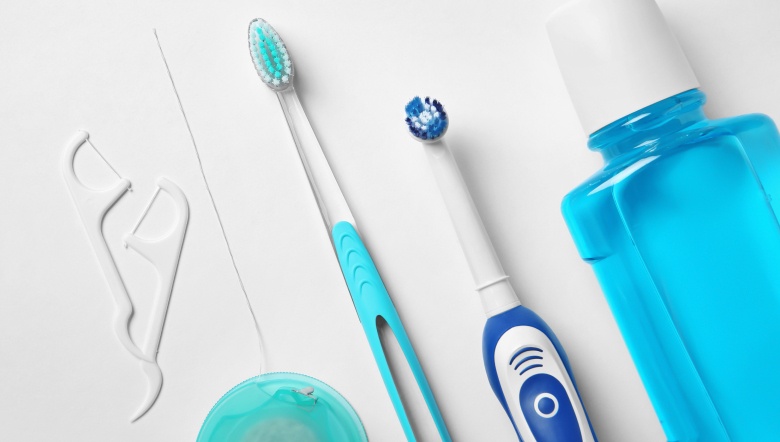
Unlocking Nature's Power: Natural Ways to Strengthen Teeth and Prevent Cavities
A dazzling smile isn't just about aesthetics; it's a reflection of overall oral health. While regular dental checkups are crucial, incorporating natural methods into your daily routine can significantly boost your teeth's strength and resilience, fighting off cavity-causing bacteria. This article explores effective, nature-based strategies to achieve a healthier, brighter smile.
Nourishing Your Teeth from the Inside Out: Dietary Choices
Your diet forms the cornerstone of strong teeth. Focus on nutrient-rich foods that provide the building blocks your enamel needs to thrive. Cheese, for instance, contains calcium and phosphate, essential minerals for remineralizationâ€"the natural process of repairing microscopic enamel damage. Similarly, leafy green vegetables such as spinach and kale are packed with vitamins and minerals that contribute to overall oral health. Avoid excessive sugary drinks and snacks; the acids they contain erode enamel, creating vulnerabilities for cavities. Remember, moderation is key. Enjoy treats occasionally, but prioritize a balanced diet filled with fruits, vegetables, and whole grains.
Harnessing Nature's Cleaning Power: Oral Hygiene Techniques
Effective cleaning is paramount in preventing cavities. While brushing and flossing are non-negotiable, exploring natural alternatives can enhance your oral hygiene routine. Consider using a toothpaste with natural ingredients like xylitol, a sugar substitute that inhibits bacterial growth. Oil pulling, an ancient Ayurvedic technique involving swishing oil (like coconut or sesame) in your mouth for several minutes, is gaining popularity for its purported ability to reduce plaque and improve oral health. However, scientific evidence supporting these claims is still developing. Regardless, maintain a meticulous brushing technique, reaching all surfaces of your teeth for at least two minutes, twice a day. Don't underestimate the power of flossing; it removes food particles and plaque from hard-to-reach areas between your teeth, preventing gum disease and cavities.
The Importance of Proper Brushing Technique
Brushing isn't just about scrubbing vigorously. Use a soft-bristled toothbrush and gentle, circular motions. Focus on each tooth individually, ensuring you clean both the outer and inner surfaces, as well as the chewing surfaces. Pay attention to your gumline, where plaque often accumulates. Replace your toothbrush every three months or sooner if the bristles become frayed.
Beyond Brushing and Flossing: Additional Natural Strategies
Several other natural methods can bolster your teeth's defenses. Regular consumption of green tea is linked to improved oral health, thanks to its antioxidant and antibacterial properties. Staying well-hydrated is also critical. Water helps wash away food particles and neutralizes acids in the mouth. Finally, consider incorporating foods rich in Vitamin D and Vitamin K2 into your diet. These vitamins play a crucial role in calcium absorption, promoting stronger bones and teeth.
Herbal Remedies: A Word of Caution
While many herbal remedies are touted for their oral health benefits, it's crucial to consult with your dentist or a qualified healthcare professional before incorporating them into your routine. Some herbal treatments may interact negatively with medications or have unintended consequences. Always prioritize evidence-based practices and consult a professional for personalized advice.
By embracing these natural approaches alongside regular dental visits, you can significantly enhance your oral health, promoting stronger teeth and a radiant smile that lasts a lifetime. Remember, consistency and a holistic approach are key to achieving optimal results.
How to Prevent Gum Inflammation and Keep Gums Strong and Healthy
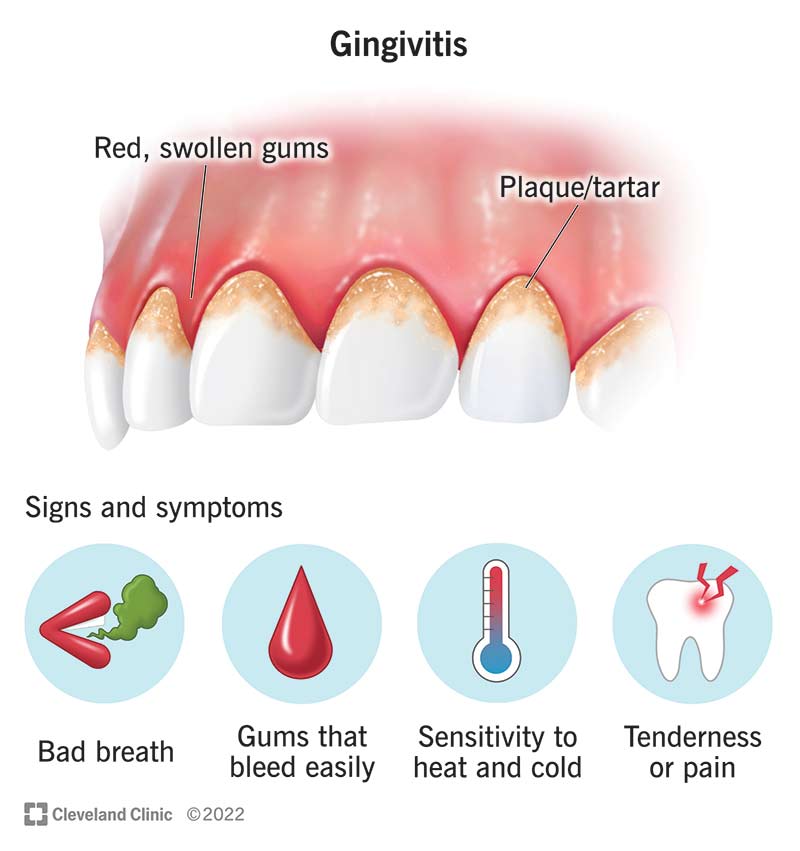
Protecting Your Gums: A Guide to Healthy Smiles
Gum health is crucial for overall oral health. Inflamed gums, or gingivitis, can lead to more serious conditions like periodontitis, which can cause tooth loss. Fortunately, you can take proactive steps to prevent gum inflammation and maintain strong, healthy gums for a lifetime. This guide provides detailed information and actionable advice to help you achieve this goal.
Mastering the Art of Brushing and Flossing
Proper brushing and flossing techniques form the cornerstone of gum health. Don't just go through the motions; master the technique. Use a soft-bristled toothbrush and gently brush at a 45-degree angle towards the gum line. Focus on each tooth individually, ensuring you clean all surfaces â€" outer, inner, and chewing surfaces. Brush for at least two minutes, twice a day, using fluoride toothpaste. A timer can be incredibly helpful in ensuring you dedicate sufficient time to this essential task. Complement your brushing with daily flossing. Gently guide the floss between each tooth, curving it around the base of each tooth to remove plaque and food particles that your toothbrush can't reach. Remember, consistent and thorough cleaning is key to preventing gum inflammation.
Dietary Choices: Fueling Gum Health
Your diet plays a significant role in gum health. A balanced diet rich in fruits, vegetables, and whole grains provides essential nutrients that support healthy gums. Limit sugary drinks and snacks, as they feed the bacteria that contribute to plaque formation and gum disease. The high sugar content creates an acidic environment in your mouth, weakening your enamel and making your gums more vulnerable to inflammation. Focus on nutrient-dense foods, including foods rich in vitamin C (like citrus fruits and strawberries), which helps to boost your immune system and strengthens your gums. Similarly, incorporating foods rich in vitamin D and calcium can contribute to overall oral health.
Regular Dental Checkups: Your Proactive Partner
Regular visits to your dentist are non-negotiable for maintaining optimal gum health. Professional cleanings remove plaque and tartar buildup that you can't remove at home, preventing gum inflammation and catching potential problems early. Your dentist can also assess your gum health, identify any early signs of gum disease, and provide personalized advice and treatment plans. These checkups aren't just about cleaning; they’re about preventative care and early detection, significantly impacting your long-term oral health.
Beyond the Basics: Additional Tips for Gum Health
- Stay Hydrated: Drinking plenty of water helps wash away food particles and bacteria, keeping your mouth clean and reducing the risk of infection.
- Quit Smoking: Smoking significantly increases your risk of gum disease. Quitting is one of the best things you can do for your overall health, including your gum health.
- Manage Stress: Chronic stress can weaken your immune system, making you more susceptible to gum disease. Practice stress-reducing techniques such as yoga, meditation, or deep breathing exercises.
- Consider an Antimicrobial Mouthwash: Your dentist can recommend an antimicrobial mouthwash that can help reduce bacteria in your mouth and further protect your gums.
By diligently following these guidelines, you can actively prevent gum inflammation and enjoy a lifetime of healthy, strong gums and a radiant smile. Remember, proactive care is the key to a healthy mouth!
How to Heal Gum Infection with a Proper Oral Care Routine
Kiss That Gum Infection Goodbye: Your Guide to Healing with a Stellar Oral Care Routine
Hey there! So, you've got a gum infection, huh? It's not fun, I know. Swollen, bleeding gums? Maybe even some throbbing pain? Ugh. But don't worry, you're not alone, and it's totally treatable. This isn't a lecture, promise! Just a friendly chat about how to get your gums back to their healthy, happy selves with a little TLC and a seriously awesome oral care routine. Let's dive in!Understanding Your Gum Infection (Gingivitis or Periodontitis?)
First things first, let's talk about what's going on. Gum infections, technically called gingivitis or periodontitis, are basically caused by a buildup of plaqueâ€"that sticky film of bacteria that forms on your teeth. If you don't remove it regularly, it irritates your gums, leading to inflammation, redness, swelling, and bleeding.Gingivitis: The Early Stage
Gingivitis is the milder form. It's reversible! Think of it as a warning sign from your gums. You might notice some redness, some bleeding when you brush, and maybe even slightly swollen gums. Catching it early is key!Periodontitis: The More Serious Stage
If gingivitis is left untreated, it can progress to periodontitis. This is a more serious infection that can actually damage the bone and tissues that support your teeth. You might experience more severe swelling, persistent bleeding, bad breath, pus, and even loose teeth. If you're experiencing any of these symptoms, see a dentist ASAP!Your New Best Friend: The Power of Brushing and Flossing
Okay, let's get down to brass tacks: the foundation of a healthy mouth is a consistent and thorough brushing and flossing routine. I know, I know, you've heard it a million times, but it’s seriously the most important thing.Brushing 101: Doing it Right
*Flossing: The Unsung Hero
Brushing alone can’t reach all those nooks and crannies between your teeth. That's where flossing comes in. *Beyond the Basics: Boosting Your Gum Health
While brushing and flossing are non-negotiable, there are a few other things you can do to supercharge your gum health and fight that infection.Mouthwash Magic
A therapeutic mouthwash, especially one recommended by your dentist, can help reduce inflammation and kill bacteria. Look for ones containing chlorhexidine or essential oils. Follow the instructions on the bottle carefully.Diet Matters!
Believe it or not, your diet plays a huge role in oral health. Focus on a balanced diet rich in fruits, vegetables, and whole grains. Limit sugary drinks and snacks, as these feed the bacteria in your mouth.Stay Hydrated
Water is your friend! It helps wash away food particles and bacteria, keeping your mouth clean and healthy.Stress Less (Easier Said Than Done, I Know)
Stress can weaken your immune system, making you more susceptible to infections, including gum disease. Find healthy ways to manage stress, such as exercise, yoga, meditation, or spending time in nature.Regular Dental Checkups
This is crucial! See your dentist for regular checkups and cleanings, at least twice a year. They can catch problems early, provide professional cleanings to remove plaque and tartar, and offer tailored advice for your specific needs.When to See a Dentist (Seriously, Don't Delay!)
If your gum infection is severe or doesn't improve with home care, it's essential to see a dentist. They can diagnose the problem accurately, provide professional treatment (like scaling and root planing for periodontitis), and rule out any other underlying issues. Don't wait until it gets worse! Early intervention is key.Commonly Asked Questions
Q: How long does it take to heal a gum infection?
A: It depends on the severity of the infection. Gingivitis often improves within a few weeks with proper home care. Periodontitis may require more extensive treatment and longer healing time.
Q: Will my gums ever be the same after a gum infection?
A: If you catch gingivitis early and treat it effectively, your gums can fully recover. With periodontitis, some damage may be permanent, but with proper treatment, you can prevent further damage and maintain healthy gums.
Q: What are the long-term consequences of untreated gum disease?
A: Untreated gum disease can lead to tooth loss, bone loss, heart disease, diabetes complications, and other serious health problems.
Q: Can I use natural remedies to treat a gum infection?
A: While some natural remedies like rinsing with salt water might offer temporary relief, they're not a replacement for professional dental care. Always consult your dentist before using any alternative treatments.
Remember, taking care of your gums isn't just about pearly whites; it's about your overall health. By following these tips and maintaining a consistent oral care routine, you can conquer that gum infection and enjoy a healthy, happy smile for years to come! And if you have any doubts or concerns, please see a dentist!
How to Heal Bleeding Gums Naturally with Natural Remedies
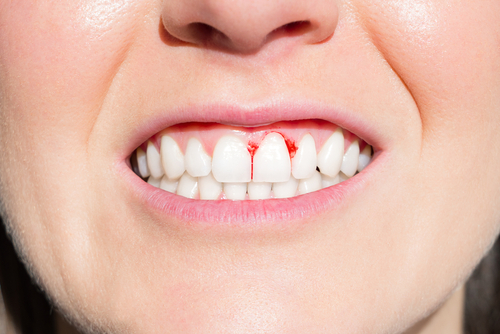
Naturally Healing Bleeding Gums: A Holistic Approach
Hey there! So, you've got bleeding gums, huh? It's not the most pleasant experience, and it can be a real worry. Before we dive into some natural remedies, let me be clear: if your bleeding gums are accompanied by other symptoms like severe pain, swelling, fever, or loose teeth, you NEED to see a dentist ASAP. This article is about exploring natural ways to *support* gum health, not replace professional dental care. Think of it as a helpful supplement, not a replacement for a checkup!
Bleeding gums are often a sign of gingivitis, the early stage of gum disease. While it's usually manageable, letting it go untreated can lead to more serious problems. So, let's get to the good stuff â€" natural ways to help soothe those irritated gums and get things back on track.
Understanding the Root of the Problem
Before we jump into remedies, it's helpful to understand *why* your gums might be bleeding. The most common culprit is poor oral hygiene. Bacteria build up on your teeth, forming plaque. This plaque irritates the gums, causing inflammation and bleeding. Other factors can contribute, such as:
- Aggressive brushing: Scrubbing too hard can damage your gums.
- Hormonal changes: Pregnancy and puberty can make gums more sensitive.
- Certain medications: Some medications can have bleeding as a side effect.
- Vitamin deficiencies: A lack of Vitamin C is particularly linked to gum problems.
- Smoking: Smoking significantly increases the risk of gum disease.
- Underlying medical conditions: Sometimes, bleeding gums can be a symptom of a more serious health issue.
Natural Remedies for Bleeding Gums
Now for the part you've been waiting for! Here are some natural remedies that can help soothe your bleeding gums and promote healing. Remember consistency is key â€" these aren't magic bullets, they work best when used regularly as part of a good oral hygiene routine.
Saltwater Rinse
This is a classic for a reason! Saltwater has natural antiseptic properties that can help reduce inflammation and kill bacteria. Simply mix ½ to ¾ teaspoon of salt in a glass of warm water and swish it around your mouth for about 30-60 seconds, then spit it out. Do this several times a day.
Hydrogen Peroxide Rinse (Use with Caution!)
Hydrogen peroxide has mild antiseptic properties and can help clean wounds. However, use it sparingly and dilute it properly. Mix a small amount (about 1 tablespoon) of 3% hydrogen peroxide with an equal amount of water. Swish gently for 30 seconds, then rinse thoroughly with plain water. Do not swallow, and don't use this rinse too frequently, as it can irritate your gums if overused.
Aloe Vera
Aloe vera is known for its soothing and anti-inflammatory properties. You can apply a small amount of pure aloe vera gel directly to your gums. Gently massage it in and let it sit for a few minutes before rinsing. You can find aloe vera gel at most health food stores or pharmacies.
Tea Tree Oil (Dilute Carefully!)
Tea tree oil possesses powerful antibacterial and anti-inflammatory properties. However, it's crucial to dilute it properly before using it in your mouth. Mix a single drop or two of tea tree oil with a tablespoon of a carrier oil, such as coconut oil, before applying it to your gums with a cotton swab. Do not swallow. Always test a small area first to check for any adverse reactions.
Clove Oil
Clove oil has been used for centuries to relieve toothaches and gum pain. Its main component, eugenol, possesses anesthetic and antiseptic qualities. You can apply a tiny drop of clove oil directly to the affected area using a cotton swab. Be extremely cautious as clove oil is potent. Too much can irritate your gums.
Improving Your Diet
What you eat plays a significant role in your gum health. Focus on a diet rich in:
- Vitamin C: Found in citrus fruits, berries, and leafy greens. Crucial for collagen production, essential for healthy gums.
- Vitamin K: Helps with blood clotting and wound healing. Found in leafy greens, broccoli, and Brussels sprouts.
- Calcium: Important for strong teeth and bones. Found in dairy products, leafy greens, and fortified foods.
Maintaining Good Oral Hygiene
No matter what natural remedies you use, maintaining impeccable oral hygiene is the cornerstone of healthy gums. Here's what you need to do:
- Brush twice a day: Use a soft-bristled toothbrush and gentle, circular motions. Don't scrub too hard!
- Floss daily: Flossing removes plaque and food particles from between your teeth, where your toothbrush can't reach.
- Use mouthwash: A therapeutic mouthwash can help reduce bacteria and inflammation.
- Visit your dentist regularly: Professional cleanings and checkups are crucial for preventing and treating gum disease.
When to See a Dentist
Remember, while natural remedies can help, they are not a replacement for professional dental care. See your dentist immediately if:
- Your gums bleed frequently and excessively.
- Your gums are swollen, red, or painful.
- You have loose teeth.
- You have persistent bad breath.
- You have a fever or other systemic symptoms.
Commonly Asked Questions
Q: How long does it take for bleeding gums to heal naturally?
A: It depends on the cause and severity. With good oral hygiene and natural remedies, you might see improvement within a week or two. However, more serious cases may require longer treatment.
Q: Can I use these remedies together?
A: You can, but be cautious about combining potent remedies like tea tree oil and hydrogen peroxide. Start with one remedy and see how your gums respond before adding others. Always follow the dilution instructions carefully.
Q: Are there any side effects to these natural remedies?
A: While generally safe when used properly, some remedies like tea tree oil and clove oil can cause irritation if used undiluted or in excess. Always dilute them properly and perform a patch test if you have sensitive skin.
Q: Why are my gums bleeding even after brushing gently?
A: If your gums are still bleeding despite gentle brushing, it's crucial to see a dentist to rule out any underlying issues.
Remember, this information is for general knowledge and shouldn't be considered medical advice. Always consult your dentist or doctor for any concerns about your oral health.
The Importance of Addressing White Gums Early for Better Health
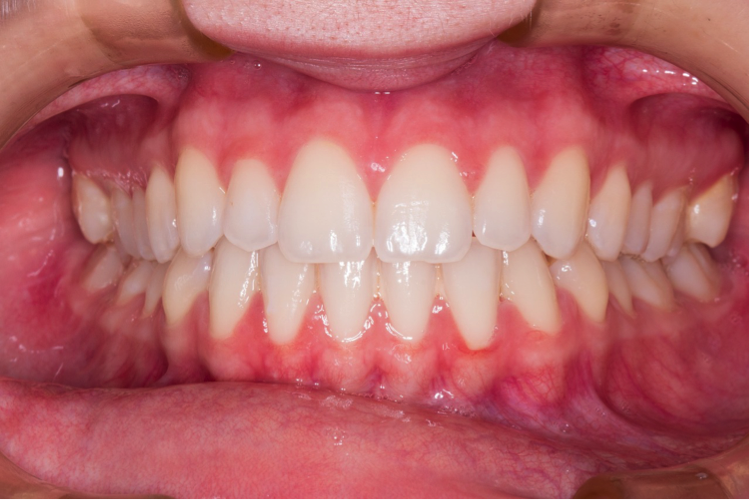
The Importance of Addressing White Gums Early for Better Health
The appearance of white gums, a condition often overlooked in the realm of oral health, can signify a range of underlying issues, some of which can have significant implications for overall well-being. While often dismissed as a mere cosmetic concern, the presence of white patches, discolorations, or areas of apparent gum recession should prompt immediate professional evaluation. Early intervention is crucial in mitigating potential complications and ensuring optimal oral and systemic health. This article explores the diverse etiologies of white gums, the potential implications for oral and general health, and emphasizes the importance of prompt diagnosis and management.
Understanding the Etiology of White Gums
The whitening of the gums, medically termed leukoplakia when referring to white patches on mucous membranes, isn't a singular condition but rather a symptom reflecting various underlying pathologies. Pinpointing the precise cause necessitates a thorough clinical examination and, in many instances, supplementary diagnostic procedures.
Infectious Agents and Inflammatory Conditions
Oral candidiasis, commonly known as thrush, is a fungal infection caused by an overgrowth of Candida albicans. This yeast-like fungus can manifest as creamy white patches on the gums, often accompanied by burning sensations and soreness. Poor oral hygiene, weakened immune systems (due to illness, medication, or age), and use of corticosteroids are key risk factors. Another inflammatory condition, lichen planus, can also present with white lacy patches on the gums, accompanied by burning and discomfort. This chronic inflammatory disease, whose etiology remains incompletely understood, can affect various mucous membranes throughout the body.
Nutritional Deficiencies
While less common, certain nutritional deficiencies can contribute to gum discoloration. Severe vitamin B deficiencies, for instance, can lead to a pale or white appearance of the gums. This highlights the intricate relationship between systemic health and oral health. A comprehensive dietary assessment, along with blood tests, might be necessary to determine the underlying nutritional deficiencies and implement corrective measures.
Medications and Systemic Diseases
Specific medications, particularly those used in chemotherapy and immunosuppression, can significantly compromise oral health, resulting in white patches or lesions on the gums. This reflects the impact of medications on the body's natural defenses against infection. Furthermore, certain systemic diseases, like diabetes and lupus, can manifest oral complications, including changes in gum color and texture. This underscores the importance of a holistic approach to patient care, integrating oral health assessment within the broader context of systemic well-being.
Mechanical and Physical Trauma
Physical trauma to the gums, such as friction from poorly fitting dentures or vigorous brushing, can lead to localized white patches. This mechanical irritation can trigger inflammation and alteration of the gum tissue’s normal appearance. A careful review of oral hygiene practices and dental appliances is necessary to identify and address any contributing factors.
Leukoplakia and Oral Cancer
Leukoplakia represents a significant concern as it encompasses a range of conditions, some benign and others potentially precancerous or cancerous. The white patches can be indicative of dysplasia (abnormal cell growth) and necessitate close monitoring and potentially biopsy to rule out malignancy. Regular dental checkups, along with prompt investigation of any persistent white lesions, are crucial in early detection and treatment of precancerous or cancerous conditions.
Implications for Oral and General Health
Neglecting the presence of white gums can have far-reaching consequences for both oral and general health. Untreated infections, like oral candidiasis, can spread and lead to more severe systemic infections, particularly in individuals with weakened immune systems. The chronic inflammation associated with conditions like lichen planus can contribute to discomfort and potentially impact eating and overall quality of life. Furthermore, the potential link between leukoplakia and oral cancer underscores the critical importance of timely diagnosis and intervention.
Oral Health Complications
The presence of white gums can lead to a cascade of oral health complications. Infections can damage the underlying tissues, leading to gum disease (gingivitis and periodontitis), tooth loss, and jawbone deterioration. Chronic inflammation can also contribute to halitosis (bad breath) and discomfort during mastication.
Systemic Health Implications
The link between oral health and systemic health is increasingly recognized. Chronic oral infections have been implicated in various systemic conditions, including cardiovascular disease, diabetes, and respiratory infections. Poor oral hygiene and untreated gum disease can lead to increased levels of inflammation markers in the bloodstream, exacerbating existing systemic issues and potentially contributing to the development of new ones.
The Importance of Early Intervention
Early diagnosis and management of white gums are paramount in preventing serious complications and ensuring optimal oral and general health. The following steps emphasize the importance of proactive care:
- Regular Dental Checkups: Routine visits to the dentist allow for early detection of any abnormalities, including changes in gum color and texture.
- Prompt Attention to Symptoms: Any persistent white patches, lesions, or unusual discolorations of the gums should prompt immediate consultation with a dentist.
- Thorough Clinical Examination: The dentist will perform a comprehensive oral examination, including visual inspection and palpation, to assess the extent and nature of the white lesions.
- Diagnostic Procedures: Depending on the clinical findings, further diagnostic procedures, such as a biopsy, may be necessary to determine the underlying cause and rule out malignancy.
- Individualized Treatment Plans: Treatment strategies vary greatly depending on the underlying cause. They can range from antifungal medications for oral candidiasis to topical corticosteroids for lichen planus or surgical removal of lesions in suspicious cases.
- Lifestyle Modifications: Maintaining optimal oral hygiene practices, including regular brushing and flossing, is crucial in preventing infections and promoting oral health. Dietary changes, as advised by a healthcare professional, might be necessary to address nutritional deficiencies.
In conclusion, the appearance of white gums should not be dismissed as a trivial cosmetic concern. It often signifies an underlying oral or systemic issue that requires prompt professional evaluation. Early intervention is critical in preventing complications, preserving oral health, and protecting overall well-being. Proactive care, including regular dental checkups and prompt attention to symptoms, is paramount in maintaining optimal oral and systemic health.
The Top Essential Oils for Bad Breath and Gum Health

The Top Essential Oils for Bad Breath and Gum Health: A Natural Approach
Okay, let's talk about something nobody really *loves* to discuss: bad breath. We all experience it from time to time, but persistent bad breath (halitosis) can be seriously embarrassing and even a sign of underlying health issues. Similarly, gum health is super important for your overall well-being. Luckily, nature offers some fantastic solutions, and essential oils are at the top of the list! I'm going to share some of the best essential oils you can use to tackle bad breath and promote healthy gums, along with how to use them safely and effectively. Get ready to breathe a sigh of relief (literally!).
Understanding the Root Causes
Before we dive into the essential oil solutions, let's quickly chat about why you might have bad breath or gum problems. Knowing the cause can help you tailor your approach and get the best results.
Bad Breath culprits:
Bad breath often stems from bacteria in your mouth breaking down food particles. This creates volatile sulfur compounds (VSCs), which are the main culprits behind that unpleasant odor. Other contributing factors include:
- Poor oral hygiene (not brushing and flossing regularly)
- Dry mouth (xerostomia)
- Certain foods (garlic, onions, etc.)
- Smoking and tobacco use
- Medical conditions (like diabetes or gum disease)
- Medications (some medications can cause dry mouth)
Gum disease (gingivitis and periodontitis):
Gum disease is an infection of the gums that can lead to serious problems like tooth loss if left untreated. Symptoms include red, swollen, bleeding gums, and persistent bad breath. Poor oral hygiene is the primary cause, but genetics and certain health conditions can also play a role.
Essential Oils to the Rescue!
Now for the good stuff â€" the essential oils that can help! Remember, essential oils are highly concentrated plant extracts, so they should always be diluted properly before use. Never ingest them unless specifically directed by a qualified aromatherapist or healthcare professional.
Tea Tree Oil: The Multi-Tasker
Tea tree oil is a powerhouse when it comes to oral health. It’s known for its potent antibacterial and antifungal properties, making it incredibly effective against the bacteria that cause bad breath and gum disease. You can add a drop or two to your toothpaste (a tiny amount!), or use it in a mouthwash (more on that later!). It can also help soothe irritated gums.
Peppermint Oil: Fresh Breath, Naturally
Peppermint oil is a classic for freshening breath. Its invigorating aroma masks bad breath temporarily, and its antibacterial properties help to tackle the underlying issue. A drop or two in your toothpaste or mouthwash can work wonders. Plus, it can leave your mouth feeling incredibly clean and refreshed!
Clove Oil: Soothing and Antibacterial
Clove oil is a natural analgesic (pain reliever) and has strong antibacterial properties. This makes it particularly helpful for soothing sore gums and fighting the bacteria contributing to gum disease and bad breath. It also has a warm, spicy aroma that can help mask unpleasant odors. Use it sparingly, though, as it can be quite potent.
Eucalyptus Oil: A Breath of Fresh Air
Eucalyptus oil is another excellent choice for its antibacterial and antiseptic properties. It can help to fight the bacteria that cause bad breath and gum disease, and its refreshing scent leaves your breath feeling clean. Similar to peppermint, it offers a great temporary solution for bad breath.
Lemon Oil: Brightening and Cleansing
Lemon oil is known for its brightening and cleansing properties. It can help to naturally whiten teeth and freshen breath, although it's important to use it sparingly as it can be acidic. It is better to use it as a mouth rinse diluted with water rather than applying it directly to the teeth.
DIY Essential Oil Mouthwashes and Toothpastes
Now, let’s get practical! Here are some simple DIY recipes to incorporate these essential oils into your oral care routine. Remember to always do a patch test on a small area of skin before applying anything new to your mouth to check for sensitivities.
DIY Mouthwash Recipe
Ingredients:
- 1 cup of water (filtered is best)
- 1 teaspoon of coconut oil (for added antibacterial benefits)
- 1-2 drops of tea tree oil
- 1-2 drops of peppermint oil
Instructions: Combine all ingredients in a bottle and shake well. Swish a tablespoon in your mouth for 30 seconds to a minute, then spit it out. Do not swallow. Store in the refrigerator.
DIY Toothpaste Additive
This isn't a full toothpaste replacement, but a beneficial addition to your current toothpaste. Add 1-2 drops of your chosen essential oil (peppermint, tea tree, or clove are good choices) to a small amount of your regular toothpaste. Brush as usual. Remember, less is more with essential oils!
Important Considerations
While essential oils offer a natural approach, they're not a replacement for good oral hygiene. Brushing and flossing twice a day are still crucial for preventing bad breath and gum disease. Regular dental checkups are also essential for maintaining optimal oral health. And if you have any existing oral health concerns, definitely consult your dentist before using essential oils.
Also, remember that essential oils should only be used topically and diluted. Never ingest them unless specifically advised by a healthcare professional. Some individuals might be allergic to certain essential oils, so always perform a patch test before widespread use.
Commonly Asked Questions
Here are some frequently asked questions about using essential oils for bad breath and gum health:
Q: How often can I use essential oil mouthwash?
A: You can use an essential oil mouthwash once or twice a day, but don't overuse it. Overuse could irritate your mouth or harm your teeth.
Q: Can I use essential oils to treat existing gum disease?
A: Essential oils can help *support* the treatment of gum disease by fighting bacteria, but they aren't a cure. You must continue to see your dentist for professional treatment of gum disease.
Q: Are essential oils safe for children?
A: Use extreme caution with children. Always dilute essential oils significantly before use and consult with a pediatrician or healthcare professional before using essential oils on children.
Q: What if I experience irritation or an allergic reaction?
A: Stop using the essential oil immediately and consult a doctor or dentist if you experience any adverse reactions, such as irritation, burning, or allergic reactions.
Remember, these tips are for informational purposes only, and they are not a substitute for professional dental advice. Always consult with your dentist or doctor for any concerns about your oral health.
Best Natural Solutions for Maintaining Healthy Gums

Best Natural Solutions for Maintaining Healthy Gums
Maintaining healthy gums is paramount for overall oral health and well-being. Gum disease, or periodontal disease, is a prevalent condition that can lead to tooth loss if left untreated. While professional dental care is essential, incorporating natural solutions into your daily routine can significantly enhance gum health and contribute to a vibrant smile. This article explores a range of natural approaches, backed by evidence where available, to support the maintenance of healthy gums.
The Importance of Gum Health
The gums, or gingiva, are the soft tissues surrounding the teeth. Healthy gums are firm, pink, and bleed minimally, if at all. Inflammation of the gums, known as gingivitis, is the initial stage of gum disease. If left untreated, gingivitis can progress to periodontitis, a more severe form characterized by the destruction of the supporting tissues and bone surrounding the teeth. This can ultimately result in tooth mobility, loosening, and eventual loss. Furthermore, research increasingly links gum disease to systemic health issues, including cardiovascular disease, diabetes, and respiratory infections. Therefore, proactive measures to protect gum health are crucial.
Dietary Strategies for Gum Health
Nutrition plays a fundamental role in maintaining strong and healthy gums. A balanced diet rich in essential nutrients provides the building blocks necessary for tissue repair and regeneration. Specific dietary choices can significantly impact gum health:
Fruits and Vegetables Rich in Antioxidants
Antioxidants combat oxidative stress, a process that contributes to inflammation. Fruits and vegetables high in vitamins C and E, such as berries, citrus fruits, leafy greens, and bell peppers, are particularly beneficial. These vitamins act as powerful antioxidants, protecting gum tissues from damage and reducing the risk of inflammation.
Foods Rich in Vitamin K
Vitamin K is essential for blood clotting. Adequate levels of Vitamin K are crucial for maintaining healthy gums and reducing bleeding during brushing. Leafy green vegetables, such as kale and spinach, are excellent sources of Vitamin K.
Foods High in Calcium and Phosphorus
Calcium and phosphorus are vital for maintaining strong bones and teeth. These minerals also contribute to the overall health of the supporting structures of the teeth, thus indirectly supporting healthy gums. Dairy products, nuts, and seeds are good sources of calcium and phosphorus.
Natural Remedies and Herbal Approaches
Several natural remedies and herbal approaches have demonstrated potential benefits for gum health. However, it's crucial to note that these should be considered complementary therapies and not replacements for professional dental care.
Aloe Vera
Aloe vera gel possesses anti-inflammatory and antibacterial properties. Studies suggest that applying aloe vera gel to the gums can help reduce inflammation and alleviate discomfort associated with gingivitis. However, more research is needed to establish its long-term efficacy.
Green Tea
Green tea contains polyphenols, potent antioxidants with anti-inflammatory effects. Drinking green tea regularly has been associated with improved gum health, potentially reducing the risk of periodontal disease. The catechins in green tea exhibit antibacterial activity, helping to combat harmful bacteria in the mouth.
Salt Water Rinses
Rinsing the mouth with warm salt water is a simple, yet effective home remedy for soothing irritated gums. The salt helps to draw out excess fluid and reduce inflammation. It also possesses mild antiseptic properties, helping to kill bacteria. This rinse can be particularly beneficial after dental procedures or when experiencing gum irritation.
Oil Pulling
Oil pulling, an ancient Ayurvedic practice, involves swishing a tablespoon of oil (typically coconut or sesame) in the mouth for 10-20 minutes before spitting it out. While anecdotal evidence suggests potential benefits for gum health, scientific evidence supporting its effectiveness is limited. More rigorous studies are needed to confirm its efficacy.
Lifestyle Modifications for Optimal Gum Health
Beyond dietary choices and natural remedies, lifestyle modifications play a significant role in maintaining healthy gums.
Maintaining Excellent Oral Hygiene
Meticulous oral hygiene is paramount for preventing gum disease. This includes brushing twice daily with fluoride toothpaste, using interdental cleaning aids like floss or interdental brushes to remove plaque from between teeth, and rinsing with an antimicrobial mouthwash as directed by a dentist.
Quitting Smoking
Smoking is a major risk factor for gum disease. Smoking impairs the body's ability to heal and fight infection, making individuals more susceptible to gum disease and hindering treatment outcomes. Quitting smoking is crucial for protecting gum health.
Stress Management
Stress can exacerbate inflammation throughout the body, including in the gums. Practicing stress-reduction techniques, such as yoga, meditation, or deep breathing exercises, can help to maintain overall health and reduce the risk of gum inflammation.
Seeking Professional Dental Care
While natural solutions can contribute to maintaining healthy gums, they should be considered supplementary to professional dental care. Regular dental checkups and cleanings are essential for early detection and treatment of gum disease. A dentist can assess gum health, provide professional cleaning to remove plaque and tartar buildup, and address any underlying issues. They can also offer guidance on personalized oral hygiene strategies and recommend appropriate treatments if gum disease is present.
Conclusion
Maintaining healthy gums requires a holistic approach encompassing dietary choices, natural remedies, lifestyle modifications, and regular professional dental care. By incorporating these strategies, individuals can significantly reduce their risk of gum disease and maintain a healthy, vibrant smile for life. It’s vital to remember that this information should not replace professional advice. Consulting with a dentist or periodontist is crucial for personalized guidance and treatment of any gum-related concerns.
How Xylitol and Probiotics Support Gum Health and Oral Hygiene

Xylitol and Probiotics: Synergistic Support for Gum Health and Oral Hygiene
Maintaining optimal oral hygiene is paramount for overall health. Dental caries (cavities) and periodontal diseases, including gingivitis and periodontitis, represent significant global health concerns, impacting quality of life and incurring substantial healthcare costs. While traditional approaches to oral hygiene, such as brushing and flossing, remain crucial, emerging research highlights the significant potential of novel therapeutic agents in enhancing oral health. Among these, xylitol and probiotics stand out as promising adjuncts, offering a synergistic approach to preventing and managing oral diseases.
Xylitol: A Sugar Alcohol with Anti-cariogenic Properties
Xylitol, a naturally occurring sugar alcohol found in various fruits and vegetables, possesses unique properties that make it a valuable tool in oral hygiene. Unlike sucrose (table sugar), which serves as a primary energy source for cariogenic bacteria (bacteria that cause cavities), xylitol exhibits anti-cariogenic effects through several mechanisms:
Inhibition of Bacterial Adherence and Growth
Xylitol effectively inhibits the adherence of Streptococcus mutans, a primary causative agent of dental caries, to tooth surfaces. This reduced adherence limits the formation of dental plaque, a biofilm comprised of bacteria, saliva, and food debris that contributes significantly to caries development. Furthermore, xylitol interferes with the bacterial metabolism of S. mutans, inhibiting its growth and acid production.
Reduced Acid Production and Increased pH
The consumption of sucrose by cariogenic bacteria leads to the production of lactic acid, which demineralizes tooth enamel, initiating the caries process. Xylitol, however, cannot be effectively metabolized by these bacteria. This metabolic inhibition leads to reduced acid production and a subsequent increase in the pH of dental plaque. A more alkaline environment inhibits demineralization and promotes remineralization of the tooth enamel, thereby strengthening tooth structure.
Stimulation of Saliva Production
Saliva plays a crucial role in maintaining oral health. It acts as a buffer, neutralizing acids; it washes away food debris and bacteria; and it contains various antimicrobial components. Studies have indicated that xylitol can stimulate saliva production, further enhancing the mouth's natural defense mechanisms against caries.
Clinical Evidence for Xylitol's Effectiveness
Numerous clinical trials have demonstrated the effectiveness of xylitol in preventing and reducing dental caries. Studies have shown significant reductions in caries incidence in children and adults who regularly consume xylitol-containing products, such as chewing gum or lozenges. The recommended dosage and frequency vary depending on the individual and the specific product used, but consistent use generally yields the best results.
Probiotics: Restoring the Oral Microbiome Balance
The oral cavity harbors a complex and dynamic ecosystem of microorganisms, collectively known as the oral microbiome. A balanced microbiome, characterized by a diverse community of beneficial bacteria, contributes to oral health. However, disruptions in this balance, often termed dysbiosis, can lead to the proliferation of pathogenic bacteria and the development of oral diseases.
Mechanism of Action of Probiotics in Oral Health
Probiotics, defined as live microorganisms that confer a health benefit on the host when administered in adequate amounts, are increasingly recognized for their potential in improving oral health. Their beneficial effects are mediated through several mechanisms:
Specific Probiotic Strains and their Oral Health Benefits
Several probiotic strains have demonstrated promising results in improving oral health. Lactobacillus species, such as L. rhamnosus and L. salivarius, and Streptococcus species, such as S. salivarius K12, are among the most commonly studied strains. These bacteria have shown effectiveness in reducing plaque formation, gingivitis, and halitosis (bad breath).
Delivery Systems for Oral Probiotics
Effective delivery of probiotics to the oral cavity is crucial for achieving optimal benefits. Various delivery systems are being explored, including chewing gums, lozenges, mouthwashes, and toothpastes. The choice of delivery system depends on the specific probiotic strain, its stability, and patient compliance.
Synergistic Effects of Xylitol and Probiotics
The combined use of xylitol and probiotics offers a potentially synergistic approach to enhancing oral health. Xylitol's anti-cariogenic properties, coupled with probiotics' ability to modulate the oral microbiome and bolster the host's immune response, can provide a more comprehensive approach to preventing and managing oral diseases than either agent alone.
Xylitol creates an environment less hospitable to cariogenic bacteria, while probiotics actively work to establish a beneficial microbial community. This combined effect can lead to a more significant reduction in plaque formation, acid production, and the overall risk of caries and periodontal disease. Further research is needed to fully elucidate the synergistic interactions between xylitol and probiotics and to optimize their combined use for maximal efficacy.
Conclusion
Xylitol and probiotics represent promising additions to the arsenal of tools available for improving oral hygiene and preventing oral diseases. Their distinct yet complementary mechanisms of action suggest a potential for synergistic effects when used together. While further research is needed to fully understand their combined efficacy and to optimize their application, the available evidence strongly supports their role as valuable adjuncts to traditional oral hygiene practices, contributing to improved oral health and overall well-being.
It is important to note that while both xylitol and probiotics generally offer safe and effective solutions for oral health, individual responses can vary. Consultations with a dentist or healthcare professional are recommended before incorporating xylitol or probiotic products into your oral hygiene regimen, particularly for individuals with pre-existing health conditions.
How to Incorporate Mouthwash into Your Routine for Better Breath
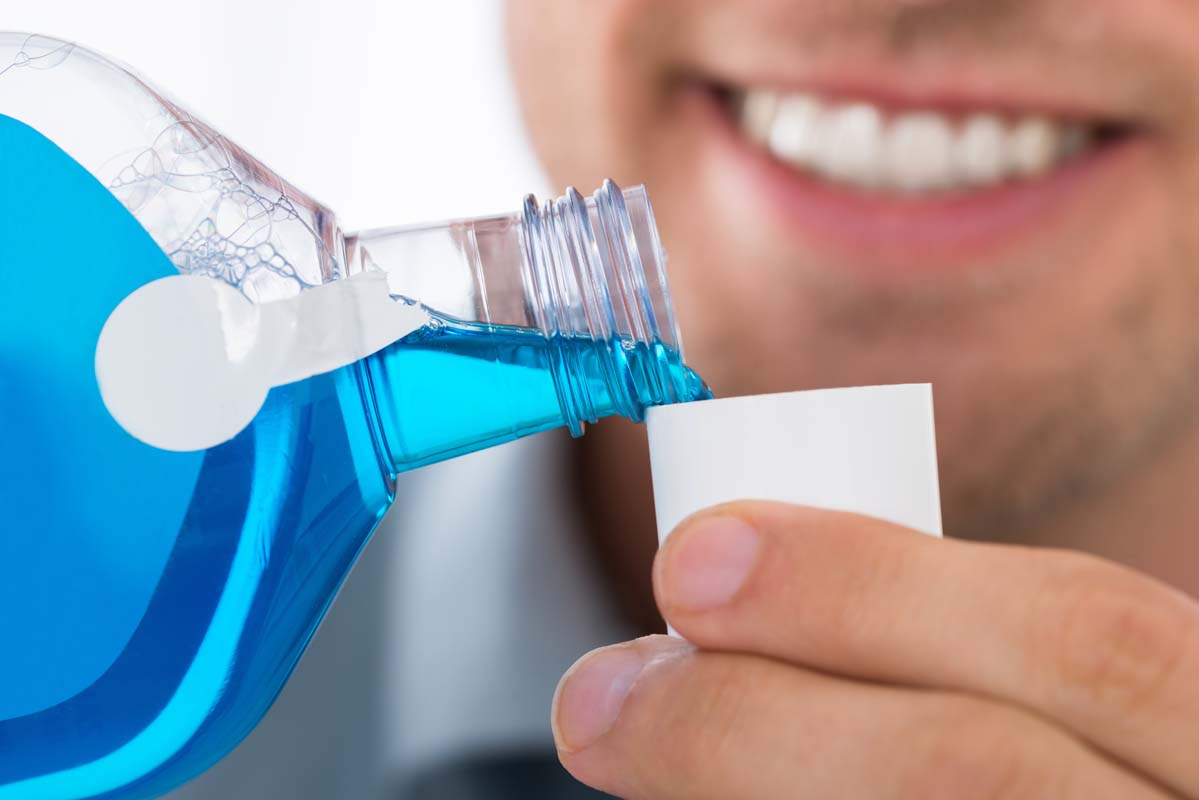
Unlocking Fresh Breath: Your Guide to Mastering Mouthwash
Let's be honest, nobody wants bad breath. It's awkward, it can be embarrassing, and it can even affect your confidence. While brushing and flossing are the cornerstones of good oral hygiene, incorporating mouthwash into your routine can seriously level up your breath game. But with so many options on the shelves, it can be tricky to know where to start. This guide is designed to help you navigate the world of mouthwash and find the perfect fit for your needs. Get ready to say goodbye to stinky breath and hello to fresh, confident smiles!
Understanding the Power of Mouthwash
Mouthwash isn't just a quick fix for bad breath â€" it's a powerful tool in your arsenal for overall oral health. Think of it as a supplemental superhero to your toothbrush and floss. While brushing removes food particles and plaque from the surfaces of your teeth, and flossing reaches those tricky-to-reach areas between your teeth, mouthwash tackles what those two might miss. It swishes around your mouth, reaching every nook and cranny, eliminating lingering bacteria and neutralizing odor-causing compounds.
Different types of mouthwash offer different benefits. Some focus on fighting bacteria, others target gingivitis (gum inflammation), and some even help whiten your teeth. Let's dive into the different types so you can choose the best one for you.
Therapeutic Mouthwashes: The Heavy Hitters
These are the power players in the mouthwash world. They often contain ingredients like chlorhexidine or cetylpyridinium chloride, which are potent antibacterial agents. These mouthwashes are usually prescribed by dentists to treat specific conditions like gingivitis, periodontitis (gum disease), or after oral surgery. They're seriously effective at killing bacteria, but it's important to use them only as directed by your dentist because long-term use can sometimes stain your teeth or alter the natural balance of your mouth's bacteria.
Cosmetic Mouthwashes: The Fresh Breath Boosters
These are the everyday champions, focusing primarily on freshening breath and providing a pleasant taste. They often contain alcohol to help kill bacteria, along with flavoring agents to leave your mouth feeling clean and refreshed. While they do a great job of masking bad breath temporarily, they aren't as potent as therapeutic mouthwashes when it comes to fighting gum disease. Look for alcohol-free versions if you have sensitive gums or are concerned about the drying effects of alcohol.
Mouthwashes with Added Benefits: The Multitaskers
The mouthwash market is constantly evolving, offering more and more specialized products. You can now find mouthwashes with added benefits like whitening agents, fluoride to strengthen enamel, or even ingredients designed to reduce sensitivity. These are great options if you want to address multiple oral health concerns at once.
Incorporating Mouthwash into Your Daily Routine
Timing is key when it comes to mouthwash. The best time to use it is after brushing and flossing, typically twice a day (morning and evening). This way, you're maximizing its effectiveness by clearing away food debris and plaque before allowing the mouthwash to work its magic.
Here's a step-by-step guide:
- Brush your teeth for two minutes using fluoride toothpaste.
- Floss gently between your teeth to remove any trapped food particles.
- Rinse your mouth with water to remove any leftover toothpaste or food particles.
- Pour the recommended amount of mouthwash into a cup.
- Swirl the mouthwash around your mouth for 30-60 seconds, making sure to reach all areas.
- Spit out the mouthwash thoroughly.
- Avoid rinsing with water after using mouthwash, as this can dilute its effectiveness.
Important Note: Always follow the instructions on the mouthwash bottle. Some mouthwashes require you to dilute them with water, while others should be used undiluted.
Choosing the Right Mouthwash for You
Selecting the right mouthwash depends on your specific needs and preferences. Consider these factors:
- Your oral health goals: Are you primarily aiming for fresh breath, treating gingivitis, or whitening your teeth?
- Your sensitivity level: Some mouthwashes contain alcohol, which can be drying or irritating for those with sensitive gums. Look for alcohol-free options if you have sensitive teeth or gums.
- Your taste preferences: Mouthwashes come in a wide variety of flavors, so choose one you enjoy to ensure you'll use it consistently.
- Your dentist's recommendation: Your dentist can provide personalized advice based on your individual oral health needs and any existing conditions.
Don't be afraid to experiment with different brands and types of mouthwash until you find one that works best for you.
Beyond the Basics: Maximizing the Benefits of Mouthwash
To truly unlock the full potential of your mouthwash, consider these tips:
- Maintain a healthy diet: What you eat and drink directly impacts your breath. Limit sugary drinks and foods that contribute to bacteria growth.
- Stay hydrated: Drinking plenty of water helps wash away food particles and keeps your mouth moist, preventing dry mouth, which often leads to bad breath.
- Quit smoking: Smoking is a major contributor to bad breath and various oral health problems.
- Regular dental checkups: Visit your dentist for regular cleanings and checkups to address any underlying oral health issues that might be contributing to bad breath.
Commonly Asked Questions
Q: Can I use mouthwash instead of brushing and flossing?
A: Absolutely not! Mouthwash is a supplement to brushing and flossing, not a replacement. Brushing and flossing are essential for removing plaque and food particles from your teeth and gums.
Q: Is it okay to swallow mouthwash?
A: No, mouthwash is not meant to be swallowed. Always spit it out thoroughly after use.
Q: How often should I use mouthwash?
A: Most mouthwashes are designed for twice-daily use, but always check the product instructions.
Q: My mouthwash burns. Is that normal?
A: Some mouthwashes, especially those containing alcohol, can cause a burning sensation. If the burning is excessive or uncomfortable, switch to an alcohol-free formula or consult your dentist.
Q: Can mouthwash whiten my teeth?
A: Some mouthwashes contain whitening agents, but they are not as effective as professional whitening treatments from your dentist. They might help maintain whiteness but won't dramatically change your teeth color.
Q: My breath still smells bad even after using mouthwash. What should I do?
A: Persistent bad breath can be a sign of an underlying medical condition. See your dentist or doctor to rule out any serious issues.
Remember, maintaining good oral hygiene is a team effort. By combining regular brushing, flossing, and strategic mouthwash use, you’ll be well on your way to a healthier, fresher smile!