Monday, 27 January 2025
The Power of Probiotics for Healthier Gums and Stronger Teeth

The Power of Probiotics for Healthier Gums and Stronger Teeth
For centuries, we've understood the importance of brushing and flossing for oral hygiene. But a groundbreaking area of research shines a light on a powerful ally in the fight for healthier gums and stronger teeth: probiotics. These beneficial bacteria, naturally residing in our gut and increasingly found in oral care products, offer a compelling new approach to enhancing oral health. They don't just clean teeth; they actively support the delicate balance of the oral microbiome, fostering a healthier environment that resists harmful bacteria responsible for gum disease and tooth decay.
Understanding the Oral Microbiome and its Impact
Your mouth teems with a complex community of microorganisms â€" a dynamic ecosystem we call the oral microbiome. This intricate mix of bacteria, viruses, and fungi influences everything from gum health to overall well-being. A balanced microbiome, with a healthy diversity of bacteria, protects against harmful species. However, an imbalance, often triggered by poor oral hygiene, diet, or systemic health issues, can lead to a proliferation of harmful bacteria. These harmful bacteria produce acids that erode tooth enamel, causing cavities, and also trigger inflammation in the gums, leading to gingivitis and, potentially, periodontitis â€" a serious gum disease linked to systemic health problems.
How Probiotics Tip the Scales in Your Favor
Probiotics work by directly influencing the oral microbiome. They compete with harmful bacteria for resources and space, effectively reducing their numbers and minimizing their harmful effects. Imagine it as a friendly army bolstering your defenses against invading pathogens. This competitive exclusion helps prevent the buildup of plaque and tartar, major contributors to gum disease. Furthermore, some probiotics produce substances that directly inhibit the growth of harmful bacteria, adding another layer of protection to your teeth and gums.
Specific Probiotic Strains and Their Benefits
Research highlights several probiotic strains showing promise in improving oral health. These include:
- Lactobacillus species: These are well-known for their beneficial effects in the gut and show potential in reducing plaque and gingivitis.
- Streptococcus salivarius K12: This strain exhibits strong antimicrobial properties, directly combating harmful bacteria in the mouth.
- Weissella cibaria: Studies suggest this probiotic can reduce inflammation and improve gum health.
It's important to note that the research on specific probiotic strains and their impact on oral health is ongoing, but the early results are undeniably encouraging.
Incorporating Probiotics into Your Oral Hygiene Routine
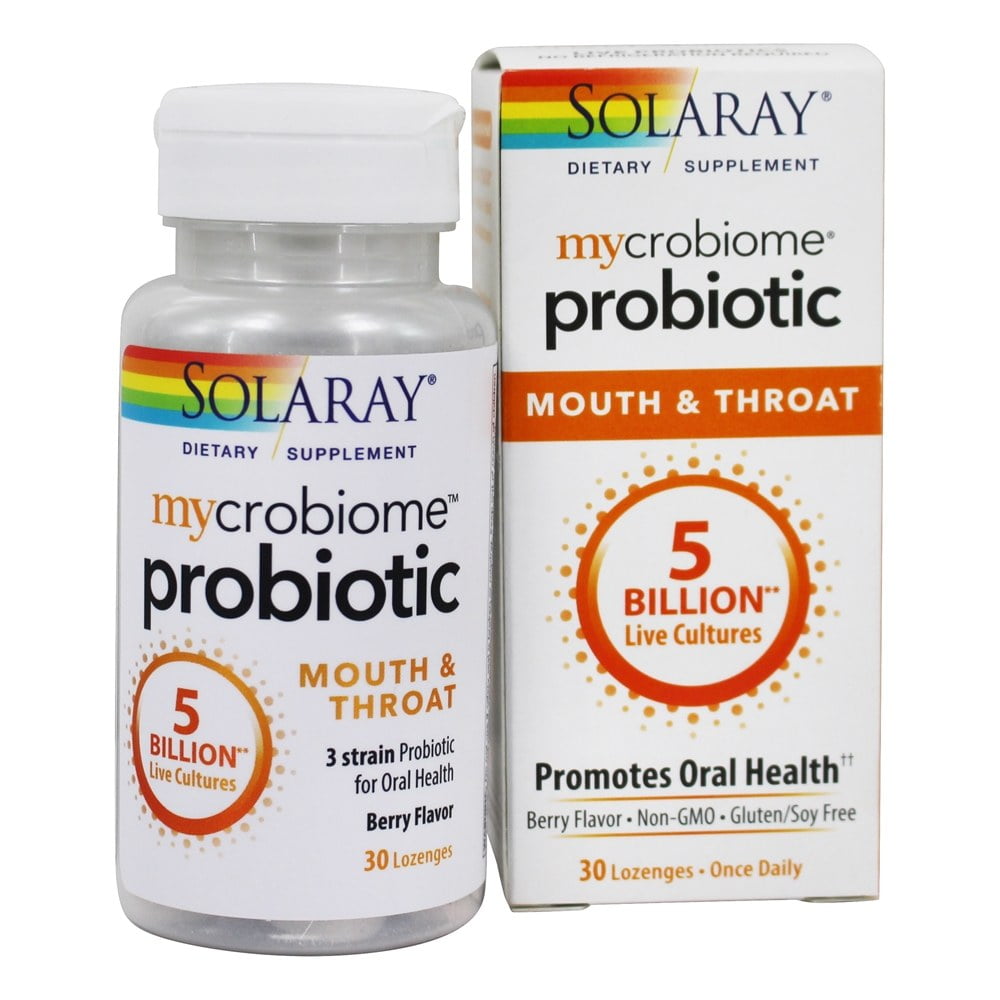
Integrating probiotics into your oral care routine is relatively straightforward. You can find probiotic-containing mouthwashes, toothpastes, and even lozenges readily available on the market. However, it is crucial to select products that clearly state the specific probiotic strains they contain and their concentrations. Don't just rely on vague claims; look for evidence-based formulations.
Beyond Probiotic Products
While probiotic oral care products offer a convenient way to introduce beneficial bacteria into your mouth, remember that a comprehensive oral hygiene approach remains paramount. Continue to brush and floss twice daily, using fluoride toothpaste. Maintain a balanced diet rich in fruits, vegetables, and whole grains, and schedule regular checkups with your dentist. Probiotics represent a valuable addition to your oral health arsenal, not a replacement for fundamental good hygiene practices.
The power of probiotics in promoting healthier gums and stronger teeth is becoming increasingly clear. By understanding the role of the oral microbiome and actively supporting its balance with beneficial bacteria, we can proactively safeguard our oral health and contribute to a brighter, healthier smile for years to come.

The Best Probiotics for Preventing Bad Breath and Improving Dental Hygiene
The Best Probiotics for Preventing Bad Breath and Improving Dental Hygiene
Halitosis, commonly known as bad breath, affects a significant portion of the population. While various factors contribute to its development, an imbalance in the oral microbiome plays a crucial role. This imbalance, often characterized by an overgrowth of harmful bacteria, leads to the production of volatile sulfur compounds (VSCs) responsible for the unpleasant odor. Fortunately, the emerging field of probiotic dentistry offers a promising approach to combatting halitosis and improving overall dental hygiene through the strategic introduction of beneficial bacteria. This article explores the best probiotics for preventing bad breath and enhancing oral health.
Understanding the Oral Microbiome and its Role in Halitosis
The human mouth harbors a complex ecosystem of microorganisms, collectively known as the oral microbiome. This diverse community comprises bacteria, archaea, fungi, and viruses, all interacting in a dynamic equilibrium. A healthy oral microbiome is characterized by a balanced composition of beneficial and harmful bacteria. However, various factors can disrupt this balance, leading to dysbiosisâ€"an overgrowth of harmful bacteria and a reduction in beneficial species. This dysbiosis is a significant contributor to various oral health problems, including halitosis.
The Role of Harmful Bacteria in Bad Breath
Specific bacteria, particularly Gram-negative anaerobic bacteria such as Porphyromonas gingivalis, Prevotella intermedia, and Tannerella forsythia, are strongly implicated in the development of halitosis. These bacteria thrive in anaerobic (oxygen-poor) environments, such as those found in periodontal pockets and between teeth. Their metabolism produces volatile sulfur compounds (VSCs), primarily hydrogen sulfide, methyl mercaptan, and dimethyl sulfide, which are the primary culprits behind the unpleasant odor of bad breath.
The Protective Role of Beneficial Bacteria
Conversely, beneficial bacteria in the oral microbiome play a crucial role in maintaining oral health and preventing halitosis. These bacteria compete with harmful bacteria for nutrients and space, thus limiting their growth and the production of VSCs. They also produce substances that inhibit the growth of harmful bacteria or directly neutralize VSCs. Furthermore, some beneficial bacteria contribute to the overall integrity of the oral mucosa, strengthening the defenses against infection and inflammation.
Probiotics and their Mechanisms of Action in Oral Health
Probiotics, defined as live microorganisms that confer a health benefit on the host when administered in adequate amounts, offer a promising avenue for improving oral health and preventing halitosis. Their mechanisms of action in the oral cavity are multifaceted and include:
- Competitive exclusion: Probiotics compete with harmful bacteria for nutrients and adhesion sites on the tooth surface and gingival tissues, thereby reducing their colonization and growth.
- Production of antimicrobial substances: Certain probiotics produce bacteriocins and other antimicrobial compounds that inhibit the growth of specific harmful bacteria, including VSC-producing species.
- Modulation of the immune response: Probiotics can modulate the host's immune response, reducing inflammation and promoting tissue repair in the oral mucosa.
- Neutralization of VSCs: Some probiotics may directly neutralize VSCs, reducing their concentration in the oral cavity and thereby minimizing bad breath.
- Improvement of saliva quality: Probiotics can positively influence saliva composition and properties, creating a less hospitable environment for harmful bacteria.
Specific Probiotic Strains for Oral Health
While research is ongoing, several probiotic strains have shown promise in improving oral health and combating halitosis. It's crucial to note that the effectiveness of a probiotic strain can vary depending on several factors, including the individual's oral microbiome, dosage, and formulation.
Lactobacillus species
Several Lactobacillus species, including Lactobacillus rhamnosus, Lactobacillus salivarius, and Lactobacillus reuteri, have demonstrated beneficial effects on oral health. These strains exhibit antimicrobial activity against various pathogenic bacteria and can modulate the immune response, contributing to a healthier oral environment. Some studies have shown a reduction in gingivitis and plaque accumulation with the use of Lactobacillus-based probiotics.
Streptococcus salivarius K12
Streptococcus salivarius K12 is a particularly well-studied probiotic strain with a strong track record in improving oral health. It has demonstrated effectiveness in reducing halitosis by inhibiting the growth of VSC-producing bacteria and promoting the growth of beneficial species. This strain is often included in commercially available oral probiotics.
Weissella cibaria
Weissella cibaria is another promising probiotic strain with potential benefits for oral health. Studies suggest it may contribute to the reduction of plaque and gingivitis by inhibiting the growth of harmful bacteria and modulating the immune response.
Choosing and Using Probiotic Products for Oral Health
When selecting a probiotic product for oral health, several factors should be considered:
- Strain specificity: Look for products that specify the strains included, ideally those with research supporting their efficacy in oral health, such as S. salivarius K12, L. rhamnosus, L. salivarius, or L. reuteri.
- Dosage: The product should provide a sufficient dosage of live bacterial cells to achieve the desired effect. Consult the product labeling and any supporting research.
- Formulation: Consider the formulation of the product. Lozenges, chewing gums, or mouthwashes may be more convenient than capsules or tablets for oral delivery.
- Storage and shelf life: Ensure the product is stored properly to maintain the viability of the probiotic strains. Check the expiration date before use.
- Reputable manufacturer: Choose a reputable manufacturer with a commitment to quality control and testing.
It's important to remember that probiotics are not a replacement for good oral hygiene practices. Maintaining a consistent routine of brushing, flossing, and regular dental checkups remains crucial for optimal oral health. Probiotics should be considered a complementary approach to enhance the effectiveness of traditional oral hygiene practices.
Conclusion
The use of probiotics holds significant promise for preventing bad breath and improving overall dental hygiene. By strategically introducing beneficial bacteria into the oral cavity, we can help restore the balance of the oral microbiome, reduce the population of harmful bacteria, and create a more favorable environment for oral health. While further research is needed to fully elucidate the mechanisms of action and optimal strains for various oral conditions, the evidence suggests that probiotics can be a valuable addition to a comprehensive oral hygiene regimen. Consult with your dentist or a healthcare professional to determine if probiotics are appropriate for your individual needs and to discuss any potential interactions with other medications or supplements.
Natural Ways to Cure Chronic Bad Breath
Conquering Chronic Bad Breath: Natural Solutions for a Fresher You
Persistent bad breath, or halitosis, can be a significant social and emotional burden. While many reach for commercial mouthwashes, a more holistic approach focusing on natural remedies can offer long-term solutions and address the root causes of the problem. This article explores effective, natural ways to conquer chronic bad breath and achieve lasting freshness.
Understanding the Root of the Problem
Before diving into solutions, understanding the source of your bad breath is crucial. Often, it stems from bacteria accumulating in the mouth, breaking down food particles and producing volatile sulfur compounds (VSCs) â€" the culprits behind that unpleasant odor. However, underlying medical conditions, such as gum disease (periodontal disease), dry mouth (xerostomia), or even certain dietary choices, can also contribute. Identifying the root cause allows for a targeted and effective treatment plan.
Natural Remedies for Fresh Breath
Mastering Oral Hygiene
Thorough and consistent oral hygiene is the cornerstone of fresh breath. This isn't just about brushing twice a day; it's about technique. Use a soft-bristled toothbrush and brush gently in a circular motion for at least two minutes, ensuring you reach all surfaces of your teeth and gums. Don't forget your tongue! Bacteria love to accumulate on the tongue's surface, so gently scrape or brush your tongue daily to remove this breeding ground for odor-causing microbes. Consider using an antimicrobial tongue scraper for even better results.
Harnessing the Power of Herbs and Spices
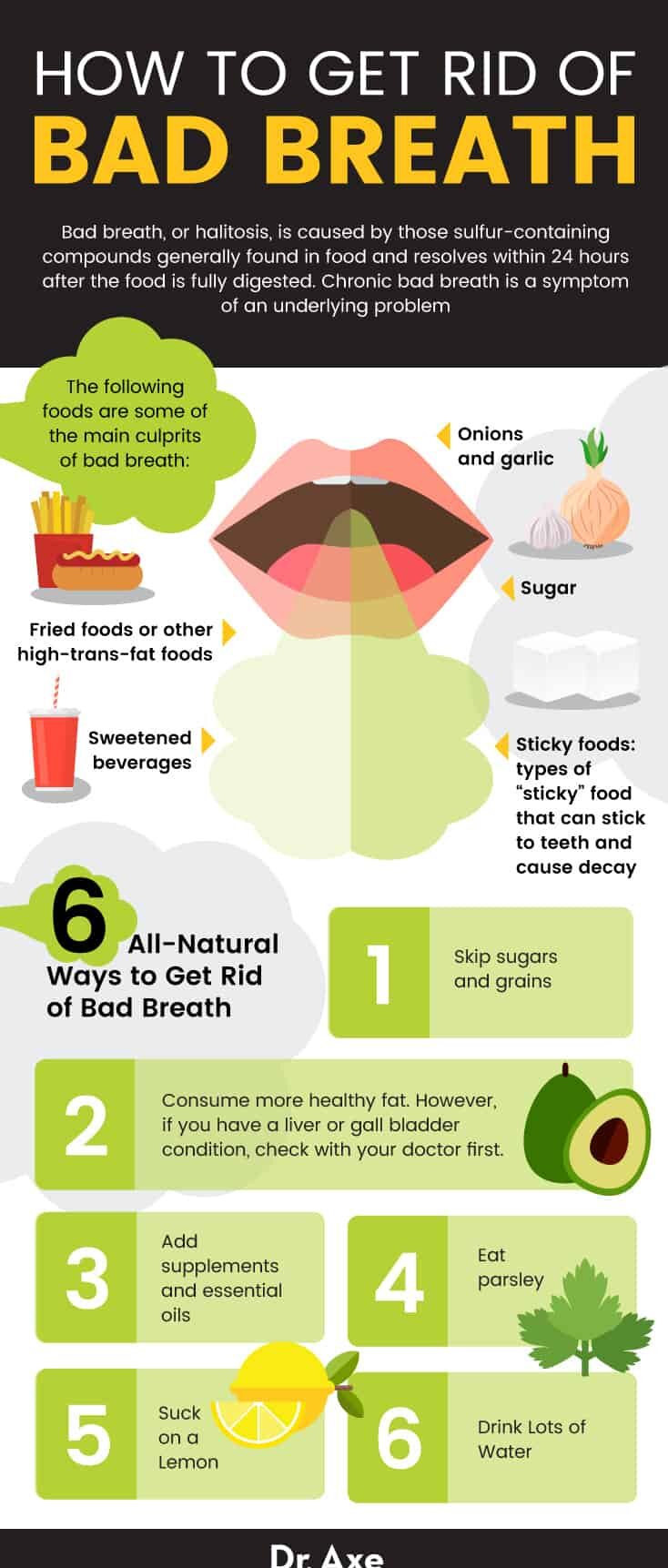
Many herbs and spices possess natural antibacterial and antimicrobial properties that can combat bad breath. Cinnamon, for instance, is known for its potent antimicrobial effects. Chewing on a small stick of cinnamon or adding it to your tea can help freshen breath. Similarly, cloves, renowned for their strong aroma, contain eugenol, a compound with antibacterial properties. Parsley, with its chlorophyll content, can naturally neutralize odors. Incorporating these into your diet can provide a long-lasting freshness boost.
Staying Hydrated: The Importance of Water
Drinking plenty of water is often overlooked but plays a vital role in combating bad breath. Water helps wash away food particles and bacteria from your mouth, preventing the accumulation of odor-causing substances. Aim for at least eight glasses of water per day. This simple act can make a significant difference in maintaining oral hygiene and combating dry mouth, a major contributor to halitosis.
Dietary Adjustments for a Fresher Breath
Certain foods are notorious for contributing to bad breath. Onions, garlic, and strong-smelling cheeses are prime culprits. While eliminating these entirely might not be feasible, moderating your consumption can significantly improve your breath's freshness. Furthermore, incorporating foods rich in antioxidants and vitamins, like fruits and vegetables, can boost overall health and indirectly contribute to improved oral hygiene.
Addressing Underlying Medical Conditions
If you've diligently practiced good oral hygiene and adjusted your diet but still experience chronic bad breath, consult a dentist or doctor. Persistent bad breath can be a symptom of underlying medical conditions like gum disease, dry mouth, or even gastrointestinal issues. Professional diagnosis and treatment are crucial in addressing these underlying problems and achieving lasting relief from halitosis.
By implementing these natural methods, you can take a proactive approach to conquering chronic bad breath and enjoy the confidence of fresh, clean breath. Remember, consistency is key. Establishing these habits as part of your daily routine is essential for long-term success.
The Best Natural Supplements for Healthy Teeth and Gums
The Best Natural Supplements for Healthy Teeth and Gums
Maintaining a dazzling smile isn't just about aesthetics; it's a vital component of overall well-being. While diligent brushing and flossing form the cornerstone of oral hygiene, incorporating natural supplements can significantly bolster your teeth and gum health. These supplements provide essential nutrients that support strong enamel, healthy gums, and a robust immune response against oral bacteria. This article explores some of the most effective natural supplements that contribute to a healthier, happier mouth.
Vitamin D: The Unsung Hero of Oral Health
Often overlooked, Vitamin D plays a surprisingly crucial role in oral health. Studies link Vitamin D deficiency to an increased risk of gum disease (gingivitis and periodontitis). This vitamin doesn't directly strengthen teeth, but it powerfully supports your immune system. A robust immune system effectively combats the bacteria that contribute to gum inflammation and infection. Adequate Vitamin D levels help your body fight off these harmful microorganisms, preventing the progression of gum disease and keeping your gums healthy and pink. Consider getting your Vitamin D levels checked by your doctor, as many individuals suffer from a deficiency. If a deficiency is identified, they can recommend appropriate supplementation.
Collagen: The Building Block of Strong Teeth and Gums
Collagen is the most abundant protein in the human body, forming the structural framework of connective tissues, including gums and the periodontal ligaments that hold your teeth in place. As we age, collagen production naturally declines, leading to weaker gums and increased susceptibility to gum disease. Supplementing with collagen peptides can help replenish this vital protein, promoting stronger gums and improved periodontal health. Collagen hydrolysate, a readily absorbed form of collagen, is particularly effective. Look for supplements specifically formulated for oral health, often containing additional beneficial ingredients.
Boosting Collagen Production Naturally
Beyond supplementation, you can naturally boost your collagen production through dietary choices. Foods rich in Vitamin C, such as citrus fruits and berries, are essential for collagen synthesis. Similarly, incorporating bone broth into your diet provides naturally occurring collagen peptides.
Other Key Nutrients for Oral Health
Several other nutrients contribute significantly to healthy teeth and gums. A well-rounded approach to supplementation often involves a combination of these:
- Vitamin C: A powerful antioxidant, Vitamin C aids in collagen production and strengthens blood vessels, improving gum health.
- Calcium: The fundamental building block of strong teeth, calcium supports enamel integrity and prevents tooth decay.
- Magnesium: Magnesium contributes to the absorption of calcium and plays a role in maintaining healthy bone and tooth structure.
- Probiotics: These beneficial bacteria help maintain a healthy balance in the oral microbiome, reducing the risk of infections and gum disease.
- Omega-3 Fatty Acids: Possessing anti-inflammatory properties, Omega-3s can help reduce gum inflammation and improve overall oral health.
Important Note: While these natural supplements offer significant benefits, they are not a replacement for regular dental checkups and good oral hygiene practices. Always consult with your dentist or doctor before starting any new supplement regimen, especially if you have pre-existing health conditions or are taking other medications. They can help determine the appropriate dosage and ensure there are no potential interactions.
Natural Ways to Strengthen Your Gums Against Infection

Naturally Fortify Your Gums Against Infection
Gum disease, or periodontal disease, affects millions, silently chipping away at oral health. While professional dental care is crucial, you can significantly bolster your gums' defenses naturally. By adopting simple lifestyle changes and incorporating specific nutrients into your diet, you empower your body to fight infection and maintain healthy, resilient gums. This article explores effective natural strategies you can implement today to improve your gum health.
The Power of Proper Oral Hygiene
The cornerstone of gum health lies in diligent oral hygiene. Brushing isn't just about pearly whites; it's about disrupting the bacterial colonies that thrive on your teeth and gums, leading to inflammation and infection. Invest in a soft-bristled toothbrush and adopt the correct technique: gentle, circular motions for at least two minutes, twice daily. Don't underestimate the power of flossing! Flossing reaches those hard-to-reach areas between your teeth where plaque accumulates, preventing gum irritation and infection. Choose a fluoride toothpaste as fluoride strengthens tooth enamel and provides an extra layer of protection against bacterial assault. Consider adding an antimicrobial mouthwash to your routine to further reduce bacterial load and freshen your breath. Remember, consistency is key â€" making oral hygiene a non-negotiable part of your daily routine is paramount.
Dietary Delights for Gum Health
Your diet directly impacts your gum health. Nutrient-rich foods provide the building blocks your body needs to fight infection and repair damaged tissues. Focus on a diet rich in fruits and vegetables, particularly those bursting with vitamin C, like oranges, strawberries, and bell peppers. Vitamin C is essential for collagen production, a crucial component of healthy gum tissue. Incorporate foods rich in vitamin K, like kale and spinach, as vitamin K plays a significant role in blood clotting, crucial for wound healing in the gums. Don't forget the power of antioxidants found in colorful fruits and vegetables; these combat oxidative stress, a factor contributing to gum disease. Finally, ensure adequate calcium and phosphorus intake from dairy products, leafy greens, and legumes for strong teeth and healthy gums.
Lifestyle Choices that Support Gum Health
Beyond oral hygiene and diet, your lifestyle significantly impacts gum health. Managing stress effectively is crucial. Chronic stress weakens the immune system, making you more susceptible to infections. Incorporate stress-reducing activities into your daily life, such as yoga, meditation, or spending time in nature. Quit smoking; smoking severely compromises your immune system and increases your risk of gum disease. Smoking also restricts blood flow to the gums, hindering their ability to heal. Control blood sugar levels if you have diabetes. Uncontrolled blood sugar can drastically increase your susceptibility to gum infections. Regular exercise and adequate sleep further boost your immune system, making it better equipped to combat gum disease.
Natural Remedies and Supplements (Consult Your Doctor)
While professional advice is essential, certain natural remedies may support gum health. Rinsing with warm salt water can soothe irritated gums and reduce inflammation. Aloe vera, known for its anti-inflammatory properties, can be applied topically to inflamed gums. Green tea, rich in antioxidants, may help combat gum inflammation. However, it is critical to consult your dentist or doctor before using any natural remedies or supplements, especially if you are on medication or have pre-existing health conditions. They can advise on appropriate usage and potential interactions.
By actively engaging in these natural strategies, you significantly increase your chances of maintaining healthy, infection-resistant gums. Remember, proactive care is far better than reactive treatment. Prioritize your oral health today for a healthier, happier tomorrow.
Sunday, 24 November 2024
Best Tips for Treating and Preventing Inflammation of the Gums
Saying Goodbye to Swollen, Sore Gums: A Guide to Treating and Preventing Gingivitis
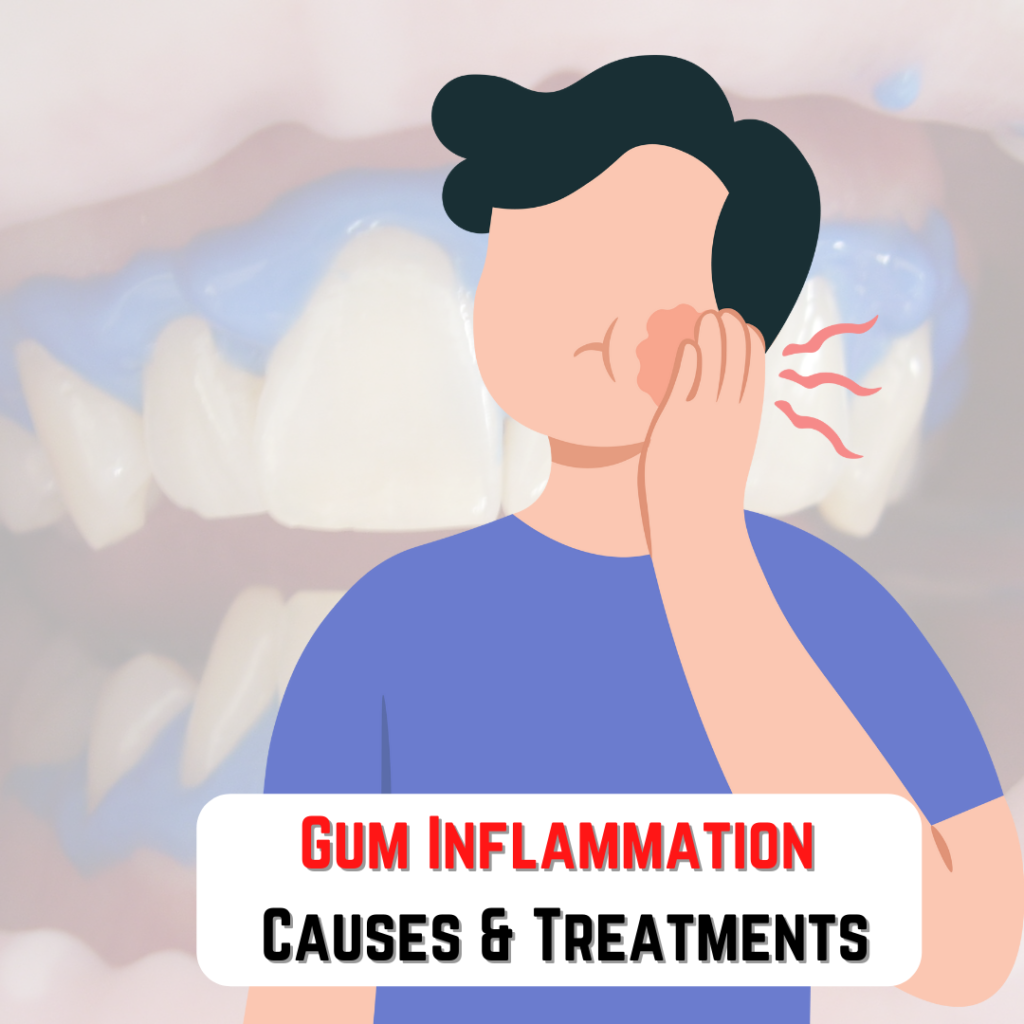
Hey there! So, you're dealing with inflamed gums â€" that annoying redness, swelling, and maybe even some bleeding? Don't worry, you're not alone. Gingivitis, or gum inflammation, is super common, and thankfully, usually pretty manageable. Let's dive into how to treat it and, even better, how to prevent it from happening in the first place.Understanding the Root of the Problem
Before we get into solutions, let's talk about what causes inflamed gums. The main culprit is usually plaque â€" that sticky film of bacteria that constantly forms on your teeth. If you don't remove it regularly through brushing and flossing, it irritates your gums, leading to inflammation. Think of it like this: plaque is the bully, and your gums are the victim getting pushed around.
Beyond poor oral hygiene, other factors can contribute to gingivitis. These include:
- Genetics: Some people are simply more prone to gum disease than others.
- Hormonal changes: Pregnancy and puberty can make gums more sensitive and susceptible to inflammation.
- Certain medications: Some drugs can have a side effect of dry mouth, which makes it easier for plaque to build up.
- Smoking: Smoking significantly increases your risk of gum disease and makes it harder to heal.
- Stress: Believe it or not, stress can weaken your immune system, making you more vulnerable to infections like gingivitis.
- Poor nutrition: A diet lacking in essential vitamins and minerals can impact gum health.
- Diabetes: Uncontrolled diabetes can make you more prone to gum infections.
It's important to note that gingivitis, if left untreated, can progress to periodontitis â€" a more serious gum disease that can lead to tooth loss. So, early intervention is key!
Treating Inflamed Gums: Your Action Plan
The good news is that gingivitis is often reversible with proper care. Here's what you can do:
Step 1: Up Your Oral Hygiene Game
This is the most crucial step. We're talking about a serious commitment to brushing and flossing! Aim for brushing twice a day for at least two minutes each time, using a soft-bristled toothbrush and fluoride toothpaste. Don't forget to gently brush your gum line. Flossing at least once a day is equally important to remove plaque and food particles from between your teeth, where your toothbrush can't reach.
Consider an electric toothbrush. Many find them easier to use and more effective at plaque removal. And don't be afraid to experiment with different types of floss â€" waxed, unwaxed, floss picks â€" to find what works best for you.
Step 2: Rinse Away the Bacteria
Using an antiseptic mouthwash can help reduce the bacteria in your mouth. Look for mouthwashes containing chlorhexidine or essential oils. Follow the instructions on the label carefully. Remember, mouthwash is a supplement to brushing and flossing, not a replacement!
Step 3: See Your Dentist
This is non-negotiable. Regular dental checkups are vital for preventing and treating gum disease. Your dentist can professionally clean your teeth to remove stubborn plaque and tartar (hardened plaque) that you can't remove at home. They can also diagnose any underlying issues and provide personalized advice.
Step 4: Address Underlying Health Conditions
If you have diabetes, hormonal imbalances, or other health conditions that might be contributing to your gingivitis, work with your doctor to manage them effectively. Better overall health translates directly to better gum health.
Preventing Gingivitis: A Proactive Approach
Prevention is always better than cure, right? Here are some tips to keep those gums happy and healthy:
- Brush and floss religiously: We've already covered this, but it bears repeating! Make it a non-negotiable part of your daily routine.
- Eat a healthy diet: A balanced diet rich in fruits, vegetables, and whole grains provides your body with the nutrients it needs to fight infection.
- Quit smoking: If you smoke, quitting is one of the best things you can do for your overall health, including your gum health.
- Manage stress: Find healthy ways to manage stress, such as exercise, yoga, or meditation.
- Regular dental checkups: Aim for at least two checkups a year, or more frequently if your dentist recommends it.
- Stay hydrated: Drinking plenty of water helps wash away food particles and bacteria.
- Choose the right toothbrush: A soft-bristled toothbrush is gentler on your gums.
Commonly Asked Questions
Q: My gums are bleeding when I brush. Is this normal?
A: No, bleeding gums are usually a sign of inflammation. It means you likely have some plaque buildup. Don't stop brushing, just be extra gentle, and make sure you're brushing and flossing effectively. See your dentist for a checkup.
Q: How long does it take to treat gingivitis?
A: The healing time depends on the severity of the inflammation and how well you follow your dentist's recommendations. With diligent oral hygiene, most cases of gingivitis improve significantly within a few weeks.
Q: Can gingivitis be cured completely?
A: Yes, if caught early and treated properly. However, it requires consistent effort in maintaining good oral hygiene to prevent it from returning.
Q: What are the signs of periodontitis?
A: Periodontitis is a more advanced stage of gum disease. Symptoms include persistent bad breath, loose teeth, receding gums, and pockets of pus around your teeth. If you notice any of these signs, see your dentist immediately.
Q: Are there any home remedies for gingivitis?
A: While home remedies like rinsing with salt water can offer temporary relief, they are not a replacement for professional dental care and good oral hygiene. They can help soothe discomfort but won't address the underlying bacterial infection.
Remember, your oral health is an important part of your overall health. Don't hesitate to reach out to your dentist if you have any concerns about your gums. Early intervention is key to preventing more serious problems down the line!
The Role of Probiotics in Long-Term Gum Maintenance

The Role of Probiotics in Long-Term Gum Maintenance
Periodontal disease, encompassing gingivitis and periodontitis, remains a prevalent global health concern, significantly impacting oral health and systemic well-being. While traditional approaches involving mechanical cleaning and antimicrobial agents form the cornerstone of periodontal therapy, increasing research highlights the potential of probiotics as an adjunct therapy for long-term gum maintenance. This article explores the current understanding of the role of probiotics in preventing and managing periodontal disease, examining the mechanisms of action, efficacy, and future directions of this emerging field.
The Oral Microbiome and Periodontal Disease
The human oral cavity harbors a complex and dynamic microbial ecosystem, commonly referred to as the oral microbiome. This diverse community of bacteria, archaea, fungi, and viruses plays a crucial role in maintaining oral health. However, dysbiosis, an imbalance in the composition and function of the oral microbiome, is a hallmark of periodontal disease. A shift towards a predominance of gram-negative, pathogenic bacteria, such as Porphyromonas gingivalis, Tannerella forsythia, and Aggregatibacter actinomycetemcomitans, is associated with the progression from gingivitis (inflammation of the gums) to periodontitis (inflammation and destruction of the supporting tissues of the teeth).
The Pathogenesis of Periodontal Disease
The pathogenesis of periodontal disease is a complex interplay between host susceptibility and microbial virulence factors. Gram-negative bacteria produce various virulence factors, including lipopolysaccharide (LPS), gingipains, and fimbriae, which contribute to inflammation and tissue destruction. These virulence factors trigger an inflammatory response in the host, leading to the recruitment of immune cells and the release of pro-inflammatory cytokines. Uncontrolled inflammation results in the breakdown of collagen fibers, bone resorption, and ultimately, tooth loss.
Probiotics: Potential Allies in Maintaining Oral Health
Probiotics, defined as live microorganisms that confer a health benefit on the host when administered in adequate amounts, have emerged as promising agents in the prevention and management of periodontal disease. The rationale for their use rests on their ability to modulate the oral microbiome, reducing the abundance of pathogenic bacteria and promoting the growth of beneficial commensal bacteria. This modulation can contribute to a more stable and balanced oral ecosystem, reducing the risk of periodontal disease and improving treatment outcomes.
Mechanisms of Action
The mechanisms by which probiotics exert their beneficial effects in periodontal health are multifaceted and include:
- Competitive exclusion: Probiotics compete with pathogenic bacteria for adhesion sites on the tooth surface and gingival epithelium, preventing their colonization and reducing their ability to cause disease.
- Production of antimicrobial substances: Certain probiotic strains produce antimicrobial compounds, such as bacteriocins, hydrogen peroxide, and organic acids, which inhibit the growth of pathogenic bacteria.
- Modulation of the immune response: Probiotics can modulate the host immune response by reducing the production of pro-inflammatory cytokines and enhancing the production of anti-inflammatory cytokines. This helps to control inflammation and prevent tissue damage.
- Enhancement of the epithelial barrier: Some probiotics can strengthen the epithelial barrier, reducing the permeability of the gingival tissues and preventing the invasion of pathogenic bacteria.
- Stimulation of salivary IgA: Probiotics can stimulate the production of salivary IgA, an antibody that plays a critical role in mucosal immunity.
Efficacy of Probiotics in Periodontal Therapy
Numerous clinical studies have investigated the efficacy of probiotics in the prevention and treatment of periodontal disease. While results have been somewhat variable, a growing body of evidence suggests that probiotics can be beneficial, particularly when used as an adjunct to conventional periodontal therapy. Many studies have shown a reduction in gingival inflammation, bleeding on probing, and probing depth, indicating improved periodontal health. However, the optimal probiotic strains, dosages, and delivery methods are still under investigation.
Challenges and Limitations
Despite the promising results of some studies, several challenges and limitations remain in the field of probiotic periodontal therapy. These include:
- Strain specificity: The efficacy of probiotics is highly strain-specific. Not all probiotic strains are equally effective in modulating the oral microbiome and improving periodontal health. Further research is needed to identify the most effective strains for periodontal applications.
- Dosage and administration: The optimal dosage and delivery method for probiotics in periodontal therapy are not yet fully established. Factors such as the form of administration (e.g., mouthwash, capsules, toothpaste), frequency of application, and duration of treatment need further investigation.
- Lack of standardization: There is a lack of standardization in the production and quality control of probiotic products, making it difficult to compare the results of different studies.
- Limited long-term data: Most studies have focused on short-term effects of probiotics on periodontal health. More long-term studies are needed to assess the long-term efficacy and safety of probiotic therapy.
Future Directions and Conclusions
The field of probiotic periodontal therapy is rapidly evolving. Future research should focus on identifying the most effective probiotic strains for specific periodontal conditions, optimizing dosage and delivery methods, and developing standardized protocols for probiotic use. Furthermore, studies examining the interactions between different probiotic strains and the host immune system are needed to enhance our understanding of the mechanisms of action. The development of personalized probiotic therapies, tailored to the individual's oral microbiome composition and host response, is a promising area of future research. This may involve the use of next-generation sequencing technologies to identify the most suitable probiotic strains for each individual.
In conclusion, while further research is warranted, the evidence suggests that probiotics hold significant promise as an adjunct therapy for long-term gum maintenance. Their ability to modulate the oral microbiome, reduce inflammation, and enhance host immunity offers a novel approach to preventing and managing periodontal disease. By addressing the current limitations and focusing on future research priorities, probiotics could play a significant role in improving oral health outcomes and reducing the global burden of periodontal disease.