Monday, 3 February 2025
How to Treat Bleeding Gums from Gum Disease Naturally
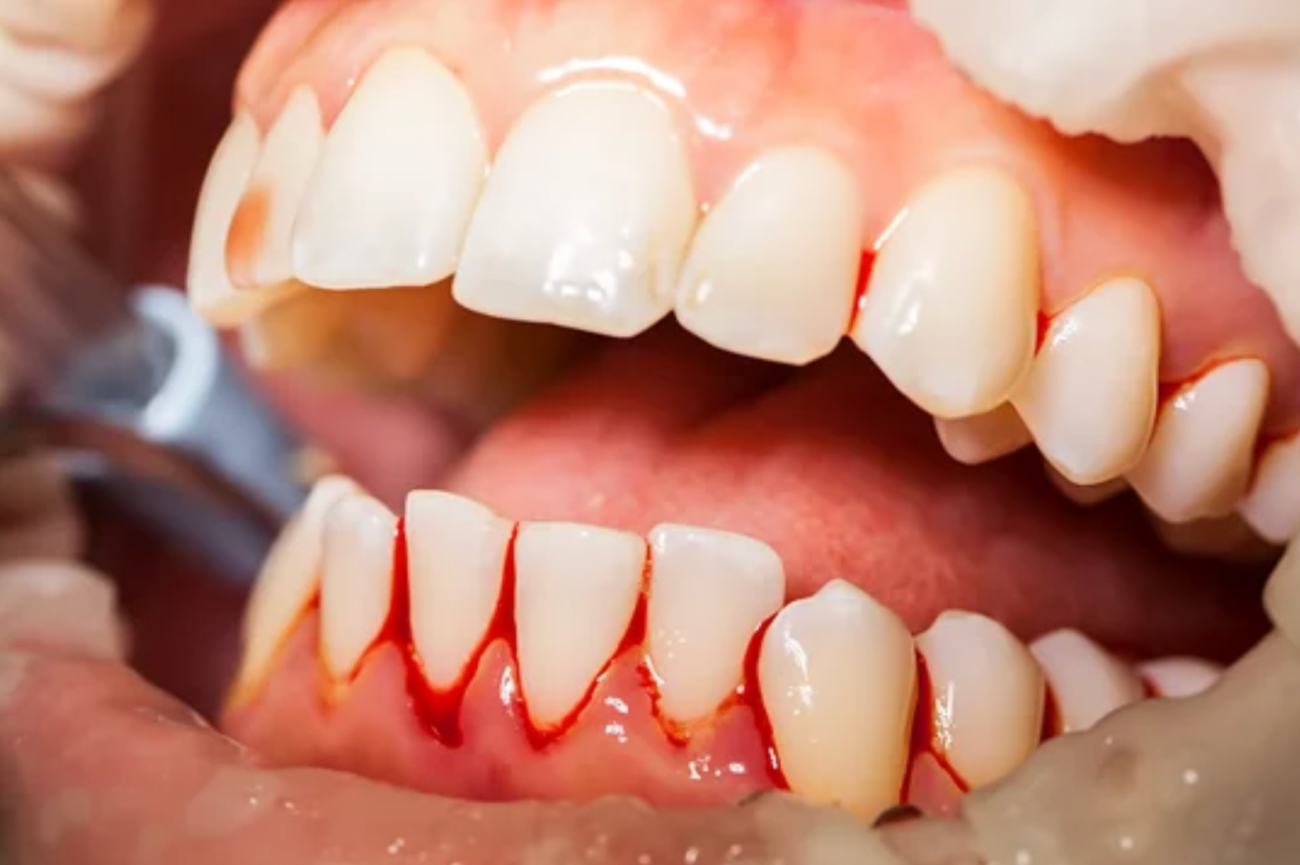
Naturally Treating Bleeding Gums from Gum Disease
Hey there! So, you've got bleeding gums, and you're worried it might be gum disease. That's understandable – nobody wants to deal with that! Before we dive in, let me be clear: **I'm not a doctor, and this isn't a replacement for professional dental advice.** If you're experiencing bleeding gums, especially if it's persistent or accompanied by other symptoms like pain, swelling, or loose teeth, **you absolutely need to see a dentist ASAP.** This article is just to give you some information on natural approaches that *might* help support your treatment *in conjunction with* professional care, not replace it.Understanding the Root of the Problem: Gum Disease
Gum disease, or periodontal disease, is a serious infection that damages the soft tissues and bones that support your teeth. It starts with gingivitis, a mild form of gum inflammation, often characterized by red, swollen, and bleeding gums. If left untreated, gingivitis can progress to periodontitis, a more severe stage where the gums pull away from the teeth, forming pockets that harbor bacteria. These pockets can become infected, leading to bone loss and potentially tooth loss.Natural Approaches to Help Manage Bleeding Gums
Now, let's talk about some natural approaches that might help ease bleeding gums and support overall gum health. Remember, these are supportive measures, not cures.1. Improving Your Oral Hygiene Routine: The Foundation
This might seem obvious, but it's the absolute cornerstone of gum health. Are you *really* brushing and flossing properly? I'm talking twice a day, for at least two minutes each time, with gentle but thorough brushing, and using the right technique to floss effectively.Here's what to focus on:
- Brush gently: Aggressive brushing can damage your gums. Use a soft-bristled toothbrush and make small, circular motions.
- Floss daily: Flossing removes plaque and food particles from between your teeth, where your toothbrush can't reach.
- Use an antimicrobial mouthwash (with your dentist's okay): Some mouthwashes contain ingredients that can help reduce bacteria in your mouth.
- Consider an electric toothbrush: Many find electric toothbrushes make it easier to maintain a consistent and effective brushing technique.
2. The Power of Herbs and Essential Oils
Several herbs and essential oils possess antibacterial and anti-inflammatory properties that may help reduce gum inflammation and bleeding. Always dilute essential oils before using them in your mouth! Never apply undiluted essential oils directly to your gums.- Tea Tree Oil: Known for its antimicrobial properties. Dilute a few drops in a carrier oil like coconut oil and gently massage it onto your gums. (Again, consult your dentist before using this or any other essential oil).
- Myrrh: This ancient herb has been traditionally used for its healing properties. You can find myrrh extract in some mouthwashes or gums.
- Aloe Vera: Its soothing and anti-inflammatory properties may help calm irritated gums. You can apply aloe vera gel directly to your gums.
3. Dietary Changes for a Healthier Mouth
What you eat significantly impacts your oral health. A diet rich in fruits, vegetables, and whole grains provides essential nutrients that support gum health.- Vitamin C: Crucial for collagen production, which is essential for healthy gums. Citrus fruits, berries, and peppers are good sources.
- Vitamin K: Important for blood clotting, which can help reduce bleeding. Leafy green vegetables are excellent sources.
- Calcium: Essential for strong bones and teeth. Dairy products, leafy greens, and fortified foods are good sources.
- Reduce sugary foods and drinks: Sugar feeds the bacteria that cause gum disease.
4. Staying Hydrated: It's More Important Than You Think
Drinking plenty of water helps wash away food particles and bacteria from your mouth, keeping your gums cleaner and healthier.5. Stress Management: Believe it or Not, It Matters
Chronic stress can weaken your immune system, making you more susceptible to infections, including gum disease. Finding healthy ways to manage stress, like exercise, meditation, or yoga, can benefit your overall health, including your oral health.Important Considerations
* **Consistency is key:** These natural remedies won't work overnight. You need to be consistent with your oral hygiene and any natural treatments you choose. * **Listen to your body:** If your bleeding gums worsen or you experience new symptoms, seek professional dental care immediately. * **Don't delay professional care:** Natural remedies can be supportive, but they are not a substitute for regular dental checkups and professional treatment of gum disease.Commonly Asked Questions
Q: Will these natural remedies cure my gum disease?
A: No, these remedies are supportive measures to help manage symptoms and promote overall gum health. They cannot cure gum disease, which requires professional dental intervention.
Q: How long will it take to see results?
A: It varies depending on the severity of your gum disease and your commitment to oral hygiene and treatment. You might notice some improvement in bleeding within a few weeks, but significant changes may take longer.
Q: Can I use these remedies if I'm pregnant or breastfeeding?
A: Always consult your doctor or dentist before starting any new treatment, especially if you're pregnant or breastfeeding. Some herbs and essential oils may not be safe during these periods.
Q: What should I do if my gums are still bleeding after trying these remedies?
A: If bleeding persists or worsens, schedule an appointment with your dentist immediately. This is crucial to rule out more serious issues and get appropriate treatment.
Remember, taking care of your gums is an ongoing process. By combining good oral hygiene with a healthy lifestyle and seeking professional dental care when needed, you can significantly improve your gum health and keep that smile bright!
0 comments:
Post a Comment
Note: only a member of this blog may post a comment.