Monday, 27 January 2025
The Best Probiotics for Preventing Bad Breath and Improving Dental Hygiene
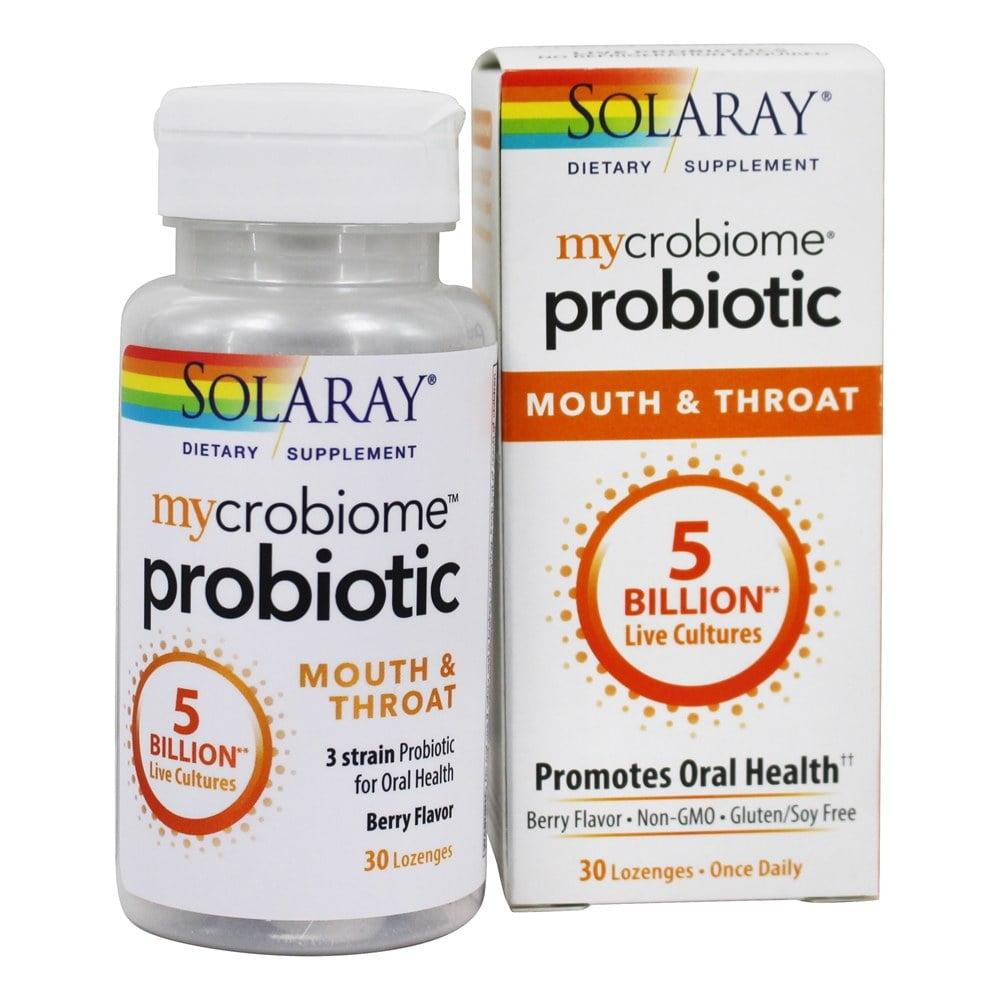
The Best Probiotics for Preventing Bad Breath and Improving Dental Hygiene
Halitosis, commonly known as bad breath, affects a significant portion of the population. While various factors contribute to its development, an imbalance in the oral microbiome plays a crucial role. This imbalance, often characterized by an overgrowth of harmful bacteria, leads to the production of volatile sulfur compounds (VSCs) responsible for the unpleasant odor. Fortunately, the emerging field of probiotic dentistry offers a promising approach to combatting halitosis and improving overall dental hygiene through the strategic introduction of beneficial bacteria. This article explores the best probiotics for preventing bad breath and enhancing oral health.
Understanding the Oral Microbiome and its Role in Halitosis
The human mouth harbors a complex ecosystem of microorganisms, collectively known as the oral microbiome. This diverse community comprises bacteria, archaea, fungi, and viruses, all interacting in a dynamic equilibrium. A healthy oral microbiome is characterized by a balanced composition of beneficial and harmful bacteria. However, various factors can disrupt this balance, leading to dysbiosisâ€"an overgrowth of harmful bacteria and a reduction in beneficial species. This dysbiosis is a significant contributor to various oral health problems, including halitosis.
The Role of Harmful Bacteria in Bad Breath
Specific bacteria, particularly Gram-negative anaerobic bacteria such as Porphyromonas gingivalis, Prevotella intermedia, and Tannerella forsythia, are strongly implicated in the development of halitosis. These bacteria thrive in anaerobic (oxygen-poor) environments, such as those found in periodontal pockets and between teeth. Their metabolism produces volatile sulfur compounds (VSCs), primarily hydrogen sulfide, methyl mercaptan, and dimethyl sulfide, which are the primary culprits behind the unpleasant odor of bad breath.
The Protective Role of Beneficial Bacteria
Conversely, beneficial bacteria in the oral microbiome play a crucial role in maintaining oral health and preventing halitosis. These bacteria compete with harmful bacteria for nutrients and space, thus limiting their growth and the production of VSCs. They also produce substances that inhibit the growth of harmful bacteria or directly neutralize VSCs. Furthermore, some beneficial bacteria contribute to the overall integrity of the oral mucosa, strengthening the defenses against infection and inflammation.
Probiotics and their Mechanisms of Action in Oral Health
Probiotics, defined as live microorganisms that confer a health benefit on the host when administered in adequate amounts, offer a promising avenue for improving oral health and preventing halitosis. Their mechanisms of action in the oral cavity are multifaceted and include:
- Competitive exclusion: Probiotics compete with harmful bacteria for nutrients and adhesion sites on the tooth surface and gingival tissues, thereby reducing their colonization and growth.
- Production of antimicrobial substances: Certain probiotics produce bacteriocins and other antimicrobial compounds that inhibit the growth of specific harmful bacteria, including VSC-producing species.
- Modulation of the immune response: Probiotics can modulate the host's immune response, reducing inflammation and promoting tissue repair in the oral mucosa.
- Neutralization of VSCs: Some probiotics may directly neutralize VSCs, reducing their concentration in the oral cavity and thereby minimizing bad breath.
- Improvement of saliva quality: Probiotics can positively influence saliva composition and properties, creating a less hospitable environment for harmful bacteria.
Specific Probiotic Strains for Oral Health
While research is ongoing, several probiotic strains have shown promise in improving oral health and combating halitosis. It's crucial to note that the effectiveness of a probiotic strain can vary depending on several factors, including the individual's oral microbiome, dosage, and formulation.
Lactobacillus species
Several Lactobacillus species, including Lactobacillus rhamnosus, Lactobacillus salivarius, and Lactobacillus reuteri, have demonstrated beneficial effects on oral health. These strains exhibit antimicrobial activity against various pathogenic bacteria and can modulate the immune response, contributing to a healthier oral environment. Some studies have shown a reduction in gingivitis and plaque accumulation with the use of Lactobacillus-based probiotics.
Streptococcus salivarius K12
Streptococcus salivarius K12 is a particularly well-studied probiotic strain with a strong track record in improving oral health. It has demonstrated effectiveness in reducing halitosis by inhibiting the growth of VSC-producing bacteria and promoting the growth of beneficial species. This strain is often included in commercially available oral probiotics.
Weissella cibaria
Weissella cibaria is another promising probiotic strain with potential benefits for oral health. Studies suggest it may contribute to the reduction of plaque and gingivitis by inhibiting the growth of harmful bacteria and modulating the immune response.
Choosing and Using Probiotic Products for Oral Health
When selecting a probiotic product for oral health, several factors should be considered:
- Strain specificity: Look for products that specify the strains included, ideally those with research supporting their efficacy in oral health, such as S. salivarius K12, L. rhamnosus, L. salivarius, or L. reuteri.
- Dosage: The product should provide a sufficient dosage of live bacterial cells to achieve the desired effect. Consult the product labeling and any supporting research.
- Formulation: Consider the formulation of the product. Lozenges, chewing gums, or mouthwashes may be more convenient than capsules or tablets for oral delivery.
- Storage and shelf life: Ensure the product is stored properly to maintain the viability of the probiotic strains. Check the expiration date before use.
- Reputable manufacturer: Choose a reputable manufacturer with a commitment to quality control and testing.
It's important to remember that probiotics are not a replacement for good oral hygiene practices. Maintaining a consistent routine of brushing, flossing, and regular dental checkups remains crucial for optimal oral health. Probiotics should be considered a complementary approach to enhance the effectiveness of traditional oral hygiene practices.
Conclusion
The use of probiotics holds significant promise for preventing bad breath and improving overall dental hygiene. By strategically introducing beneficial bacteria into the oral cavity, we can help restore the balance of the oral microbiome, reduce the population of harmful bacteria, and create a more favorable environment for oral health. While further research is needed to fully elucidate the mechanisms of action and optimal strains for various oral conditions, the evidence suggests that probiotics can be a valuable addition to a comprehensive oral hygiene regimen. Consult with your dentist or a healthcare professional to determine if probiotics are appropriate for your individual needs and to discuss any potential interactions with other medications or supplements.

0 comments:
Post a Comment
Note: only a member of this blog may post a comment.