Monday, 27 January 2025
Best Natural Remedies for Sensitive Gums and Oral Health
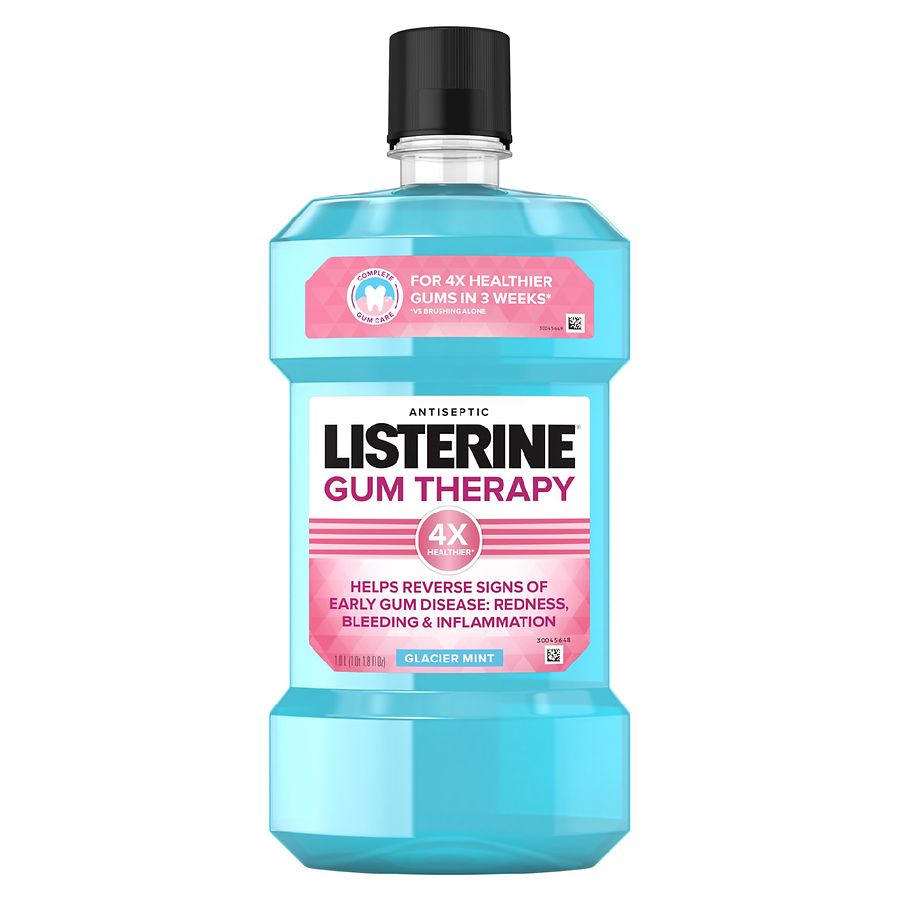
Best Natural Remedies for Sensitive Gums and Oral Health
Sensitive gums are a common problem, often causing discomfort and impacting your overall oral health. The throbbing pain, bleeding, and general irritation can make even simple tasks like brushing and eating challenging. Thankfully, several natural remedies can effectively soothe sensitive gums and promote better oral hygiene. These methods often work by reducing inflammation, strengthening gum tissue, and fighting off harmful bacteria â€" all crucial for a healthy mouth.
Understanding Sensitive Gums
Sensitive gums are usually a sign of underlying gum inflammation, often called gingivitis. This inflammation is typically caused by plaque buildup, a sticky film of bacteria that constantly forms on your teeth. If left unchecked, plaque hardens into tartar, further irritating your gums and potentially leading to more serious conditions like periodontitis (gum disease). Other contributing factors include aggressive brushing, hormonal changes (particularly in women), certain medications, and even nutritional deficiencies. Understanding the root cause is important, as this helps you tailor your treatment plan effectively.
Natural Remedies for Relief
The Power of Saltwater Rinses
A simple yet incredibly effective remedy is a saltwater rinse. The salt's antimicrobial properties help combat bacteria responsible for inflammation. To make a rinse, dissolve ½ to ¾ teaspoon of salt in 8 ounces of warm water. Swish this solution around your mouth for about 30-60 seconds, then spit it out. Repeat this two to three times a day, especially after meals, for noticeable relief. The salt's osmotic action also draws out excess fluid from inflamed gum tissue, reducing swelling and discomfort.
Aloe Vera: Nature's Soothing Agent
Known for its anti-inflammatory and healing properties, aloe vera gel offers fantastic relief for sensitive gums. Apply a small amount of pure aloe vera gel directly to the affected areas using a clean finger or cotton swab. Let it sit for a few minutes before rinsing your mouth with water. Aloe vera's soothing action helps reduce pain and inflammation, promoting faster healing. You can find pure aloe vera gel at most health food stores or even extract it from the plant itself.
The Benefits of Essential Oils
Certain essential oils possess potent antimicrobial and anti-inflammatory properties beneficial for gum health. Tea tree oil and clove oil are particularly effective. However, it is crucial to use these oils diluted in a carrier oil like coconut oil, as they can irritate the gums in their undiluted form. Mix a few drops of the essential oil with a teaspoon of carrier oil and gently massage it onto your gums. Remember to rinse thoroughly afterwards. Always perform a patch test before applying any essential oil to a larger area to check for potential allergic reactions.
Dietary Changes for Gum Health
Your diet plays a significant role in your oral health. Increase your intake of vitamin C, which is crucial for collagen production and gum tissue repair. Foods rich in vitamin C include citrus fruits, berries, and leafy green vegetables. Also incorporate foods rich in calcium and vitamin K, which support bone and gum health. Minimize sugary foods and drinks, as they contribute to plaque formation and exacerbate gum sensitivity.
Maintaining Optimal Oral Health
While natural remedies provide excellent relief, they are most effective when combined with proper oral hygiene practices. This includes brushing your teeth twice daily with a soft-bristled toothbrush, flossing at least once a day, and visiting your dentist regularly for professional cleanings and checkups. These preventative measures help remove plaque and tartar buildup, preventing gum inflammation and maintaining healthy gums and teeth for life.
Disclaimer: This article provides general information and should not be considered medical advice. Always consult your dentist or a healthcare professional for diagnosis and treatment of any oral health concerns.

0 comments:
Post a Comment
Note: only a member of this blog may post a comment.