Sunday, 2 February 2025
The Benefits of Probiotics for Individuals Struggling with Bad Breath

The Benefits of Probiotics for Individuals Struggling with Bad Breath (Halitosis)
Halitosis, commonly known as bad breath, affects a significant portion of the population and can have a detrimental impact on social interactions and self-esteem. While poor oral hygiene is a primary contributing factor, the underlying causes of halitosis are multifaceted and often involve an imbalance in the oral microbiome. Emerging research highlights the potential of probiotics as a complementary therapy to traditional approaches in managing and mitigating bad breath. This article will explore the mechanisms by which probiotics may alleviate halitosis and discuss the evidence supporting their efficacy.
Understanding the Oral Microbiome and its Role in Halitosis
The oral cavity harbors a complex and dynamic ecosystem of microorganisms, collectively known as the oral microbiome. This diverse community comprises bacteria, archaea, fungi, and viruses, which interact with each other and the host in a complex interplay. A healthy oral microbiome maintains a balance, preventing the overgrowth of harmful bacteria responsible for producing volatile sulfur compounds (VSCs). VSCs, primarily hydrogen sulfide, methyl mercaptan, and dimethyl sulfide, are the primary culprits behind the unpleasant odor associated with halitosis.
The Role of Gram-Negative Bacteria
Specific gram-negative anaerobic bacteria, such as Porphyromonas gingivalis, Treponema denticola, and Tannerella forsythia, are strongly implicated in halitosis. These bacteria thrive in anaerobic environments, particularly within periodontal pockets and on the tongue dorsum. Their metabolic processes generate VSCs as byproducts, contributing significantly to bad breath. An imbalance in the oral microbiome, leading to an overgrowth of these VSC-producing bacteria, is a key driver of halitosis.
The Importance of Maintaining Microbial Balance
Maintaining a balanced oral microbiome is crucial for preventing halitosis. A healthy balance involves a diverse community of bacteria, with a lower proportion of VSC-producing species. This balance is achieved through effective oral hygiene practices, such as regular brushing, flossing, and tongue scraping, which remove food particles and bacterial biofilm. However, some individuals may benefit from additional strategies to restore microbial balance, and this is where probiotics come into play.
Probiotics: Restoring Microbial Equilibrium in the Oral Cavity
Probiotics are live microorganisms, primarily bacteria and yeasts, that, when administered in adequate amounts, confer a health benefit to the host. In the context of halitosis, probiotics work through several mechanisms to restore microbial balance and reduce VSC production:
Competition for Resources and Adhesion Sites
Probiotic bacteria compete with pathogenic, VSC-producing bacteria for nutrients and adhesion sites on the tooth surfaces and oral mucosa. By occupying these sites, probiotics effectively limit the growth and colonization of harmful bacteria, preventing their accumulation and VSC production.
Production of Antimicrobial Substances
Certain probiotic strains produce antimicrobial substances, such as bacteriocins and organic acids, that inhibit the growth of other bacteria, including VSC-producing species. These antimicrobial compounds contribute to a reduction in the overall bacterial load and the subsequent decrease in VSC production.
Modulation of the Immune Response
Probiotics can modulate the host's immune response, enhancing the body's ability to combat pathogenic bacteria. They may stimulate the production of antimicrobial peptides and antibodies, further contributing to the control of VSC-producing bacteria and the reduction of halitosis.
Production of Enzymes that Neutralize VSCs
Some probiotic strains produce enzymes that directly neutralize or break down VSCs, reducing their concentration in the oral cavity and subsequently mitigating bad breath. This direct action contributes to a more immediate reduction in halitosis symptoms.
Evidence Supporting the Use of Probiotics for Halitosis
While research on the efficacy of probiotics for halitosis is still ongoing, several studies have demonstrated promising results. These studies have explored various probiotic strains and delivery methods, including chewing gums, lozenges, mouthwashes, and even probiotic-containing toothpastes. The results generally indicate a reduction in VSC levels and an improvement in halitosis scores, although the magnitude of effect varies depending on the specific probiotic strain, the study design, and the duration of intervention.
Challenges and Limitations in Research
It is important to acknowledge certain limitations in the existing research. Studies often have small sample sizes, and the methodologies employed can vary, making direct comparisons challenging. Furthermore, the long-term effects of probiotic interventions on halitosis are not yet fully understood. More large-scale, well-designed clinical trials are needed to definitively establish the efficacy and safety of probiotics for managing halitosis.
Choosing the Right Probiotic for Halitosis
Not all probiotic strains are created equal. Some strains have demonstrated greater efficacy in reducing halitosis than others. Lactobacillus and Streptococcus species have shown particular promise in clinical studies. However, it is crucial to select products that are well-researched and contain strains supported by scientific evidence. Consulting with a dentist or healthcare professional is recommended to determine the most appropriate probiotic strain and dosage for individual needs.
Considerations for Selecting a Probiotic Product
When choosing a probiotic product for halitosis, consider the following factors:
- Strain Specificity: Look for products specifying the exact strain of probiotic bacteria, along with supporting research on its effectiveness for oral health.
- CFU Count: The number of colony-forming units (CFU) indicates the number of live bacteria in the product. Higher CFU counts generally suggest greater efficacy, but this should be considered in conjunction with scientific evidence supporting the specific strain.
- Delivery Method: Probiotics are available in various forms, including chewing gums, lozenges, mouthwashes, and even toothpaste. The optimal delivery method depends on individual preference and compliance.
- Reputable Manufacturer: Choose products from reputable manufacturers who adhere to high quality standards and provide transparent information about their products.
Conclusion
Probiotics offer a promising complementary approach to managing halitosis by restoring microbial balance in the oral cavity. While further research is needed to fully elucidate their efficacy and long-term effects, the available evidence suggests that certain probiotic strains can contribute to a reduction in volatile sulfur compounds and an improvement in breath odor. Incorporating probiotics into an overall oral hygiene strategy, including regular brushing, flossing, and tongue scraping, may provide significant benefits for individuals struggling with bad breath. However, it is essential to consult with a healthcare professional to determine the suitability of probiotic therapy and to select an appropriate product based on individual needs and circumstances.

The Healing Properties of Honey for Gum and Teeth Health

The Healing Properties of Honey for Gum and Teeth Health
For centuries, honey has been recognized not only as a culinary delight but also as a potent natural remedy with diverse therapeutic applications. Its remarkable properties extend to oral health, offering a promising avenue for addressing various gum and teeth issues. This article explores the scientific evidence supporting honey's efficacy in improving oral hygiene and mitigating specific dental problems.
The Composition and Antibacterial Properties of Honey
The multifaceted therapeutic potential of honey stems from its unique composition. Unlike refined sugars, honey boasts a complex blend of natural sugars (fructose and glucose), enzymes, organic acids, vitamins, minerals, and antimicrobial compounds. Crucially, many varieties of honey contain significant levels of hydrogen peroxide, a potent disinfectant. However, the concentration of hydrogen peroxide varies considerably depending on the floral source and processing methods. Furthermore, honey possesses a high osmotic pressure, meaning it draws moisture away from bacteria, hindering their growth and survival.
Antibacterial Mechanisms of Action
Honey's antibacterial efficacy is attributed to several mechanisms:
- Hydrogen Peroxide Production: The enzyme glucose oxidase, present in honey, catalyzes the conversion of glucose to gluconic acid and hydrogen peroxide. This hydrogen peroxide acts as a potent antiseptic, effectively killing or inhibiting the growth of numerous bacteria implicated in oral diseases.
- High Osmotic Pressure: The high sugar concentration in honey creates a hypertonic environment. This draws water out of bacterial cells, leading to dehydration and ultimately cell death. This mechanism is particularly effective against a wide range of microorganisms, including those commonly found in the oral cavity.
- Methylglyoxal (MGO): Certain types of honey, particularly Manuka honey from New Zealand, are rich in methylglyoxal (MGO), a potent antimicrobial compound that contributes significantly to its antibacterial activity. MGO's mechanism of action involves the inhibition of bacterial enzymes and DNA replication, ultimately leading to bacterial cell death.
- Other Antimicrobial Compounds: Beyond hydrogen peroxide and MGO, honey contains a diverse array of other antimicrobial compounds, such as flavonoids, phenolic acids, and other organic compounds. These compounds work synergistically to enhance honey's overall antibacterial effect, providing a broad spectrum of antimicrobial activity.
Honey's Application in Treating Gum Diseases
Gingivitis and periodontitis, collectively known as gum disease, are prevalent oral infections characterized by inflammation and potential destruction of the supporting tissues of the teeth. The bacterial biofilm (plaque) that accumulates on the teeth plays a central role in the pathogenesis of these diseases. Several studies suggest that honey can effectively combat these infections:
Honey's Role in Gingivitis Management
Gingivitis, the early stage of gum disease, is reversible with proper oral hygiene. However, honey can assist in managing the symptoms and preventing progression to more severe forms. Studies have shown that honey-based mouthwashes or topical applications can reduce gingival inflammation, bleeding, and plaque accumulation. The antibacterial and anti-inflammatory properties of honey contribute to these beneficial effects.
Honey in Periodontitis Treatment
Periodontitis, a more advanced stage of gum disease, involves bone loss and potential tooth loss. While honey is not a replacement for conventional periodontal therapy, it may serve as an adjunctive treatment. Research suggests that honey, in conjunction with professional cleaning and scaling, can help reduce the depth of periodontal pockets, improve gingival health, and potentially reduce the need for more invasive procedures. The ability of honey to inhibit the growth of periodontal pathogens, such as Porphyromonas gingivalis, contributes to its therapeutic potential in periodontitis management.
Honey's Potential Benefits for Tooth Health
Beyond its role in gum disease management, honey also displays potential benefits for tooth health:
Cavity Prevention
Dental caries, or cavities, are caused by acid-producing bacteria that metabolize sugars in the oral cavity, leading to demineralization of tooth enamel. While honey contains sugars, its high osmotic pressure and antimicrobial properties may counteract some of these detrimental effects. Some studies suggest that honey may possess a lower cariogenic potential compared to refined sugars, although more research is needed to definitively establish its role in cavity prevention. The antimicrobial properties of honey could help limit the growth of cariogenic bacteria.
Treatment of Oral Ulcers
Aphthous ulcers, or canker sores, are painful oral lesions of unknown etiology. Honey's anti-inflammatory and antimicrobial properties may promote faster healing of these ulcers. Its soothing effect can provide relief from pain and discomfort, speeding up the healing process. The application of honey to canker sores can help to create a protective barrier, preventing further infection and promoting tissue repair.
Limitations and Considerations
While honey offers promising therapeutic benefits for oral health, it's crucial to acknowledge some limitations and considerations:
- Type of Honey: The efficacy of honey can vary significantly depending on the floral source and processing methods. Manuka honey, with its high MGO content, is often cited for its potent antimicrobial properties, but other types of honey can also be beneficial.
- Individual Variation: Responses to honey treatment can vary among individuals. Some people may experience allergic reactions, while others may find its effectiveness limited.
- Not a Substitute for Professional Care: Honey should not be considered a replacement for routine dental checkups and professional dental treatments. It is an adjunctive therapy that complements conventional dental care, not a substitute for it.
- Further Research Needed: While the evidence supporting honey's therapeutic properties is growing, further research is needed to establish its efficacy and safety for various oral health conditions in larger, randomized controlled trials.
Conclusion
The growing body of evidence suggests that honey possesses significant therapeutic potential for improving gum and teeth health. Its inherent antibacterial, anti-inflammatory, and wound-healing properties make it a promising natural remedy for various oral conditions. While honey offers valuable adjunctive therapeutic benefits, it is essential to remember that it should not replace regular dental checkups and professional dental care. Further research is warranted to fully elucidate the scope of honey's efficacy and safety in various oral health applications, paving the way for its wider integration into comprehensive oral healthcare strategies.
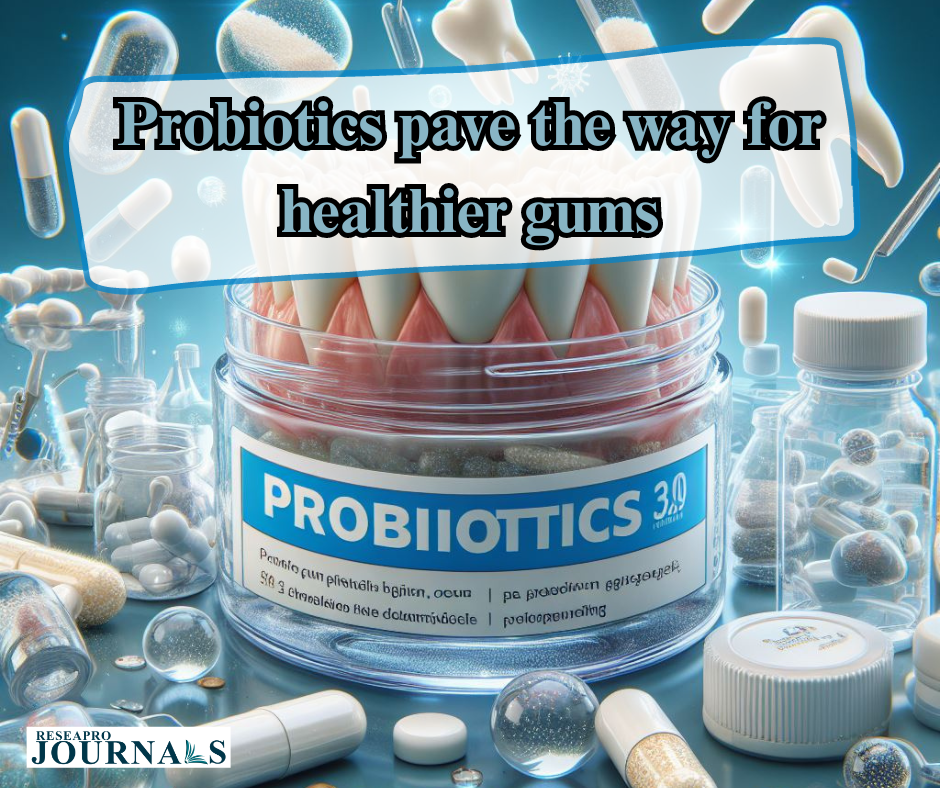
Using Probiotics for Healthier Gums and Stronger, More Resilient Teeth
Using Probiotics for Healthier Gums and Stronger, More Resilient Teeth
For centuries, humans have relied on natural remedies to improve their health. Now, scientific research is catching up, revealing the surprising power of probiotics—live microorganisms—in bolstering oral health. Forget the harsh chemicals in many mouthwashes; a growing body of evidence suggests that strategically incorporating probiotics into your routine can lead to healthier gums, stronger teeth, and a significantly improved smile. This article explores the fascinating connection between probiotics and oral health, detailing how these beneficial bacteria contribute to a brighter, healthier future for your teeth and gums.
Understanding the Oral Microbiome and its Impact
Your mouth teems with a complex ecosystem of bacteria, fungi, and viruses—collectively known as the oral microbiome. This microbial community plays a crucial role in maintaining oral health. A balanced microbiome, with a healthy variety of beneficial bacteria, helps prevent the overgrowth of harmful bacteria responsible for gum disease and tooth decay. However, an imbalance, often triggered by poor oral hygiene, a high-sugar diet, or even stress, can lead to a cascade of oral health problems. Harmful bacteria produce acids that erode tooth enamel, leading to cavities, and trigger inflammation in the gums, resulting in gingivitis and periodontitis.
The Role of Probiotics in Oral Health
Probiotics, often referred to as "good bacteria," can help restore balance to the oral microbiome. They achieve this through several mechanisms: They compete with harmful bacteria for resources and space, effectively reducing their numbers. Some probiotics produce substances that inhibit the growth of harmful bacteria, further limiting their impact. Additionally, certain probiotics can strengthen the immune response in the mouth, making it more effective at fighting off infections. This multifaceted approach contributes to a healthier, more resilient oral environment.
Specific Probiotic Strains and their Benefits
Not all probiotics are created equal. Research suggests that specific strains show particular promise in improving oral health. For example, strains like Lactobacillus and Streptococcus have demonstrated effectiveness in reducing gingivitis and plaque formation. These strains exhibit a remarkable ability to colonize the oral cavity, effectively outcompeting harmful bacteria. Further research is ongoing to identify and characterize even more beneficial probiotic strains for optimal oral health outcomes. Always consult with a healthcare professional or dentist before introducing new probiotics into your routine, particularly if you have underlying health conditions.
Incorporating Probiotics into Your Oral Health Routine
There are several ways to incorporate probiotics into your oral health routine. You can find probiotic supplements specifically formulated for oral health, often containing a blend of beneficial strains. These supplements typically come in the form of capsules, tablets, or even lozenges that dissolve in the mouth. Alternatively, you can consume foods naturally rich in probiotics, such as yogurt with live and active cultures, kefir, and sauerkraut. Remember, consistency is key! Regular use of probiotics, alongside good oral hygiene practices (brushing, flossing, and regular dental check-ups), offers the greatest benefits.
Beyond Supplements: A Holistic Approach
While probiotic supplements and probiotic-rich foods are beneficial, remember that maintaining a healthy oral microbiome requires a holistic approach. This includes:
- Practicing meticulous oral hygiene, including brushing and flossing at least twice a day.
- Maintaining a balanced diet low in sugar and processed foods.
- Managing stress levels, as stress can negatively impact the oral microbiome.
- Visiting your dentist regularly for professional cleanings and check-ups.
Monday, 27 January 2025
How to Restore a Healthy Oral Microbiome After Using Mouthwash

Restoring a Healthy Oral Microbiome After Mouthwash Use
Mouthwashes, while often marketed for their ability to freshen breath and combat oral pathogens, can inadvertently disrupt the delicate balance of the oral microbiome. This complex ecosystem of bacteria, fungi, viruses, and archaea plays a crucial role in maintaining oral health. The indiscriminate use of mouthwash, particularly those containing antimicrobial agents, can lead to a reduction in beneficial microbial species, potentially creating an environment conducive to opportunistic pathogens and contributing to various oral health problems. This article will explore the impact of mouthwash on the oral microbiome and detail strategies for restoring a healthy balance after its use.
Understanding the Oral Microbiome and its Importance
The oral cavity harbors one of the most diverse and densely populated microbial communities in the human body. This microbiome is not a homogenous entity; its composition varies significantly based on factors such as age, diet, genetics, and oral hygiene practices. A healthy oral microbiome is characterized by a stable and diverse community where beneficial bacteria outnumber and suppress potentially harmful species. These beneficial bacteria contribute to several vital functions, including:
- Protection against pathogens: Beneficial bacteria compete with pathogens for resources and space, preventing colonization and infection.
- Immune system modulation: The oral microbiome interacts with the host immune system, shaping its response and preventing excessive inflammation.
- Nutrient metabolism: Certain bacteria aid in the breakdown of food particles and contribute to overall nutrient absorption.
- Maintenance of oral tissue integrity: The microbiome plays a role in maintaining the integrity of the gums, teeth, and other oral structures.
Disruption of this delicate equilibrium, known as dysbiosis, can lead to a range of oral health issues, including gingivitis, periodontitis, caries (tooth decay), and halitosis (bad breath).
The Impact of Mouthwash on the Oral Microbiome
Many commercially available mouthwashes contain antimicrobial agents, such as chlorhexidine, cetylpyridinium chloride (CPC), and essential oils, designed to kill or inhibit the growth of bacteria. While effective in reducing the levels of specific pathogens, these agents often lack selectivity, targeting both beneficial and harmful bacteria. This indiscriminate antimicrobial action can lead to a significant reduction in microbial diversity, creating an environment ripe for opportunistic pathogens to thrive.
Specific Effects of Mouthwash Components
Chlorhexidine, a powerful antiseptic, is highly effective against a broad range of bacteria but can also significantly alter the composition of the oral microbiome, potentially leading to the overgrowth of less susceptible species, including Candida albicans, a fungus responsible for oral thrush. CPC, another common antimicrobial agent, demonstrates a similar effect, disrupting the balance of the oral microbiome and potentially increasing susceptibility to infections.
Essential oil-based mouthwashes, while often perceived as milder, can still affect the oral microbiome's diversity. While some studies suggest less disruption compared to chlorhexidine and CPC, the long-term effects of their regular use on the microbiome still require further investigation. The disruption of the oral microbiome by mouthwash use can manifest in various ways, including:
- Reduced microbial diversity: A decrease in the number and types of bacterial species present.
- Increased susceptibility to infection: The loss of beneficial bacteria allows opportunistic pathogens to proliferate.
- Inflammation: Disruption of the microbiome can trigger an inflammatory response in the oral tissues.
- Altered taste perception: Some mouthwash components can temporarily affect taste buds.
Restoring a Healthy Oral Microbiome After Mouthwash Use
Restoring a healthy oral microbiome after mouthwash use requires a multifaceted approach focused on promoting the growth of beneficial bacteria and mitigating the negative effects of antimicrobial agents. This process typically involves a combination of strategies:
1. Cessation or Reduction of Mouthwash Use
The first and most crucial step is to reduce or eliminate the use of mouthwash, particularly those containing strong antimicrobial agents. This allows the oral microbiome to recover naturally and re-establish its balance. If mouthwash use is deemed necessary for specific conditions, such as managing gingivitis, it should be used under the guidance of a dental professional, and potentially with a reduced frequency.
2. Improved Oral Hygiene Practices
Maintaining optimal oral hygiene is essential for supporting the growth of a healthy microbiome. This includes:
- Regular brushing and flossing: Removes food debris and plaque, preventing the accumulation of harmful bacteria.
- Proper brushing technique: Ensures effective cleaning of all tooth surfaces.
- Tongue scraping: Removes bacteria from the tongue, reducing bad breath.
3. Dietary Modifications
Diet plays a significant role in shaping the oral microbiome. A diet rich in fruits, vegetables, and whole grains provides essential nutrients that support the growth of beneficial bacteria. Conversely, diets high in sugar and processed foods can promote the growth of harmful bacteria. Consider increasing the consumption of prebiotic-rich foods, which act as a food source for beneficial bacteria, such as:
- Bananas
- Onions
- Garlic
- Leeks
4. Probiotic Supplementation
Probiotic supplements containing specific strains of beneficial oral bacteria can help repopulate the microbiome and restore its balance. However, it's crucial to consult a dentist or healthcare professional before using probiotic supplements, as the effectiveness and safety of various strains can vary.
5. Professional Dental Care
Regular visits to the dentist are crucial for maintaining oral health and monitoring the recovery of the microbiome. Professional cleaning removes plaque and tartar, preventing infections and promoting a healthy oral environment.
Conclusion
While mouthwashes can be useful in certain situations, their indiscriminate use can significantly disrupt the delicate balance of the oral microbiome, potentially leading to various oral health problems. Restoring a healthy microbiome after mouthwash use requires a holistic approach, combining cessation or reduction of mouthwash usage, improved oral hygiene practices, dietary modifications, potential probiotic supplementation, and regular professional dental care. By adopting these strategies, individuals can promote the growth of beneficial bacteria and restore the natural equilibrium of their oral microbiome, leading to improved oral health and overall well-being.
How to Prevent Gum Inflammation with Proper Oral Hygiene

Conquer Gum Inflammation: Your Guide to Stellar Oral Hygiene
Gum inflammation, or gingivitis, is a common problem that, if left unchecked, can lead to serious dental issues like periodontitis. The good news? You have the power to prevent it through diligent oral hygiene. This guide will equip you with the knowledge and techniques to keep your gums healthy and your smile bright. We'll delve into the specifics of brushing, flossing, and other crucial steps that contribute to a robust oral health regime.
Mastering the Art of Brushing
Brushing your teeth may seem straightforward, but proper technique is crucial for preventing gum inflammation. Don't just go through the motions! Choose a toothbrush with soft bristles to avoid irritating your gums. Use a fluoride toothpaste, as fluoride strengthens tooth enamel and helps fight bacteria. Angle your toothbrush at a 45-degree angle to the gum line, and use gentle, short back-and-forth strokes. Focus on each tooth individually, ensuring you clean all surfaces â€" the outer, inner, and chewing surfaces. Brush for a full two minutes, twice a day â€" ideally in the morning and before bed. Consider using a timer or a toothbrush with a built-in timer to ensure you dedicate sufficient time to the task.
Selecting the Right Toothbrush
The choice of toothbrush significantly impacts your gum health. Opt for a soft-bristled brush to avoid abrasion. Many modern toothbrushes incorporate features such as angled heads for better access to back teeth and ergonomic handles for improved comfort. Experiment to find a toothbrush that feels comfortable and effectively cleans your teeth. Consider electric toothbrushes as these often offer superior cleaning and have timers built in.
The Importance of Flossing: Reaching Those Hard-to-Reach Places
Brushing alone isn't enough to prevent gum inflammation. Food particles and plaque easily accumulate between your teeth, where your toothbrush can't reach. Flossing is essential for removing this debris and preventing the buildup of bacteria that causes gingivitis. Use about 18 inches of floss, wrapping most of it around your middle fingers. Gently guide the floss between your teeth using a sawing motion, curving it around each tooth in a "C" shape. Don't snap the floss, as this can damage your gums. Make sure you floss thoroughly, reaching below the gum line. Aim to floss at least once a day.
Beyond Brushing and Flossing: Completing Your Oral Hygiene Routine
While brushing and flossing form the core of your oral hygiene routine, several additional practices significantly contribute to gum health. These practices supplement your brushing and flossing to create a comprehensive oral health regime.
Mouthwash: A Valuable Addition
Therapeutic mouthwashes, especially those containing chlorhexidine or essential oils, can help reduce bacteria and inflammation. However, always follow the instructions on the product label and consult with your dentist before using mouthwash regularly, as overuse can lead to unwanted side effects.
Regular Dental Checkups: Prevention is Key
Regular visits to your dentist are non-negotiable for maintaining optimal gum health. Schedule professional cleanings at least twice a year. Your dentist can remove stubborn plaque and tartar buildup that you can't remove at home, preventing gum disease and identifying potential problems early on. These check-ups ensure early detection of any gum issues, allowing for prompt treatment and prevention of further complications.
Dietary Considerations: Fueling Oral Health
A balanced diet plays a crucial role in overall health, including oral health. Limit sugary drinks and snacks, as they feed the bacteria that contribute to gum inflammation. Incorporate foods rich in vitamins and minerals that support healthy gums, such as fruits, vegetables, and dairy products.
By diligently following these steps, you'll be well on your way to preventing gum inflammation and maintaining a healthy, radiant smile for years to come. Remember, consistency is key! Make oral hygiene a non-negotiable part of your daily routine and reap the rewards of healthy gums and a confident smile.
How to Relieve Gum Sensitivity in One Spot with Clove Oil

Taming That Toothache: Targeting Gum Sensitivity with Clove Oil
Experiencing a sharp, stinging pain in one specific area of your gums? That localized sensitivity can be incredibly frustrating, disrupting your daily life and making even simple things like eating or drinking uncomfortable. While a dentist visit is always recommended for persistent or severe gum pain, you might find temporary relief with a readily available natural remedy: clove oil. Known for its potent analgesic and antiseptic properties, clove oil can offer a soothing respite from that nagging gum sensitivity. This guide will walk you through how to effectively and safely use clove oil to target that one specific spot of discomfort.
Understanding the Power of Clove Oil
Clove oil's effectiveness against gum sensitivity stems from its primary component, eugenol. Eugenol is a powerful natural anesthetic that numbs the affected area, effectively reducing pain. Beyond its numbing effect, eugenol also possesses significant antibacterial and anti-inflammatory properties. This means clove oil not only tackles the pain but also helps combat any underlying infection that might be contributing to your gum sensitivity. However, it's crucial to remember that clove oil is a temporary solution; it doesn't address the root cause of the problem. Consistent, localized pain necessitates a visit to your dentist for a proper diagnosis and treatment plan.
Applying Clove Oil for Targeted Relief
Precision is key when applying clove oil to a specific area of gum sensitivity. Avoid haphazardly swishing or rinsing, as this will dilute the oil and reduce its effectiveness. Instead, follow these steps for optimal results:
Gather Your Supplies
You'll need just a few things: a small bottle of 100% pure clove oil (ensure it's undiluted), cotton swabs (or a clean toothpick), and a mirror for precise application. Avoid using clove oil that’s been mixed with other ingredients as you want to control the concentration for a localized effect.
The Application Process
- Cleanse the Area: Before applying clove oil, gently clean the affected area with a soft-bristled toothbrush and some lukewarm water. This removes any food particles or debris that might interfere with the oil's absorption.
- Apply the Oil: Using a cotton swab or clean toothpick, carefully dab a tiny amount of clove oil directly onto the sensitive gum tissue. A little goes a long way; start with a minuscule drop and add more only if necessary. Excessive amounts can irritate the gums.
- Avoid Ingestion: Be extremely cautious to avoid swallowing the oil. Keep the oil away from your tongue and the rest of your mouth to prevent accidental ingestion. If ingestion occurs, contact your doctor or poison control immediately.
- Monitor and Repeat: Observe the affected area for any changes. The numbing effect should begin within a few minutes. You can reapply the clove oil as needed, but don't exceed more than three applications within a 24-hour period.
Important Considerations and Cautions
While clove oil offers temporary relief, it's not a replacement for professional dental care. Always consult your dentist if your gum sensitivity persists, worsens, or is accompanied by other symptoms like swelling, fever, or intense throbbing pain. Clove oil can also cause allergic reactions in some individuals. Before using it for the first time, perform a small patch test on an inconspicuous area of skin to check for any adverse reactions. Pregnant or breastfeeding women should avoid using clove oil without consulting their doctor first. Finally, keep clove oil out of reach of children.
By following these guidelines, you can utilize the natural pain-relieving properties of clove oil to address localized gum sensitivity. Remember, however, that this is a temporary solution, and addressing the underlying cause with the help of your dentist is crucial for long-term oral health.
Best Natural Remedies for Sensitive Gums and Oral Health
Best Natural Remedies for Sensitive Gums and Oral Health
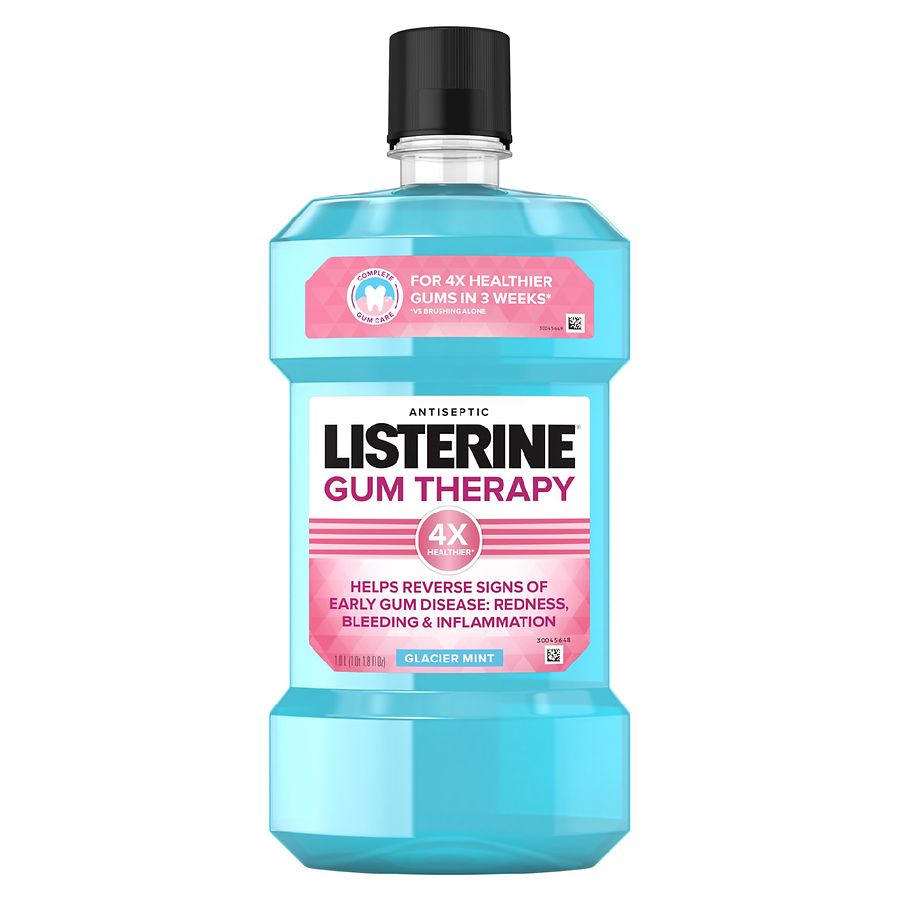
Sensitive gums are a common problem, often causing discomfort and impacting your overall oral health. The throbbing pain, bleeding, and general irritation can make even simple tasks like brushing and eating challenging. Thankfully, several natural remedies can effectively soothe sensitive gums and promote better oral hygiene. These methods often work by reducing inflammation, strengthening gum tissue, and fighting off harmful bacteria â€" all crucial for a healthy mouth.
Understanding Sensitive Gums
Sensitive gums are usually a sign of underlying gum inflammation, often called gingivitis. This inflammation is typically caused by plaque buildup, a sticky film of bacteria that constantly forms on your teeth. If left unchecked, plaque hardens into tartar, further irritating your gums and potentially leading to more serious conditions like periodontitis (gum disease). Other contributing factors include aggressive brushing, hormonal changes (particularly in women), certain medications, and even nutritional deficiencies. Understanding the root cause is important, as this helps you tailor your treatment plan effectively.
Natural Remedies for Relief
The Power of Saltwater Rinses
A simple yet incredibly effective remedy is a saltwater rinse. The salt's antimicrobial properties help combat bacteria responsible for inflammation. To make a rinse, dissolve ½ to ¾ teaspoon of salt in 8 ounces of warm water. Swish this solution around your mouth for about 30-60 seconds, then spit it out. Repeat this two to three times a day, especially after meals, for noticeable relief. The salt's osmotic action also draws out excess fluid from inflamed gum tissue, reducing swelling and discomfort.
Aloe Vera: Nature's Soothing Agent
Known for its anti-inflammatory and healing properties, aloe vera gel offers fantastic relief for sensitive gums. Apply a small amount of pure aloe vera gel directly to the affected areas using a clean finger or cotton swab. Let it sit for a few minutes before rinsing your mouth with water. Aloe vera's soothing action helps reduce pain and inflammation, promoting faster healing. You can find pure aloe vera gel at most health food stores or even extract it from the plant itself.
The Benefits of Essential Oils
Certain essential oils possess potent antimicrobial and anti-inflammatory properties beneficial for gum health. Tea tree oil and clove oil are particularly effective. However, it is crucial to use these oils diluted in a carrier oil like coconut oil, as they can irritate the gums in their undiluted form. Mix a few drops of the essential oil with a teaspoon of carrier oil and gently massage it onto your gums. Remember to rinse thoroughly afterwards. Always perform a patch test before applying any essential oil to a larger area to check for potential allergic reactions.
Dietary Changes for Gum Health
Your diet plays a significant role in your oral health. Increase your intake of vitamin C, which is crucial for collagen production and gum tissue repair. Foods rich in vitamin C include citrus fruits, berries, and leafy green vegetables. Also incorporate foods rich in calcium and vitamin K, which support bone and gum health. Minimize sugary foods and drinks, as they contribute to plaque formation and exacerbate gum sensitivity.
Maintaining Optimal Oral Health
While natural remedies provide excellent relief, they are most effective when combined with proper oral hygiene practices. This includes brushing your teeth twice daily with a soft-bristled toothbrush, flossing at least once a day, and visiting your dentist regularly for professional cleanings and checkups. These preventative measures help remove plaque and tartar buildup, preventing gum inflammation and maintaining healthy gums and teeth for life.
Disclaimer: This article provides general information and should not be considered medical advice. Always consult your dentist or a healthcare professional for diagnosis and treatment of any oral health concerns.