Friday, 22 November 2024
Using Probiotics to Prevent Gingivitis and Improve Gum Health

Using Probiotics to Prevent Gingivitis and Improve Gum Health
Hey there! Let's talk about something super important â€" your gum health. We all know that a dazzling smile starts with healthy gums, but did you know that probiotics might be your secret weapon in the fight against gingivitis and other gum problems? I'm not a dentist (so please, don't take this as medical advice!), but I've done a lot of digging into the world of probiotics and oral health, and I'm excited to share what I've learned. This isn't a miracle cure, but it's a fascinating area of research with some really promising results.
What is Gingivitis, Anyway?
Before we dive into the probiotic power, let's quickly refresh our memory on gingivitis. It's basically the early stage of gum disease, characterized by inflammation and redness of the gums. It's usually caused by a build-up of plaque â€" that sticky film of bacteria that forms on your teeth. If left untreated, gingivitis can progress to periodontitis, a more serious condition that can lead to tooth loss. Yuck!
The good news? Gingivitis is often reversible with proper oral hygiene. And that's where probiotics might just give your regular brushing and flossing a helpful boost.
How Do Probiotics Help?
Probiotics are live microorganisms (like bacteria and yeasts) that, when ingested in adequate amounts, confer a health benefit to the host. Think of them as the "good guys" in your gut (and mouth!). They work in several ways to improve oral health:
Balancing the Oral Microbiome
Your mouth is a bustling ecosystem of bacteria, both good and bad. Gingivitis happens when the "bad" bacteria get out of control. Probiotics help restore balance by competing with the harmful bacteria for space and resources. This reduces the overall number of harmful bacteria in your mouth, lessening the inflammation and improving gum health.
Strengthening the Immune System
Probiotics don't just fight bad bacteria directly; they also support your immune system. They can stimulate the production of antibodies and other immune cells that help defend against infections, including those that contribute to gum disease. Think of it like giving your immune system a little extra firepower.
Reducing Inflammation
Inflammation is a key player in gingivitis. Some studies suggest that certain probiotics can reduce inflammation in the gums, easing symptoms like redness, swelling, and bleeding. This anti-inflammatory effect is a big part of why probiotics are showing such promise in improving gum health.
Types of Probiotics for Gum Health
Not all probiotics are created equal. While research is still ongoing, some strains have shown particular promise for oral health. These often include:
- Lactobacillus strains (like L. rhamnosus and L. reuteri)
- Bifidobacterium strains
- Weissella cibaria
You'll often find these strains in probiotic yogurts, supplements, and even some mouthwashes. However, it's important to remember that the research is still relatively new, and more studies are needed to confirm the optimal strains and dosages for gum health.
How to Incorporate Probiotics into Your Oral Health Routine
There are several ways you can add probiotics to your life to potentially improve your gum health:
- Probiotic Yogurt: Enjoy a daily serving of yogurt containing live and active cultures. Look for yogurts with strains mentioned above.
- Probiotic Supplements: These are available in various forms, including capsules and powders. Always check the label to ensure they contain strains that have shown promise for oral health. Consult your doctor before starting any new supplements, especially if you have underlying health conditions.
- Probiotic Mouthwashes: Some mouthwashes now incorporate probiotics. These can provide a direct application of beneficial bacteria to the mouth. However, the effectiveness might be limited as compared to consuming probiotics directly.
- Fermented Foods: Foods like kimchi, sauerkraut, and kefir are naturally rich in probiotics. Incorporating these into your diet can contribute to a healthier gut and potentially support your oral microbiome.
Remember, incorporating probiotics is just one piece of the puzzle. Maintaining good oral hygiene â€" brushing twice a day, flossing daily, and regular dental check-ups â€" remains crucial for preventing gingivitis and maintaining healthy gums.
Important Considerations
Before you rush out and buy every probiotic product on the shelf, remember:
- Consult your dentist: Always discuss any changes to your health regimen with your dentist, especially if you have existing gum disease or other oral health concerns.
- Not a replacement for good hygiene: Probiotics are a supplementary measure, not a replacement for proper brushing, flossing, and regular dental check-ups.
- Research the strains: Pay attention to the specific strains of probiotics in any product you choose. Not all strains are created equal in terms of their effectiveness for oral health.
- Be patient: Seeing results may take time. Consistent use of probiotics along with good oral hygiene is key.
Commonly Asked Questions
Q: Will probiotics cure my gingivitis?
A: Probiotics are unlikely to cure gingivitis on their own. They can help improve gum health and potentially reduce inflammation, but they should be used in conjunction with proper oral hygiene and professional dental care.
Q: Are there any side effects of using oral probiotics?
A: Side effects are generally mild and rare. Some people might experience mild digestive upset, such as gas or bloating, particularly when first starting probiotic supplements. If you experience any concerning side effects, stop use and consult your doctor.
Q: How long does it take to see results?
A: It varies from person to person, but you may start to notice improvements in your gum health within a few weeks of consistent use of probiotics combined with good oral hygiene. However, more significant improvements might take several months.
Q: Can I use probiotics if I'm on medication?
A: It's crucial to talk to your doctor or dentist before incorporating probiotics into your routine if you're currently taking any medication, especially antibiotics or immunosuppressants. Some interactions are possible.
Q: Where can I find more information?
A: You can search for peer-reviewed studies on PubMed or other scientific databases. Always look for credible sources and remember to discuss any health concerns with your dentist or doctor.
This information is for educational purposes only and is not intended as medical advice. Always consult with a qualified healthcare professional before making any decisions about your health or treatment.

Top Online Stores to Buy Purple Carrots for Your Kitchen

Unearthing the Best Online Spots for Purple Carrots: A Kitchen Adventure
Hey there, fellow food adventurers! So, you're on the hunt for those vibrant, almost magical purple carrots? You've come to the right place. Let's dive into the wonderful world of online shopping for these unique root vegetables. Finding the perfect online store can feel like searching for a needle in a haystack, but don't worry, I've done the legwork for you. I've scoured the internet, checking out various online stores, comparing prices, reading reviews, and even checking shipping reliability to bring you this comprehensive guide.Why Buy Purple Carrots Online?
Before we jump into the best places to buy them, let's talk about why you might choose online shopping over your local grocery store. Sometimes, finding specialty items like purple carrots can be a challenge at your average supermarket. Online stores often stock a wider variety of produce, including heirloom varieties like these beautiful purple beauties. You also get the convenience of having them delivered right to your door, saving you a trip to the store (especially helpful on those days when even the thought of grocery shopping feels overwhelming!). And let's be honest, sometimes you just want the thrill of opening a box of surprisingly vibrant vegetables and adding a splash of color to your otherwise ordinary week.
Top Online Stores for Purple Carrot Bliss
Now, let's get to the good stuff: the actual online stores! I've focused on those known for quality, reliability, and a good selection of produce. Remember, availability can vary depending on the season, so be sure to check their websites for current offerings.
Farm Fresh to You
Farm Fresh to You is a great option if you're looking for a truly farm-to-table experience. They partner with various farms across the country, offering a rotating selection of seasonal produce, often including purple carrots. I've found their produce consistently fresh and high-quality. They often feature information about the farms and farmers involved, which I appreciate. One thing to keep in mind is that their availability changes frequently â€" it’s best to check regularly for purple carrots and subscribe to their email updates. Also, their prices can be a little higher than other options, but you're paying for quality and supporting smaller farms.
The Bountiful Basket
The Bountiful Basket is another excellent choice for those seeking a CSA-like experience without the commitment. They offer various box sizes with a curated selection of seasonal fruits and vegetables. They don’t always guarantee purple carrots, but I've had them appear in my boxes a few times, usually during the cooler months. The variety is part of the fun! This is a great option if you want a mix of produce and aren't necessarily laser-focused on just getting purple carrots.
Specialty Produce Websites
Websites specializing in organic or heirloom produce are frequently a treasure trove for unique items like purple carrots. A quick search online for "organic purple carrots" or "heirloom purple carrots" will often reveal smaller, specialized farms or online retailers selling them. Be sure to check reviews before committing to an order, as the quality and shipping practices can vary significantly. It’s worthwhile to search for local options; supporting your local farmers is always a great idea!
Amazon Fresh & Other Major Grocers' Online Markets
Don't count out the big players! Amazon Fresh, Walmart Grocery, and other major grocery store online markets sometimes carry purple carrots, especially during peak season. Their selection can be unpredictable, however. It's worth checking periodically, especially if you're already ordering other groceries online. The advantage is convenience â€" if you're already shopping there, adding purple carrots is easy. The downside is that the quality may not be as consistent as with smaller, more specialized sellers.
Tips for Choosing Your Online Purple Carrot Source
Now that we've explored a few options, let's look at some key factors to consider when selecting your online purveyor of purple perfection:
- Check Reviews: Before placing an order, always read reviews from other customers. Pay attention to comments about the freshness of the produce, the quality of packaging, and the reliability of shipping.
- Consider Shipping Costs: Shipping can sometimes outweigh the cost of the carrots themselves, especially for smaller orders. Factor this into your decision-making process.
- Look for Sustainable Practices: If you're passionate about environmental responsibility, choose a seller committed to sustainable farming practices.
- Read the Fine Print: Pay close attention to the seller's return policy and shipping guarantees, just in case something goes wrong.
- Think Seasonality: Keep in mind that purple carrots, like other produce, are seasonal. Availability will likely be better during the cooler months.
Beyond the Buy: Cooking with Purple Carrots
Once you have your beautiful purple carrots, what do you do with them? They're incredibly versatile! They can be roasted, sautéed, added to soups and stews, or even juiced for a vibrant drink. Their slightly sweeter flavor compared to traditional orange carrots makes them delightful in both savory and sweet dishes.
Frequently Asked Questions (FAQs)
Let's address some common questions about buying and using purple carrots online:
Q: Are purple carrots more expensive than orange carrots?
A: Generally, yes. Because they are a less common variety, purple carrots tend to command a slightly higher price than their orange counterparts. However, the unique color and flavor make it a worthwhile indulgence for many.
Q: How long will my purple carrots last?
A: Properly stored in the refrigerator, your purple carrots should last for about a week or two. Make sure to store them in a crisper drawer.
Q: What if my purple carrots arrive damaged?
A: Contact the seller immediately! Most reputable online stores have policies to address damaged or spoiled produce. Provide photos of the damage and they should usually offer a refund or replacement.
Q: Can I grow purple carrots myself?
A: Absolutely! Many seed companies offer purple carrot seeds. Growing your own can be a rewarding experience, and you'll have a constant supply of these colorful vegetables.
There you have it! Armed with this information, you’re ready to embark on your purple carrot journey. Happy shopping and happy cooking!
Why Seniors Should Consider Probiotics for Oral Health
The Salubrious Effects of Probiotics on Oral Health in the Elderly
The aging process often presents unique challenges to overall health, and oral health is no exception. Seniors frequently experience a decline in salivary flow, increased susceptibility to periodontal disease, and a heightened risk of oral infections. These factors contribute to a decreased quality of life, impacting nutrition, comfort, and overall well-being. While conventional dental care remains paramount, emerging research highlights the potential benefits of probiotics in bolstering oral health among the elderly population. This article explores the multifaceted ways in which probiotics can contribute to improved oral hygiene and a healthier mouth for seniors.
The Oral Microbiome and Age-Related Changes
The oral cavity harbors a complex ecosystem of microorganisms, collectively known as the oral microbiome. This intricate community of bacteria, fungi, viruses, and archaea plays a crucial role in maintaining oral health. A balanced microbiome is characterized by a diverse range of microorganisms, with beneficial species outnumbering potentially harmful ones. However, the composition and function of the oral microbiome undergo significant alterations with age.
Decline in Salivary Flow and its Consequences
Age-related xerostomia (dry mouth) is a prevalent issue among seniors. Saliva plays a vital role in maintaining oral health by lubricating the oral mucosa, neutralizing acids produced by bacteria, and facilitating the clearance of microorganisms. A reduction in salivary flow compromises these protective mechanisms, creating an environment conducive to the proliferation of pathogenic bacteria and an increased risk of caries (tooth decay), periodontal disease, and oral candidiasis (thrush).
Increased Susceptibility to Periodontal Disease
Periodontal disease, encompassing gingivitis and periodontitis, is a major oral health concern among older adults. Characterized by inflammation and destruction of the supporting tissues of the teeth, periodontal disease can lead to tooth loss, impaired mastication (chewing), and systemic health complications. The age-related decline in immune function, coupled with altered salivary composition and reduced oral hygiene practices, contributes to increased susceptibility to periodontal disease in seniors.
Weakened Immune Response
The immune system naturally weakens with age, rendering older individuals more vulnerable to infections. This diminished immune response affects the oral cavity, making seniors more susceptible to oral infections caused by opportunistic pathogens such as Candida albicans (the fungus responsible for thrush) and various bacterial species implicated in periodontal disease. The compromised immune response also hinders the body's ability to effectively combat oral infections, prolonging their duration and severity.
Probiotics: A Potential Ally in Oral Health
Probiotics, defined as live microorganisms that confer health benefits when administered in adequate amounts, have emerged as a promising therapeutic strategy for improving oral health. Specific strains of probiotics have demonstrated the ability to modulate the composition and function of the oral microbiome, suppressing the growth of harmful bacteria and promoting the growth of beneficial species. This modulation can contribute to a more balanced oral ecosystem, reducing the risk of various oral diseases.
Mechanisms of Action
Probiotics exert their beneficial effects through several mechanisms, including:
- Competition for nutrients and adhesion sites: Probiotic bacteria compete with pathogenic bacteria for essential nutrients and binding sites on the tooth surface and oral mucosa, thereby limiting the growth and colonization of harmful microorganisms.
- Production of antimicrobial substances: Certain probiotic strains produce antimicrobial compounds, such as bacteriocins, that inhibit the growth of pathogenic bacteria. These substances contribute to the suppression of oral pathogens and the maintenance of a balanced oral microbiome.
- Modulation of the immune response: Probiotics can stimulate the immune system, enhancing the body's ability to defend against oral infections. They can also help to regulate the inflammatory response, reducing the severity of periodontal disease.
- Enhancement of salivary flow: Some studies suggest that certain probiotic strains may contribute to increased salivary flow, thereby mitigating the adverse effects of xerostomia and promoting a more favorable oral environment.
Specific Probiotic Strains and their Benefits
While research is ongoing, several probiotic strains have shown promise in improving oral health. Lactobacillus species, such as Lactobacillus rhamnosus and Lactobacillus reuteri, and Streptococcus salivarius are among the strains that have demonstrated efficacy in reducing oral pathogens and improving oral health parameters. However, it's crucial to remember that the effectiveness of a probiotic strain can vary depending on the individual and the specific oral condition.
Considerations for Seniors Using Probiotics for Oral Health
While probiotics offer significant potential for improving oral health in seniors, several factors should be considered before incorporating them into an oral health regimen:
Consultation with Healthcare Professionals
It is essential for seniors to consult with their dentist or physician before starting any probiotic supplement. This is particularly important for individuals with underlying health conditions or those taking other medications, as interactions are possible. A healthcare professional can assess individual needs and recommend appropriate probiotic strains and dosages.
Product Selection and Quality
The quality and efficacy of probiotic supplements vary significantly. Seniors should choose products from reputable manufacturers that guarantee the viability and purity of their probiotic strains. Look for products with clearly stated strain identities and guaranteed colony-forming units (CFUs).
Adherence to Dosage and Administration
To maximize the benefits of probiotics, seniors must adhere to the recommended dosage and administration instructions. Consistency is crucial for achieving a positive impact on the oral microbiome.
Integration with Conventional Oral Hygiene Practices
Probiotics should be considered a complementary approach to, not a replacement for, conventional oral hygiene practices. Maintaining good oral hygiene, including regular brushing, flossing, and professional dental cleanings, remains paramount for maintaining optimal oral health.
Conclusion
The aging process brings about significant changes in the oral microbiome, increasing the risk of various oral diseases. Probiotics offer a promising avenue for enhancing oral health in seniors by modulating the composition and function of the oral microbiome, improving immune response, and potentially increasing salivary flow. However, it's crucial to approach probiotic use responsibly, consulting with healthcare professionals to select appropriate strains and dosages and integrating them with a comprehensive oral hygiene regimen. Further research is needed to fully elucidate the long-term effects of probiotics on oral health in the elderly population, but the current evidence suggests that they hold significant potential as a valuable tool in maintaining a healthy and comfortable mouth throughout the aging process.
How Probiotics Help Maintain Healthy Gums Over Time

The Probiotic Powerhouse: How Friendly Bacteria Keep Your Gums Healthy
Gum health is crucial for overall oral and systemic well-being. While diligent brushing and flossing form the cornerstone of a good oral hygiene routine, emerging research highlights the significant role probiotics play in maintaining healthy gums over time. These beneficial bacteria, when introduced into the mouth, can actively combat harmful microorganisms, bolstering your natural defenses against gum disease. This article delves into the fascinating ways probiotics contribute to long-term gum health.
Understanding the Oral Microbiome and its Impact on Gum Health
Your mouth teems with a complex community of microorganisms â€" the oral microbiome. This ecosystem comprises both beneficial and harmful bacteria. A balanced microbiome promotes healthy gums, while an imbalance, often triggered by poor oral hygiene or other factors, can lead to gingivitis and periodontitis (gum disease). Harmful bacteria produce inflammatory compounds that irritate the gums, causing redness, swelling, and bleeding. Left untreated, this can result in irreversible damage to the gums and supporting bone structures.
How Probiotics Tip the Scales
Probiotics, essentially "good" bacteria, work to restore balance within the oral microbiome. They achieve this in several key ways: They compete with harmful bacteria for resources and space, effectively limiting the harmful bacteria's ability to colonize and thrive. Furthermore, certain probiotics produce substances that directly inhibit the growth of harmful species. This competitive exclusion and direct antagonism help prevent the harmful bacteria from causing inflammation.
Mechanisms of Probiotic Action in Gum Health
The benefits of probiotics extend beyond simply outcompeting harmful bacteria. They actively contribute to gum health through several specific mechanisms:
Strengthening the Gum Barrier
Probiotics help strengthen the gum's natural defenses by enhancing the integrity of the gingival epithelium (the gum tissue). This reinforced barrier reduces the penetration of harmful bacteria and their toxins, lessening the chances of inflammation and infection. Studies show that certain probiotic strains increase the production of antimicrobial peptides, further bolstering the gum's defense system.
Reducing Inflammation
Chronic inflammation is a hallmark of gum disease. Probiotics modulate the body's inflammatory response by reducing the production of pro-inflammatory cytokines. These cytokines are signaling molecules that contribute to the inflammation process. By dampening this inflammatory cascade, probiotics help alleviate the symptoms of gum disease and prevent further damage.
Improving Immune Response
A robust immune response is essential for combating oral infections. Probiotics stimulate the production of immunoglobulins (antibodies) that target and neutralize harmful bacteria. They also enhance the activity of immune cells, such as macrophages, that engulf and destroy pathogens. This improved immune response is crucial for preventing and managing gum disease.
Practical Applications and Considerations
While research continues to unravel the full potential of probiotics in gum health, several methods already exist for incorporating these beneficial bacteria into your oral care routine:
- Probiotic mouthwashes and gels: These products deliver specific probiotic strains directly to the oral cavity.
- Probiotic supplements: While primarily targeted at gut health, some probiotic strains may also exert positive effects on the oral microbiome.
- Probiotic-rich foods: Consuming foods naturally containing probiotics, like yogurt (with live cultures), can indirectly contribute to a healthier oral microbiome.
Important Note: It's crucial to consult your dentist or healthcare provider before starting any probiotic regimen, especially if you have underlying health conditions or are taking medications. They can help determine the best approach for your individual needs and ensure that the chosen probiotics are safe and effective.
Incorporating probiotics into your oral care routine, alongside diligent brushing and flossing, offers a powerful, natural approach to maintain healthy gums and a radiant smile throughout your life. The research continues to support the potential of these friendly bacteria in the fight against gum disease, offering a promising avenue for improved oral and overall health.
Thursday, 21 November 2024
Top Natural Solutions for Inflamed Gums and Gum Sensitivity
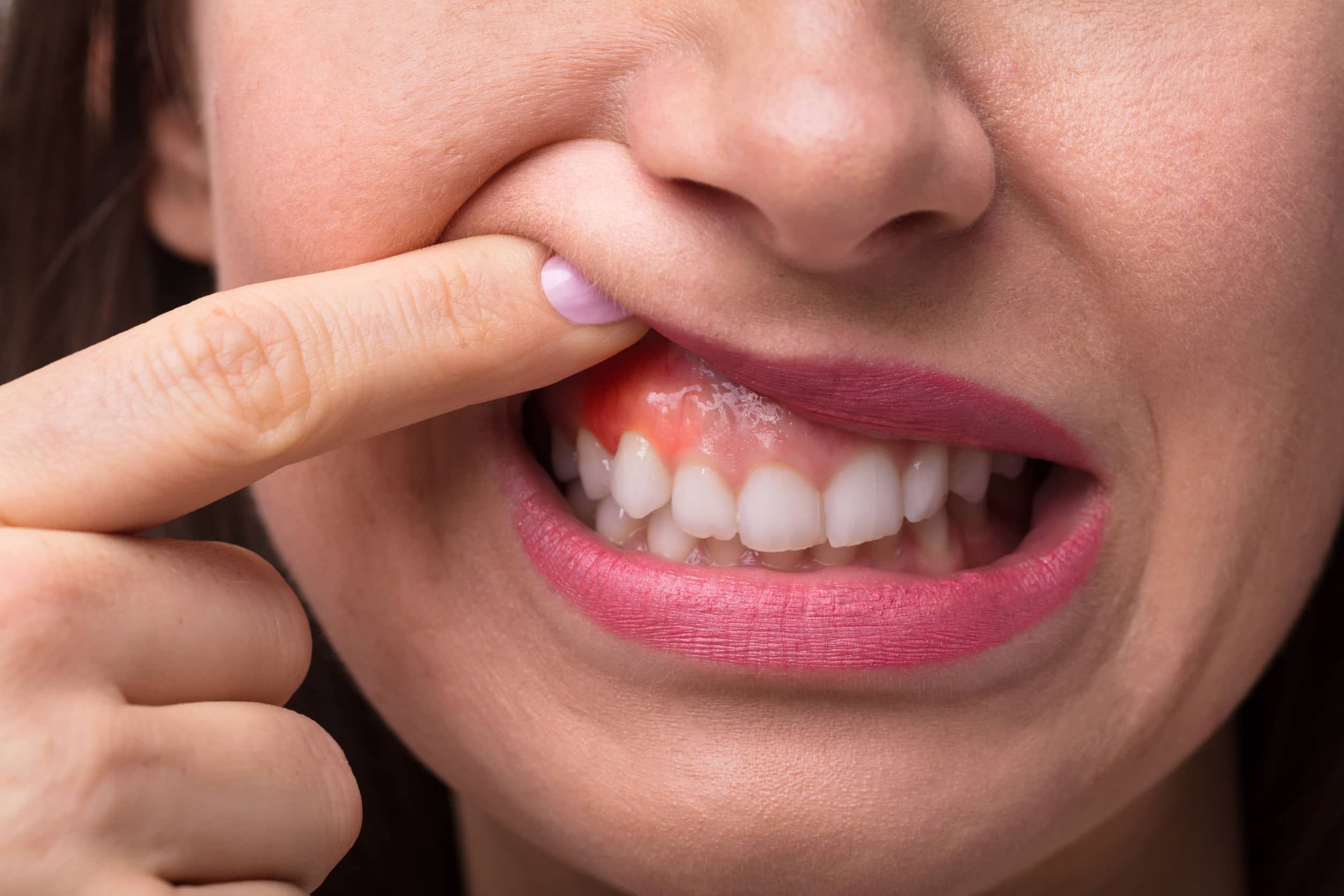
Top Natural Solutions for Inflamed Gums and Gum Sensitivity
Hey there! So, you're dealing with inflamed gums and sensitivity? Ugh, I know how uncomfortable that can be. Brushing and flossing suddenly become a painful chore, and even enjoying your favorite foods feels…off. Don't worry, you're not alone! Many people experience this, and thankfully, there are some fantastic natural solutions that can offer significant relief. Let's dive into some options you can try at home.Understanding the Root of the Problem
Before we jump into the solutions, let's briefly talk about *why* your gums might be inflamed and sensitive. It's often a sign of gingivitis, the early stage of gum disease. Gingivitis is usually caused by plaque buildup â€" that sticky film of bacteria that forms on your teeth. If not properly removed, plaque produces toxins that irritate your gums, leading to inflammation, redness, swelling, and bleeding. Other factors can contribute too, such as:- Poor oral hygiene
- Hormonal changes (like pregnancy)
- Certain medications
- Smoking
- Genetics
- Systemic diseases (like diabetes)
Natural Remedies for Soothed Gums
Now, let's get to the good stuff â€" the natural solutions that can help soothe those irritated gums!1. Saltwater Rinse: The OG of Gum Remedies
This is a classic for a reason! Saltwater rinses are incredibly effective at reducing inflammation and killing bacteria. The salt helps draw out excess fluid from the inflamed tissues, reducing swelling. To do this, simply mix 1/2 to 3/4 teaspoon of salt in 8 ounces of warm water. Swish it around your mouth for about 30-60 seconds, then spit it out. Do this a couple of times a day. It's simple, inexpensive, and surprisingly effective.2. Aloe Vera: Nature's Soothing Gel
Aloe vera is known for its amazing soothing and anti-inflammatory properties. You can apply pure aloe vera gel directly to your gums. Just make sure you're using 100% pure aloe vera gel and not a product with added ingredients that could irritate your gums further. Look for products with a high percentage of aloe vera (around 99% or higher).3. Tea Tree Oil: A Powerful Antibacterial Agent
Tea tree oil has strong antibacterial and anti-inflammatory properties, making it a potential ally in the fight against gum inflammation. However, it's crucial to dilute tea tree oil before using it in your mouth. Never apply undiluted tea tree oil directly to your gums! A safe approach is to mix a few drops of tea tree oil with a tablespoon of coconut oil or another carrier oil, and gently apply it to the affected areas using a cotton swab. A little goes a long way! Remember to always test a small area first to check for any allergic reactions.4. Clove Oil: Ancient Remedy for Toothaches and Gum Pain
Clove oil is another ancient remedy that’s been used for centuries to relieve toothaches and gum pain. It contains eugenol, a natural anesthetic and anti-inflammatory compound. Similar to tea tree oil, dilute clove oil before using it. Mix a few drops with a carrier oil and apply it with a cotton swab.5. Turmeric: The Golden Spice with Healing Power
Turmeric boasts powerful anti-inflammatory properties thanks to its curcumin content. You can make a turmeric paste by mixing turmeric powder with a little bit of water to form a paste. Gently apply this paste to your gums and let it sit for a few minutes before rinsing your mouth. You can also add a pinch of turmeric to your food for added anti-inflammatory benefits.6. Green Tea: A Sip to Soothe
Green tea contains antioxidants that can help fight inflammation. While you can't directly apply green tea to your gums, sipping on green tea throughout the day may provide some indirect benefits. It’s important to note that the benefits are subtle and green tea should not be a replacement for other treatments.7. Essential Oils: A word of Caution
While essential oils like tea tree and clove can be helpful, it’s extremely important to dilute them properly and use them with caution. Always conduct a patch test before applying them to your gums. If you experience any irritation or allergic reaction, stop use immediately. And remember, these oils are not a substitute for professional dental care.Improving Your Oral Hygiene
Beyond these natural remedies, improving your oral hygiene routine is key to preventing and managing gum inflammation.- Brush twice a day: Use a soft-bristled toothbrush and gentle, circular motions.
- Floss daily: This removes plaque and food particles from between your teeth where your toothbrush can't reach.
- Use a fluoride toothpaste: Fluoride strengthens your teeth and helps protect against cavities.
- See your dentist regularly: Professional cleanings are vital for removing plaque and tartar buildup.
- Quit smoking: Smoking significantly increases your risk of gum disease.
Frequently Asked Questions
Q: How long does it take to see results from these natural remedies? A: You might see some improvement within a few days, but it often takes consistent use for a week or two to notice significant changes. Q: Can I use these remedies if I'm pregnant or breastfeeding? A: It’s best to consult your doctor or dentist before using any new remedies, especially during pregnancy or breastfeeding. Some essential oils are not recommended during these times. Q: Are there any interactions between these remedies and my medications? A: While these are natural remedies, they can still interact with certain medications. Talk to your doctor or dentist if you have any concerns. Q: What if my gum inflammation doesn't improve? A: If your gum inflammation persists or worsens despite using these remedies and maintaining good oral hygiene, schedule an appointment with your dentist immediately. It's essential to rule out any serious underlying conditions. Q: Can I use these remedies in conjunction with prescribed medications from my dentist? A: It's always best to speak to your dentist. They can help determine if using natural remedies alongside any medication they have prescribed is appropriate. They might suggest combining the two for better results or advise against it depending on your specific case. Remember, taking care of your gums is crucial for your overall oral health. By combining these natural remedies with a solid oral hygiene routine and regular dental checkups, you can keep your gums healthy and happy! And if you have any questions or concerns, remember to always reach out to your dentist â€" they're your best resource for all things oral health.
How to Stop Gums from Bleeding and Promote Gum Healing Naturally

Banishing Bleeding Gums: A Natural Guide to Gum Healing
Bleeding gums are a common problem, often signaling underlying gum disease (gingivitis or periodontitis). While a quick fix might seem appealing, addressing the root cause is crucial for long-term gum health. This article explores natural ways to stop bleeding gums and promote healing, empowering you to take control of your oral hygiene.
Understanding the Root Causes of Bleeding Gums
Before diving into solutions, understanding *why* your gums bleed is paramount. Poor oral hygiene is the most frequent culprit. Food particles and plaque build up, irritating the gums and leading to inflammation. Aggressive brushing, using a hard-bristled toothbrush, can also cause damage. Certain medical conditions, such as diabetes, hormonal imbalances, and vitamin deficiencies, can increase susceptibility to gum bleeding. Finally, certain medications, like blood thinners, may contribute. A visit to your dentist is always recommended to rule out more serious underlying issues.
Natural Remedies to Stop Bleeding Gums
Several natural remedies can effectively address bleeding gums. These methods focus on reducing inflammation, promoting healing, and improving oral hygiene. Remember consistency is key â€" these aren't miracle cures, but rather components of a holistic approach.
The Power of Saltwater Rinses
Saltwater rinses are a time-tested remedy for soothing irritated gums and reducing inflammation. The salt's antibacterial properties combat bacteria contributing to gum disease. To prepare, dissolve half a teaspoon of salt in a glass of warm water. Gently swish the solution around your mouth for at least 30 seconds, twice daily, then spit it out. Avoid swallowing the saltwater.
Harnessing the Healing Properties of Herbs
Many herbs boast anti-inflammatory and antiseptic properties beneficial for gum health. Aloe vera, known for its soothing properties, can directly applied to the gums. Tea tree oil, with its potent antibacterial action, can be diluted (use only a small amount diluted in a carrier oil such as coconut oil) and applied topically; however, always perform a patch test first to check for any allergic reactions. Consult a healthcare professional before using essential oils, especially if you have existing health conditions.
The Importance of Vitamin C
Vitamin C plays a vital role in collagen production, crucial for healthy gum tissue. A deficiency can weaken gums, increasing susceptibility to bleeding. Include vitamin C-rich foods like citrus fruits, berries, and leafy greens in your diet. If you suspect a deficiency, consult your doctor for testing and advice.
Improving Oral Hygiene for Lasting Results
No natural remedy can compensate for poor oral hygiene. Adopting a diligent routine is crucial for preventing future bleeding and maintaining healthy gums.
Essential Oral Hygiene Practices
- Brush your teeth twice a day with a soft-bristled toothbrush, using gentle, circular motions.
- Floss daily to remove food particles and plaque from between your teeth.
- Use a fluoride-containing toothpaste to strengthen enamel and protect against cavities.
- Consider using an antimicrobial mouthwash to further reduce bacteria.
- Schedule regular checkups and professional cleanings with your dentist.
By combining natural remedies with diligent oral hygiene, you can effectively stop bleeding gums and promote healing. Remember that while these methods offer significant benefits, they are not a replacement for professional dental care. Consult your dentist for a proper diagnosis and personalized treatment plan if bleeding persists.